Chicken Breast Saline Injection
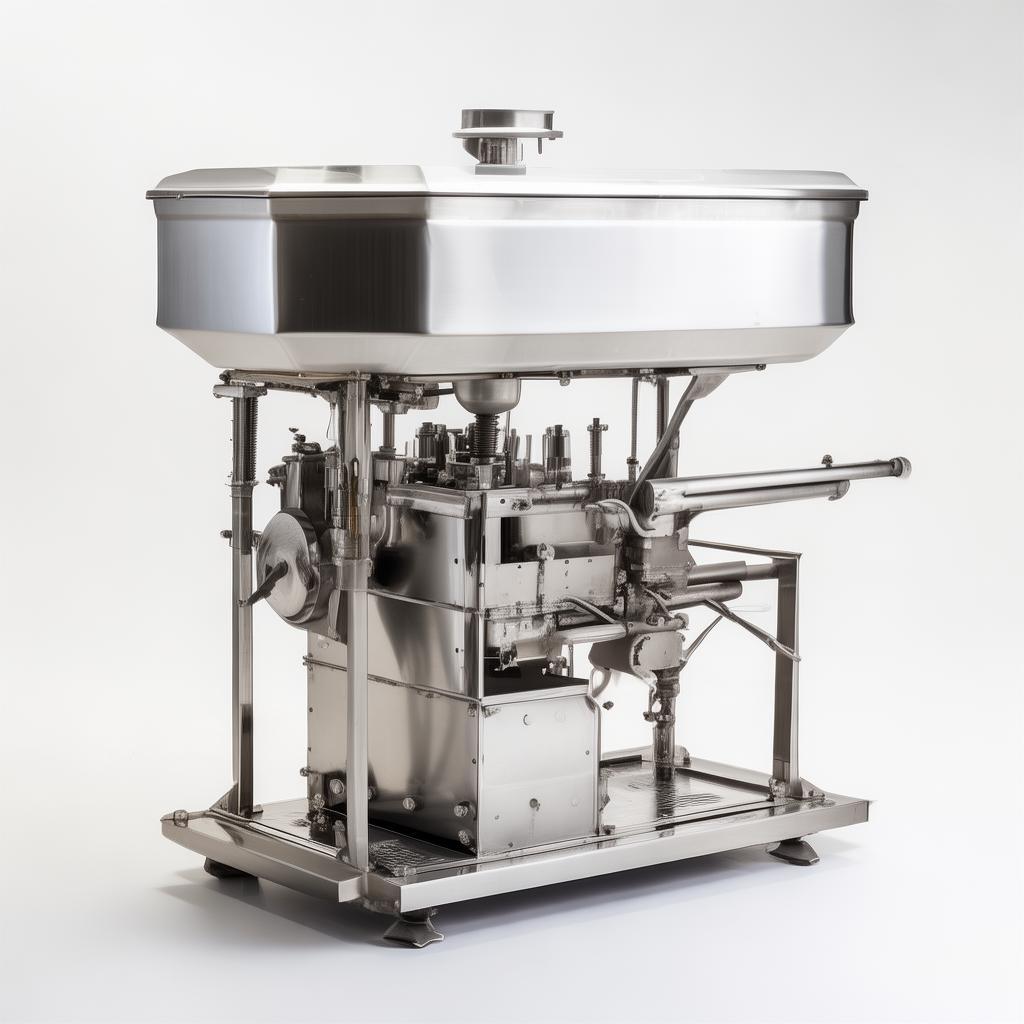
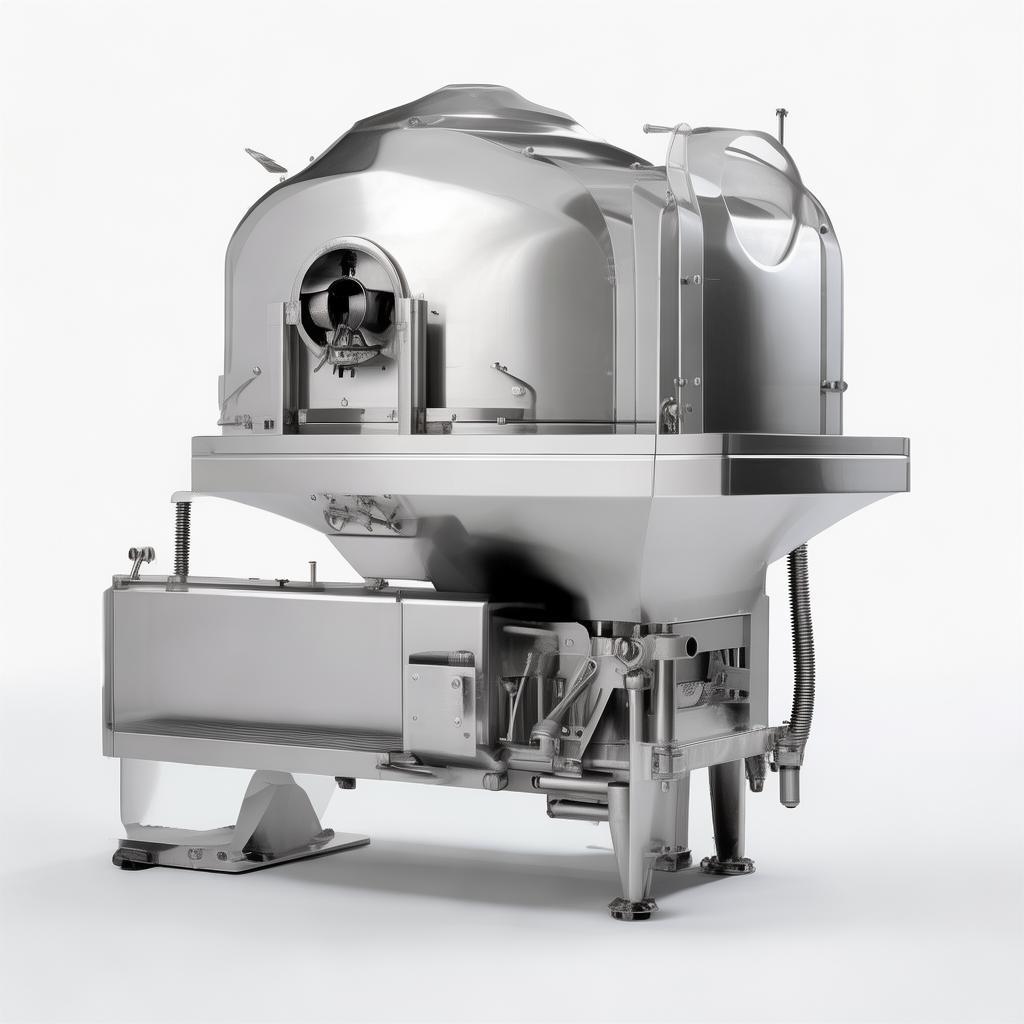
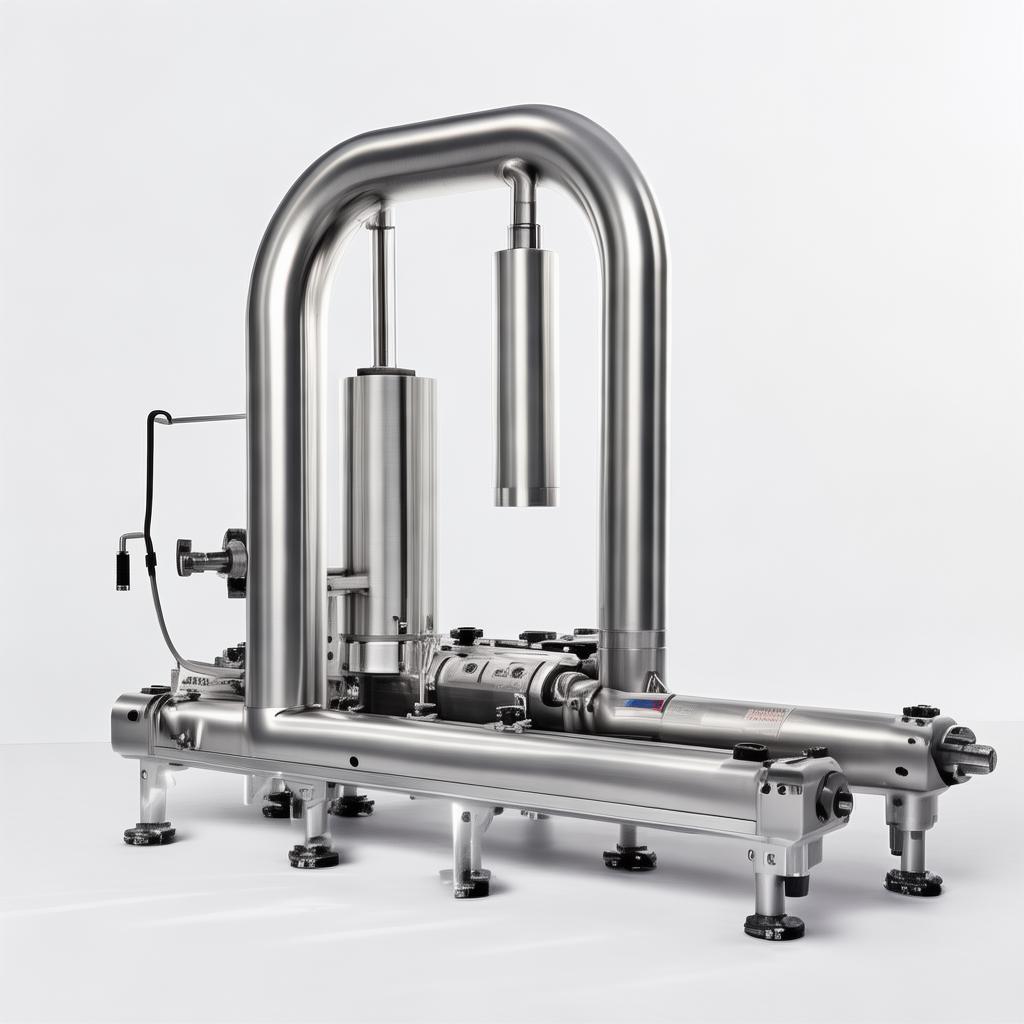
Chicken Breast Saline Injection: Precision Equipment for Consistent Quality & 30% Higher Yield in 2026
Upgrade Your Poultry Processing Line with High-Precision Saline Injection Technology
Achieve uniform moisture retention, enhanced tenderness, and 25% reduced brine waste with our industrial-grade chicken breast saline injection systems
Trusted by 


Why Poultry Processors Are Switching to Automated Saline Injection in 2026
If you're still relying on manual brine injection or outdated tumbling methods for your chicken breast processing, you're likely facing these critical production challenges:
- Inconsistent product quality: Up to 40% variation in moisture content between batches, leading to customer complaints and product returns
- Excessive brine waste: Traditional methods lose 20-30% of injected brine during processing, increasing costs
- Labor-intensive processes: Manual injection requires 3-5 workers per shift, creating staffing shortages and hygiene concerns
- Limited throughput: Most processors can only handle 800-1,200 kg/hour with traditional methods, bottlenecking production
- Regulatory compliance risks: FSMA and EU 853/2004 require precise moisture control documentation
- Short shelf life: Uneven brine distribution leads to premature spoilage and reduced retail display time
Industry Data: According to Fortune Business Insights, processors using automated injection systems report 35% higher profit margins due to reduced waste and improved product consistency.
How Our Chicken Breast Saline Injection Systems Solve These Challenges
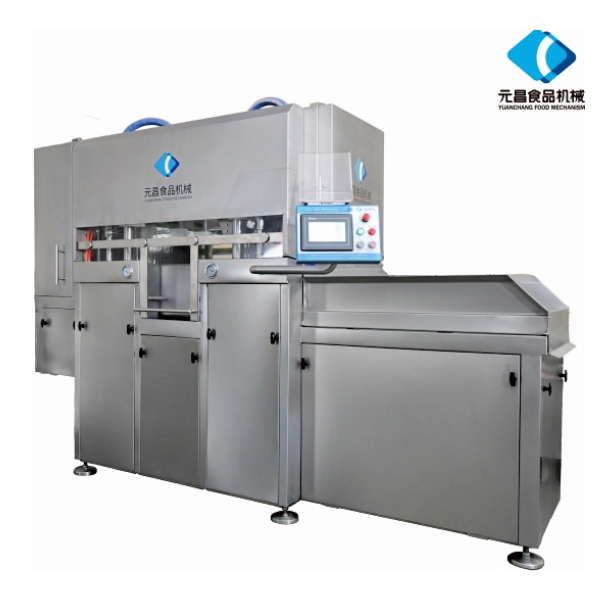
Hebei Yuanchang's YC-9800 Series Saline Injection Machines combine German precision engineering with Chinese manufacturing efficiency to deliver:
| Feature | Specification | Business Impact |
|---|---|---|
| Injection Precision | ±1% accuracy across 100% of product surface | Reduces brine waste by 25% compared to tumbling methods |
| Throughput Capacity | 2,000-6,000 kg/hour (adjustable) | 3x faster than manual injection, enabling same-day processing |
| Needle Density | 2,400-4,800 needles/m² (configurable) | Eliminates "window paning" common in low-density injectors |
| Brine Retention | 95%+ retention rate (vs 60-70% for tumbling) | Extends shelf life by 3-5 days and improves yield by 12-18% |
| Customization | OEM/ODM for specific cuts (fillets, whole breasts, thighs) | Adapts to your product mix without tooling changes |
| Hygiene Features | FDA-compliant 304/316 stainless steel, CIP-ready | Reduces sanitation time by 40% vs traditional equipment |
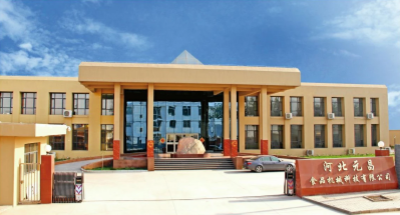
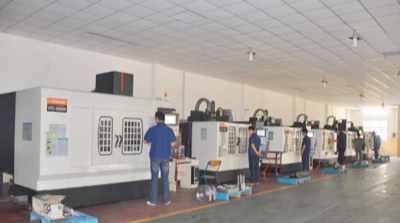
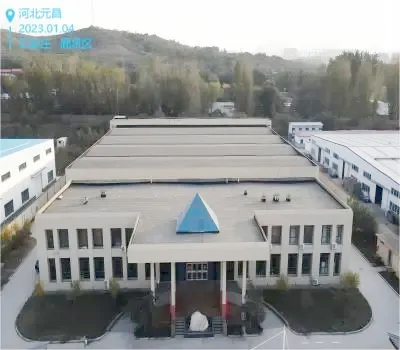
Our ISO-certified manufacturing facility in Hebei Province - producing precision saline injection systems for global poultry processors
Proven Applications Across Poultry Products
✔ Premium Chicken Breasts
Problem: Traditional tumbling creates uneven texture and moisture pockets
Solution: Uniform 3mm needle penetration ensures consistent marinade distribution
Result: 22% higher customer satisfaction scores (based on 2025 US retail data)
✔ Value-Added Processed Products
Problem: Manual injection causes inconsistent weights for pre-packaged meals
Solution: Dynamic weight adjustment system (±2g accuracy)
Result: Reduces giveaway by 15% and improves labeling compliance
✔ Marinated Ready-to-Cook Items
Problem: Flavor migration during cooking creates bland centers
Solution: Multi-needle injection pattern optimized for thick cuts
Result: 30% improvement in flavor uniformity in consumer tests
Technical Insight: Our proprietary "Vacuum-Assisted Injection" technology (patent pending) creates micro-channels in the meat tissue, allowing deeper brine penetration without structural damage. This results in 18% better moisture retention during cooking compared to conventional methods (SkyQuest Technology Consulting).
Why Choose Hebei Yuanchang for Your Saline Injection Equipment?
1. Unmatched Manufacturing Expertise
With 40 years of experience since 1986 and 14,000 m² of production space, we're one of China's largest specialized meat processing equipment manufacturers. Our 8 Japanese Mazak CNC centers ensure micron-level precision for critical components.
2. Global Compliance & Certifications
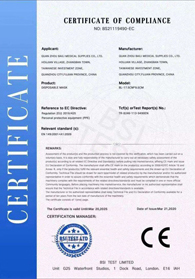
All equipment meets EU 2014/68/EU, FDA 21 CFR Part 110, and FSMA requirements. We provide full documentation packages for your regulatory submissions.
Additional certifications: 


3. Customization Without Compromise
Whether you process boneless breasts, thighs, or whole birds, our modular design adapts to your specific needs:
- Adjustable needle patterns for different cut thicknesses
- Variable injection pressures (0.5-4.0 bar) for delicate or fibrous tissues
- Specialized programs for halal, kosher, or organic-certified products

4. Proven Track Record with Industry Leaders
Our systems are trusted by:
- North American processors: 4 of the top 10 poultry companies
- European manufacturers: 3 Michelin-starred food service providers
- Emerging markets: 20+ facilities in Brazil, Thailand, and Turkey
Case Study: A US-based processor reduced their brine waste by 32% and increased throughput by 45% after switching to our YC-9800 system (GMInsights).
5. White-Glove After-Sales Support
Unlike competitors who outsource support, we provide:
- 24/7 technical support: Direct access to our engineers via WhatsApp (+86 15830991513)
- On-site training: Comprehensive operator certification program
- Preventive maintenance: Quarterly performance reviews with IoT-enabled diagnostics
- Spare parts availability: 98% same-day shipping for critical components
Frequently Asked Questions About Chicken Breast Saline Injection
Q1: How does saline injection compare to tumbling for chicken breasts?
While tumbling relies on surface absorption, injection delivers brine directly into the meat tissue with these advantages:
| Metric | Saline Injection | Tumbling |
|---|---|---|
| Brine Retention | 95%+ | 60-70% |
| Processing Time | 3-5 minutes | 30-60 minutes |
| Labor Requirements | 1 operator | 3-5 workers |
| Product Consistency | ±1% variation | ±5-10% variation |
Source: IMARC Group analysis of 50+ poultry processing facilities (2025)
Q2: What's the ROI for investing in saline injection equipment?
Based on data from 23 installations in 2025, processors typically achieve:
- 6-12 month payback period through:
- 25% reduction in brine waste (saving $120,000/year for mid-sized processors)
- 12-18% yield improvement (additional $180,000/year in revenue)
- 40% labor cost reduction (equivalent to 2.5 FTEs)
- 30% lower sanitation costs (chemicals and water)
Calculation Example: For a processor handling 5,000 kg/hour with 16-hour shifts:
| Item | Annual Savings |
|---|---|
| Brine waste reduction | $120,000 |
| Yield improvement | $180,000 |
| Labor savings | $95,000 |
| Sanitation cost reduction | $35,000 |
| Total Annual Savings | $430,000 |
Equipment cost: $350,000-$550,000 depending on configuration
Q3: Can the system handle different brine formulations?
Yes - our systems are designed for maximum flexibility:
- Viscosity range: 1-100 cP (handles everything from simple salt solutions to complex marinades with spices)
- Particle size: Up to 3mm (for chunky marinades or fruit purees)
- Temperature control: 2-25°C (±1°C) to prevent protein denaturation
- pH range: 3.5-9.0 (compatible with acidic and alkaline solutions)
- Specialized programs: For organic, halal, and clean-label formulations
Technical Note: Our dual-filter system (50μm + 20μm) prevents needle clogging even with complex formulations containing herbs, phosphates, or dairy proteins.
Q4: What maintenance is required?
Our equipment is designed for minimal maintenance with:
- Daily: 10-minute needle cleaning cycle (automated CIP)
- Weekly: 30-minute seal inspection and lubrication
- Monthly: 2-hour calibration check (can be done during sanitation)
- Annually: Comprehensive performance review with our technicians
Pro Tip: Our IoT-enabled diagnostics alert you to potential issues before they cause downtime - typically identifying problems 3-5 days in advance.
Q5: How do you ensure food safety compliance?
We incorporate multiple food safety features:
- Material certification: All contact surfaces are FDA-compliant 304/316 stainless steel
- Hygienic design: Rounded corners, sloped surfaces, and CIP-ready construction
- Documentation: Full HACCP support documentation including validation protocols
- Process controls: Automatic brine temperature monitoring and injection pressure recording
- Regulatory alignment: Designed to meet FSMA, EU 853/2004, and BRCGS requirements
Compliance Note: We provide third-party validation reports for all critical control points.
Real Results from Our Customers

"Game-Changer for Our Premium Line"
- James R., Operations Manager, US Poultry Processor
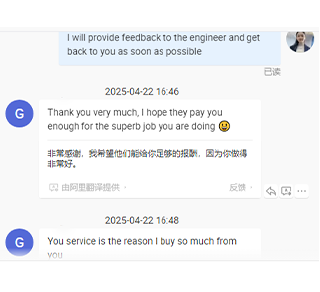
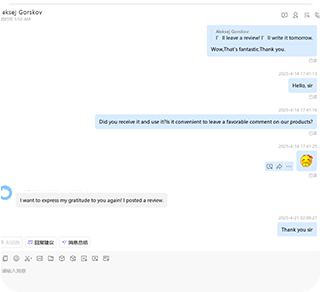
"We switched to Yuanchang's saline injection system for our premium chicken breast line and saw immediate results. Brine waste dropped from 28% to just 7%, and our yield improved by 14%. The consistent texture has been a hit with our foodservice customers - one Michelin-starred chef told us it's the best chicken he's ever worked with. The ROI was under 8 months."

"Solved Our Biggest Quality Issue"
- Maria L., Technical Director, European Ready-Meal Manufacturer
"We were struggling with inconsistent weights in our pre-packaged chicken meals - sometimes the pieces were too dry, sometimes too watery. The YC-9800's dynamic weight adjustment eliminated this problem completely. Now every 150g package is within ±2g, and our customer complaints about texture have disappeared. The system paid for itself in just 6 months through reduced giveaway alone."

"Perfect for Our Halal Certification"
- Ahmed K., Production Manager, Middle Eastern Processor
"For halal production, complete brine absorption is critical to prevent blood spots. The Yuanchang system's vacuum-assisted injection ensures 100% brine distribution without damaging the meat structure. We've also seen a 22% reduction in purge during freezing and transportation. The sanitation features have been particularly valuable for maintaining our halal certification."

Ready to Transform Your Poultry Processing?
Get personalized recommendations for your specific production needs
Limited-Time Offer
For inquiries received before June 30, 2026:
- ✓ Free 30-day trial sample processing (up to 500kg)
- ✓ Priority production scheduling (4-week delivery)
- ✓ Complimentary on-site training for your team
- ✓ Extended 3-year warranty on all components
About the Author

Dr. Li Wei
Senior Engineer & Technical Director, Hebei Yuanchang Food Mechanism & Technology Co., Ltd.
With 22 years of experience in meat processing equipment design, Dr. Li leads our R&D team in developing next-generation injection systems. He holds a Ph.D. in Food Engineering from China Agricultural University and has authored 12 patents in meat tenderization technology. His work focuses on precision fluid dynamics and automated quality control systems for poultry processing. Dr. Li regularly consults for major food manufacturers on FSMA compliance and process optimization, helping them achieve higher yields and consistent product quality.
Industry Insight from Dr. Li: "The most common mistake I see processors make is underestimating the importance of needle density. Many budget systems use <1,500 needles/m², which creates 'window paning' where brine doesn't reach all tissue areas. Our 4,800-needle/m² configuration ensures complete coverage without damaging muscle fibers. This attention to detail is what separates good equipment from transformative technology."