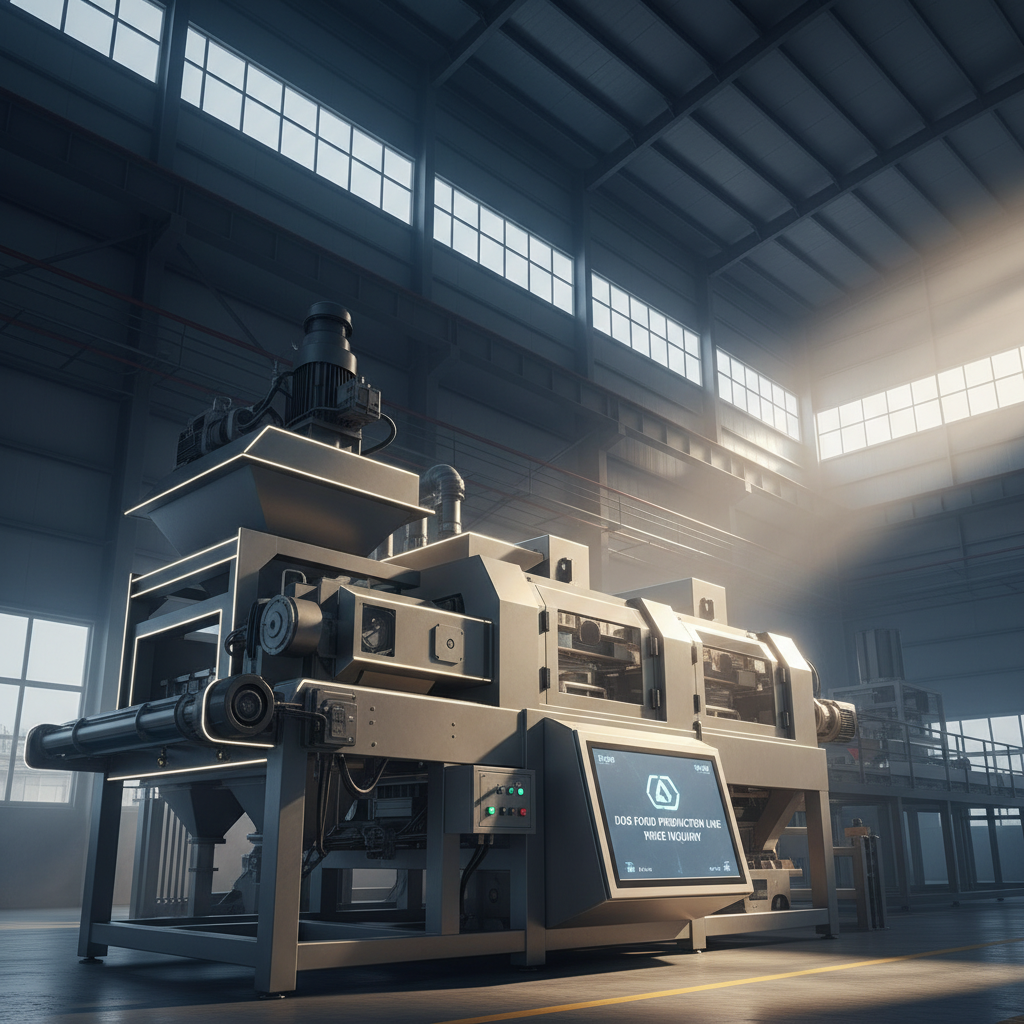
Determining the appropriate meat processing machine price is a critical financial decision for operators in the food and beverage equipment manufacturing sector. Whether you are scaling a craft sausage workshop or managing a large-scale industrial plant, the initial capital expenditure for machinery directly impacts your long-term operational margins and production throughput.
The primary challenge for buyers is that equipment costs vary wildly based on automation levels, material grades, and specific processing requirements. Many procurement managers struggle to balance the immediate purchase price against the total cost of ownership, often overlooking how energy efficiency and maintenance intervals influence the actual ROI of a meat processing line.
This analysis provides a comprehensive framework for understanding the cost drivers of meat processing equipment, from pretreatment and filling molding to auxiliary logistics. By examining the relationship between technical specifications and pricing, buyers can make informed decisions that align their budget with their actual production goals.

Core Components of Meat Equipment Pricing

The meat processing machine price is fundamentally driven by material selection and engineering complexity. In an industry where hygiene is non-negotiable, the use of high-grade stainless steel across the chassis and contact points significantly increases the base cost compared to lower-grade alternatives. The precision of the mechanical components, such as the vacuum systems in bowl cutters or the torque controllers in sausage fillers, adds a premium based on the required accuracy and durability.
Furthermore, the level of customization plays a significant role. Standardized machines designed for general meat grinding or slicing are priced lower due to economies of scale. In contrast, specialized equipment for unique filling molding or specific ripening processes requires tailored engineering, which increases the R&D allocation per unit and subsequently the final price for the buyer.
Impact of Automation on Investment Costs
Transitioning from manual or semi-automatic systems to fully automated production lines creates a steep increase in the initial meat processing machine price. Automation involves the integration of PLC (Programmable Logic Controllers), sensors, and high-torque motors that reduce human intervention. While the upfront cost is higher, the value is realized through increased consistency in product portioning and a drastic reduction in labor hours per ton of processed meat.
For example, a manual sausage twisting operation is inexpensive to implement but slow and prone to error. A high-speed twist portion hanging production line represents a significantly higher investment but allows a facility to scale its output without a proportional increase in staff. The pricing shift here is from a "tool-based" cost to a "system-based" investment.
Analyzing Pretreatment and Filling Costs
Costs are distributed differently across the various stages of production. Pretreatment equipment, such as vacuum meat tumblers, saline injectors, and frozen meat slicers, typically focuses on raw material preparation. The pricing for these machines is often tied to the volume capacity and the strength of the vacuum pump system. High-capacity vacuum mixers that can handle larger batches without compromising meat texture generally command a higher price point due to the reinforced vessel requirements.
In the filling and molding stage, the pricing focuses on precision and speed. Vacuum sausage fillers and double clippers are priced based on their ability to maintain airtight seals and precise weight control. The complexity of the flow divider in a filling line further influences the price, as the machinery must ensure a consistent distribution of the meat emulsion across multiple outlets without clogging or air pockets.
Operational Cost Drivers and ROI Analysis
When evaluating meat processing machine price, buyers must look beyond the sticker price to the operational expenditure (OPEX). Energy consumption, battery life for mobile equipment, and the cost of consumables (like clipper ties) form the total cost of ownership. For mobile solutions, the choice of power source creates a distinct trade-off in long-term costs: lithium batteries offer faster charging and less weight but higher initial costs, while lead-acid batteries are cheaper upfront but require more maintenance and longer charging cycles.
The illustrative framework above demonstrates the relative weight of different cost drivers. While the initial purchase price is the most visible, the cumulative effect of energy and maintenance over a five-year period can often equal or exceed the original investment, making the efficiency of the machine a primary value driver.
Evaluating Auxiliary Equipment Expenses
Auxiliary items are often underestimated in the total budget but are essential for cold chain logistics. Equipment like the Meat Buggy Electric Trailer is designed to move heavy loads between production and cold storage. The price of these trailers depends on the load capacity—such as the 500kg limit—and the drive system. A reinforced steel frame and high-torque motors are necessary to handle wet, low-temperature floors, which adds to the cost compared to standard warehouse carts.
The integration of these auxiliary tools reduces the risk of product spoilage by minimizing the time meat spends in non-refrigerated zones. When calculating the budget, including high-efficiency transport solutions can actually lower the overall cost per unit by reducing labor intensity and improving the stability of the cold chain logistics.
Common Procurement Risks and Hidden Costs
A common mistake in meat equipment procurement is selecting the lowest bid without analyzing the "hidden" costs of low-quality machinery. Poorly constructed machines often suffer from premature seal failure or motor burnout, leading to expensive downtime. In the food industry, a single day of lost production can outweigh the savings gained from purchasing a cheaper, less reliable machine. Additionally, non-standardized parts can lead to long lead times for repairs.
Another risk involves ignoring the installation and training costs. Complex systems, such as bacon filling and forming production lines, require professional calibration and operator training to reach the rated throughput. Buyers should ensure that the meat processing machine price includes or clearly defines the cost of commissioning and technical support to avoid budget overruns during the startup phase.
Strategic Decision Framework for Buyers
To optimize the investment, buyers should categorize their needs based on production volume and desired product quality. A low-volume artisan producer should prioritize flexibility and ease of cleaning, whereas a high-volume industrial plant must prioritize throughput and automation. The following framework compares different equipment approaches to help align budget with operational goals.
| Approach | Investment Level | Primary Driver | Best Use Case |
|---|---|---|---|
| Manual/Entry Level | Low | Low Capital Cost | Small Craft Workshops |
| Semi-Automated | Medium | Labor Reduction | Growing Mid-size Plants |
| Fully Automated | High | Maximum Throughput | Industrial Facilities |
| Customized Solution | Variable High | Product Specification | Unique Meat Products |
| Auxiliary Electric | Moderate | Logistics Efficiency | Cold Chain Logistics |
| Integrated Line | Highest | End-to-End Control | Large Scale Production |
Ultimately, the most cost-effective meat processing machine price is the one that provides the lowest cost per kilogram of finished product over the machine's lifespan. This requires a balanced approach that considers durability, energy efficiency, and the ability to scale as the business grows.
Frequently Asked Questions
The most significant factors include the grade of stainless steel used for hygiene, the level of automation (PLC and sensor integration), the processing capacity (volume), and whether the equipment is a standard model or a customized solution for specific product types.
Not necessarily. Automation is beneficial for high-volume production where labor costs are high and consistency is paramount. For low-volume, high-variety artisan production, semi-automated or manual machines may offer better flexibility and a faster return on investment.
Lithium batteries have a higher upfront cost but offer faster charging (approx. 2.5 hours) and a lighter weight. Lead-acid batteries are cheaper initially but have slower charging times (8-10 hours) and typically require more maintenance over their lifecycle.
Hidden costs typically include shipping and installation, operator training, calibration of precision components, and the ongoing cost of specialized replacement parts and energy consumption.
Vacuum systems require reinforced pressure vessels and high-performance vacuum pumps to remove air during mixing. This technology prevents oxidation and improves product texture, but it increases the machine's complexity and total price compared to non-vacuum alternatives.
Evaluate the quote based on the Total Cost of Ownership (TCO). Check for material specifications, energy ratings, included warranties, after-sales support availability, and whether the quoted throughput is based on real-world conditions or theoretical maximums.
Conclusion
Understanding the meat processing machine price requires a strategic shift from viewing equipment as a simple expense to viewing it as a long-term operational investment. By analyzing the trade-offs between automation, material quality, and auxiliary efficiency, producers can build a processing line that maximizes output while minimizing the cost per unit. The key to a successful procurement is aligning the technical capabilities of the machinery with the actual production volume and quality standards of the business.
For those evaluating specific equipment configurations for pretreatment, filling, or cold chain logistics, detailed technical specifications can be reviewed at www.ycmeatmech.com to ensure the chosen solution meets industrial requirements.