


Understanding Meat Grinder Machine Price: Key Factors, Global Impact & Future Trends
Understanding Meat Grinder Machine Price: What You Need to Know
When it comes to processing meat — whether at a commercial slaughterhouse or your neighborhood butcher’s shop — the equipment you choose matters. Knowing about meat grinder machine price isn’t just about dollars and cents. It actually reflects a balance between durability, efficiency, and suitability to your needs. Oddly enough, this balance can impact food safety, business profitability, and even global food supply chains.
Globally, demand for processed meat continues to rise. According to the Food and Agriculture Organization (FAO), worldwide meat consumption grew by over 20% in the last decade. So, understanding what influences the cost of meat grinder machines helps stakeholders from small-scale farmers to multinational food processors make informed choices.
...
Why Does Meat Grinder Machine Price Matter Globally?
The meat processing industry is foundational in meeting nutritional needs worldwide. However, with rising labor costs and consumer expectations for quality and hygiene, mechanization has become essential. The financial investment required to buy proper meat grinders can be a barrier — especially in developing regions.
To put it in perspective, as per a 2023 report from the International Trade Centre, the global market for meat processing machinery is projected to exceed $5 billion by 2027. Yet, the upfront price of equipment like grinders often influences whether small and medium enterprises upgrade their facilities, affecting overall industry productivity.
Thus, understanding the meat grinder machine price is crucial. It’s not just a static number: it factors into the economics of food safety, job creation, and supply chain resilience.
What Is Meat Grinder Machine Price?
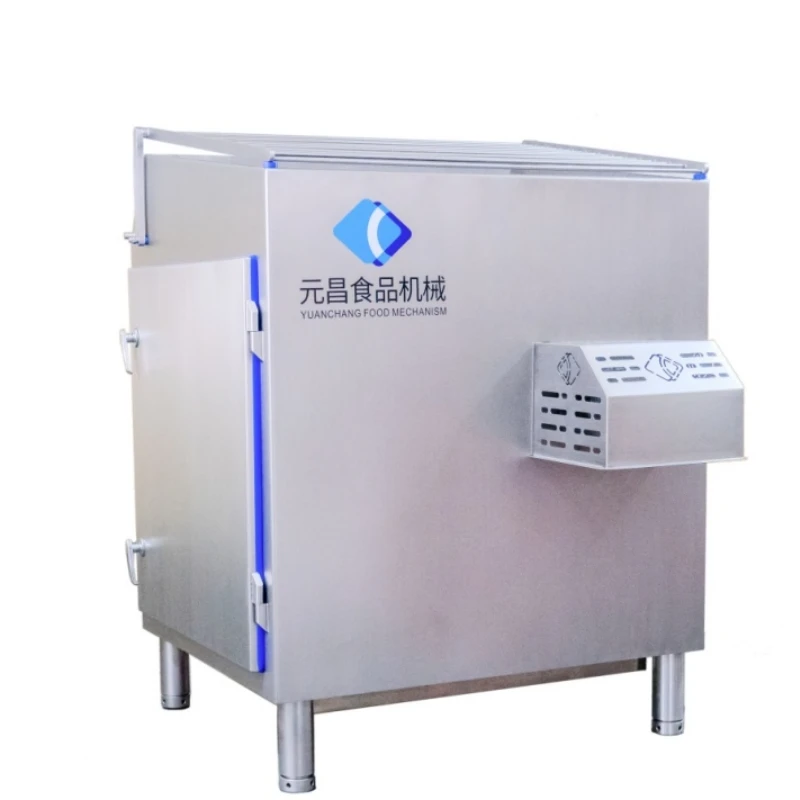
Simply put, meat grinder machine price refers to the cost you pay to buy equipment designed to mince or grind meat. This can range from small, manual units for household use to large industrial grinders handling tons per hour in meat processing plants.
The price connects directly to machine features like capacity, motor power, build materials, and automation. Manufacturing technology and brand also weigh heavily. These grinders are vital to modern food industries as they standardize product texture and improve safety — mixing meat with spices or additives hygienically and consistently.
Key Factors Influencing Meat Grinder Machine Price
1. Durability and Build Quality
Stainless steel frames and food-grade components typically increase the cost but guarantee longevity and compliance with hygiene standards. It’s the difference between a grinder lasting a handful of months versus several years.
2. Motor Power and Capacity
Larger motors mean higher capacity — crucial for industrial kitchens but less relevant for small users. Generally, the bigger the throughput (measured in kg/hr), the higher the price.
3. Automation Levels
Basic grinders might be manual or semi-automatic, whereas advanced ones integrate programmable logic controllers (PLCs), touch screens, and safety features — pushing prices up but easing operation.
4. Scalability and Customization
Some vendors offer modular designs or tailored options to suit specific processing lines or meat types (poultry, beef, seafood), influencing price ranges significantly.
5. Brand & Certification
Reputable brands with ISO or CE certifications command premium prices. These certifications give buyers peace of mind about quality and safety standards.
Typical Product Specifications of Meat Grinder Machines
| Specification | Range | Notes |
|---|---|---|
| Capacity | 10-400 kg/hr | Higher capacity for industrial use |
| Motor Power | 0.5 - 5 HP | Varies by machine size |
| Material | Stainless Steel | Food-grade, corrosion resistant |
| Automation | Manual to Fully Automated | Options affect price considerably |
Comparing Top Vendors by Meat Grinder Machine Price and Features
| Vendor | Price Range ($) | Capacity (kg/hr) | Special Features |
|---|---|---|---|
| XYZ Mech Solutions | 500 - 5000 | 20 - 300 | Modular design, CE certified |
| Global Grinder Co. | 900 - 7000 | 50 - 400 | PLC control, stainless steel only |
| MeatPro Tech | 300 - 3500 | 10 - 250 | Budget-friendly, manual & semi-auto |
Global Applications & Use Cases of Meat Grinder Machines
In practice, grinders show up in surprising places. For instance, in post-disaster relief operations, NGOs utilize portable meat grinders to process protein supplies quickly and hygienically, helping sustain displaced communities. Similarly, large meatpacking plants in Europe and North America rely on industrial grinders to meet high production volumes without sacrificing quality.
In developing regions — think parts of Southeast Asia and Africa — affordable grinders open economic opportunities for smallholders and local butchers eager to upscale production and reduce waste. These machines also contribute to food security by enabling safer, more consistent meat products.
Interestingly, some artisanal food producers are scaling small grinders to craft niche meat products, tapping into growing consumer demand for organic or heritage breed meats.
Advantages and Long-Term Value of Investing Wisely
Choosing the right meat grinder pays off beyond initial costs. Efficient machines cut labor time and improve hygiene, lowering risks of contamination—a serious concern flagged by the WHO in food safety standards.
Moreover, durable grinders reduce downtime and repair frequency, saving money long term. The social impact is palpable too: better equipment upholds worker safety and dignity, reinforcing trust with customers and regulators alike.
On a broader scale, sustainable manufacturing practices and energy-efficient motors reduce environmental footprint — a growing concern echoed by ISO standards on industrial machinery emissions.
Future Trends & Innovations Affecting Meat Grinder Machine Price
The technology is evolving. For example, automation with AI-powered diagnostics is entering the scene, allowing real-time maintenance alerts. This can affect machine cost but ultimately protects investment.
Green energy integration is also a hot topic. Solar-powered grinders or those optimized for low electricity consumption are gaining traction in remote or off-grid locations.
Materials science advancements are leading to lighter but tougher components, improving machine portability without sacrificing strength. Plus, digital ordering and remote support services are gradually becoming standard, shifting how vendors price machines.
Challenges & Solutions
One persistent challenge is upfront investment cost, especially for small businesses. Financing options or leasing programs are increasingly offered to ease accessibility. Another issue is maintenance expertise — vendors now focus on user-friendly designs and virtual training to overcome this.
Finally, inconsistent energy supplies in some regions can disrupt operations, encouraging integration of backup power solutions or manual override features.
FAQ: Frequently Asked Questions About Meat Grinder Machine Price
- Q: What factors drive the price differences between meat grinder machines?
A: Key factors include capacity, motor power, build materials, automation level, and brand reputation. More automation and higher processing rates generally mean higher prices. - Q: Are more expensive meat grinders always better?
A: Not necessarily. The best choice depends on your operational needs. Higher-priced models often offer durability and advanced features but might be overkill for small-scale use. - Q: How can small businesses manage the cost of these machines?
A: Leasing, financing plans, or choosing modular and semi-automatic models can reduce upfront expenses while still improving productivity. - Q: What certifications should I look for when purchasing?
A: ISO 9001 for quality management and CE marking for European safety standards are good benchmarks. They ensure the grinder meets essential quality and safety criteria. - Q: Can electric meat grinders work in areas with unreliable electricity?
A: Some grinders include manual backup options or can be paired with battery/solar systems, making them suitable for uneven power situations.
Conclusion
So, what’s the takeaway on meat grinder machine price? It’s not just a number; it embodies durability, performance, safety, and future-readiness. Whether you run a small butcher shop or manage large-scale food production, understanding these costs empowers smarter decisions leading to operational efficiency and long-term value.
If you want to explore options tailored to your needs, visit our website: https://www.ycmeatmech.com. There, you’ll find detailed info, expert advice, and up-to-date machine prices to guide your next investment.
Thanks for reading — thinking through these details really helps when investing in your equipment.
1. Food and Agriculture Organization (FAO), Meat consumption trends, 2023
2. International Trade Centre, Meat processing machinery market outlook, 2023
3. World Health Organization, Food Safety Fact Sheet, 2022
-
Efficient Meat Cubing Machine for Industrial Meat ProcessingNewsDec.09,2025
-
Meat Cube Cutter Machine – Efficient and Precise Meat Processing EquipmentNewsDec.09,2025
-
Machine Used To Cut Meat | High Performance Meat Cutting Machines for IndustryNewsDec.09,2025
-
Machine That Cuts Meat – Efficient, Durable Meat Processing Solutions for B2BNewsDec.09,2025
-
Machine Meat Cutter: Global Importance, Benefits & Future Trends ExplainedNewsDec.08,2025
-
Durable Machine Cut Meat Slicer for Industrial Efficiency | YC Meat MechNewsDec.08,2025