


Reliable Professional Meat Grinder Machine for Industrial Use
Professional Meat Grinder Machine: A Reliable Workhorse in the Industrial Kitchen
Having spent over a decade in the industrial equipment sector, I’ve handled my fair share of kitchen machinery — and I must say, the professional meat grinder machine is one of those underrated champions that never quite gets the spotlight it deserves.
Whether you’re running a large-scale butcher shop, meat processing plant, or even a busy foodservice operation, having a robust meat grinder that can handle hours of continuous use without overheating or jamming is absolutely vital. Frankly, it’s one of those tools where you really notice the quality when it’s missing — dull blades, inconsistent feeds, or worse, breakdowns mid-shift can bring a whole operation to a halt. Of course, oddly enough, many folks don’t think much about grinders until they run into trouble.
In real terms, professional-grade grinders go beyond just raw power. They combine engineered designs with stainless steel assemblies built to last and meet strict hygiene standards. The ones I’ve come across – and I’ve tested plenty – typically come with variable speed controls and parts designed for easy disassembly, crucial for daily cleaning routines (because, you know, food safety is never optional).
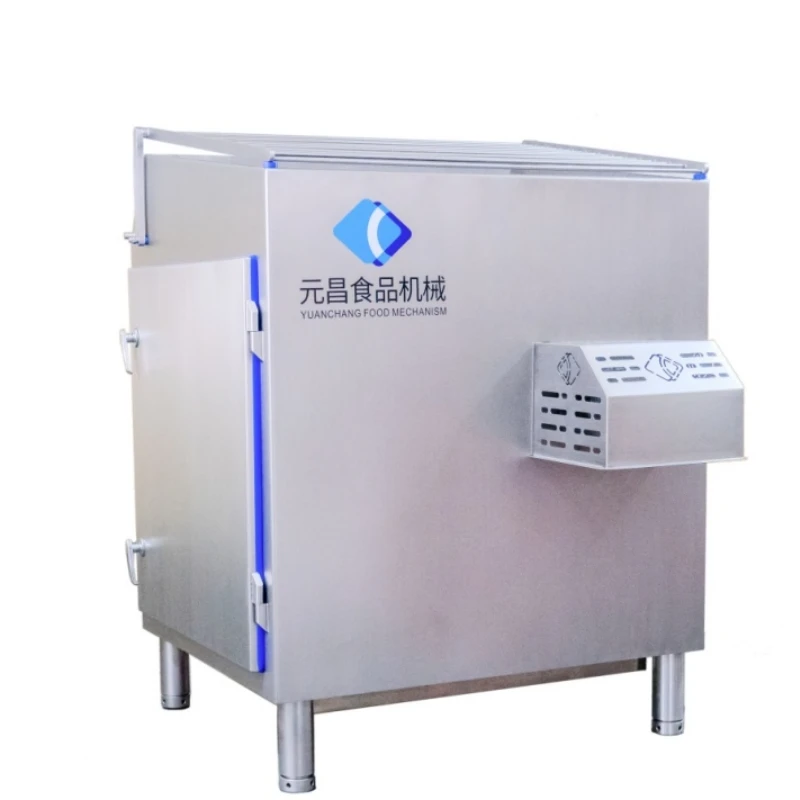
Here’s a quick snapshot of a typical professional grinder model from YC Meat Machinery, the kind I’ve seen perform strongly on the floor:
| Specification | Details |
|---|---|
| Motor Power | 2.2 kW (3 HP) |
| Capacity | 250 kg/hour |
| Material | Food-grade stainless steel |
| Feed Tube Diameter | 100 mm |
| Safety Features | Overload protection, emergency stop button |
| Weight | 55 kg |
Picking the right brand isn’t just about specs. I’ve seen some suppliers skimp on after-sales service or replacement parts, and it’s a pain when you're up against deadlines. YC Meat Machinery, for instance, has impressed me with their customer responsiveness and genuine focus on industrial-grade reliability. Here’s a brief comparison I whipped up based on industry-standard features and user feedback:
| Feature | YC Meat Machinery | Competitor A | Competitor B |
|---|---|---|---|
| Warranty | 24 months | 12 months | 18 months |
| After-sales support | 24/7 responsive team | Business hours only | Email only |
| Replacement parts availability | In stock, fast shipping | Limited | Varies widely |
| Build quality | Heavy-duty stainless steel | Mixed materials | Mostly aluminum alloys |
| Price Range | $$$ (mid to high) | $$ (budget) | $$$ |
You know, it’s funny — a friend of mine manages a meat processing company and swears by this particular professional grinder. He mentioned it’s saved their team countless hours during peak seasons compared to an older model they used that kept jamming under heavy loads. Their staff especially like how quick it is to clean at the end of shifts. When operators feel confident in their tools, productivity goes up, and frankly, stress goes down.
Another interesting trend I’ve noticed lately is a push towards grinders that can handle multiple cuts and grinds without swapping too many pieces. Some models now offer modular plates for different coarseness, or even attachments for sausage stuffing. It’s a small but significant convenience, especially when the kitchen pace demands flexibility.
In the end, buying a professional meat grinder machine is an investment. It’s not just the price tag but the hours of uptime, ease of maintenance, and how well it integrates into your workflow that really count. If you’re in the market, I’d suggest giving professional meat grinder machine options from trusted vendors a serious look.
It’s equipment that quietly works behind the scenes to keep the grind moving — literally and figuratively.
References:
- Industrial Meat Grinder Specifications, YC Meat Machinery Product Docs, 2024
- User Reviews and Feedback, Meat Industry Forums, 2023–2024
- Food Safety Standards for Meat Processing Equipment, FDA Guidelines, 2024
-
Efficient Meat Cubing Machine for Industrial Meat ProcessingNewsDec.09,2025
-
Meat Cube Cutter Machine – Efficient and Precise Meat Processing EquipmentNewsDec.09,2025
-
Machine Used To Cut Meat | High Performance Meat Cutting Machines for IndustryNewsDec.09,2025
-
Machine That Cuts Meat – Efficient, Durable Meat Processing Solutions for B2BNewsDec.09,2025
-
Machine Meat Cutter: Global Importance, Benefits & Future Trends ExplainedNewsDec.08,2025
-
Durable Machine Cut Meat Slicer for Industrial Efficiency | YC Meat MechNewsDec.08,2025