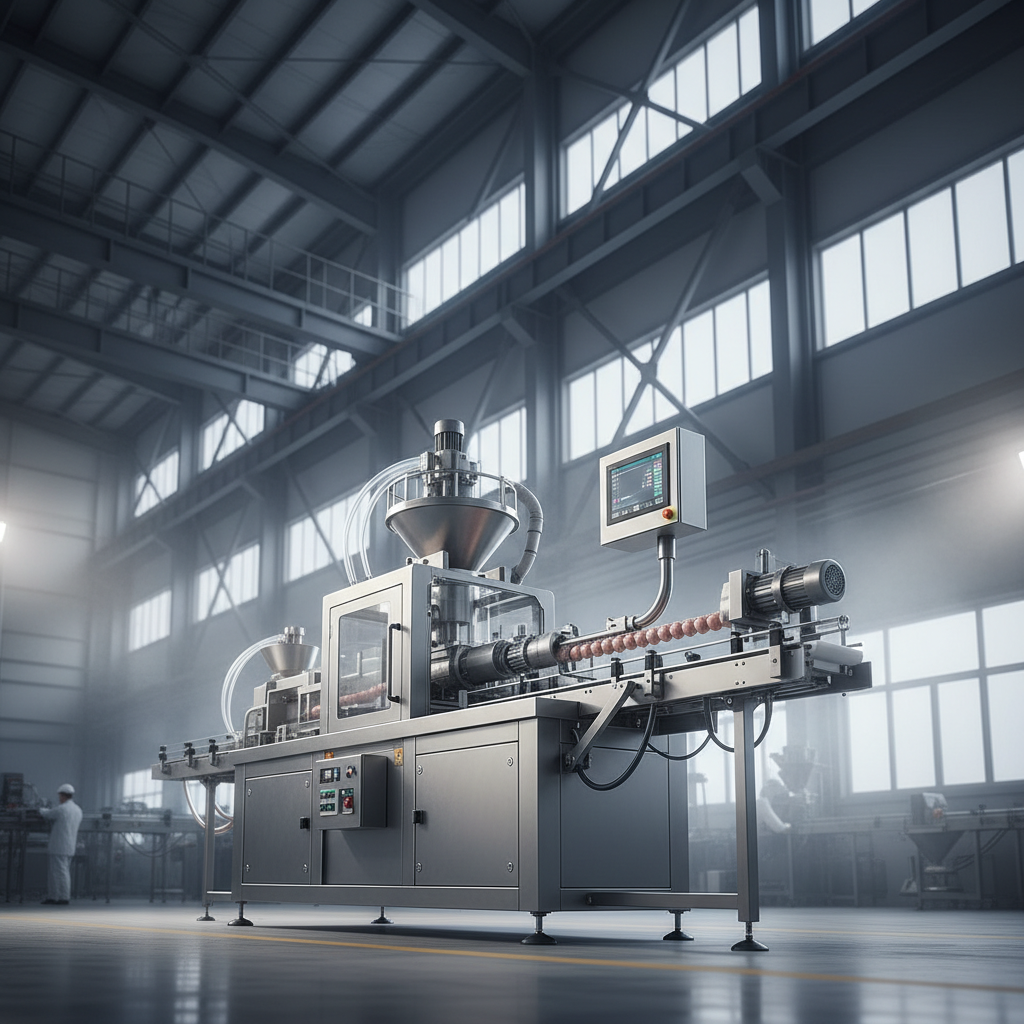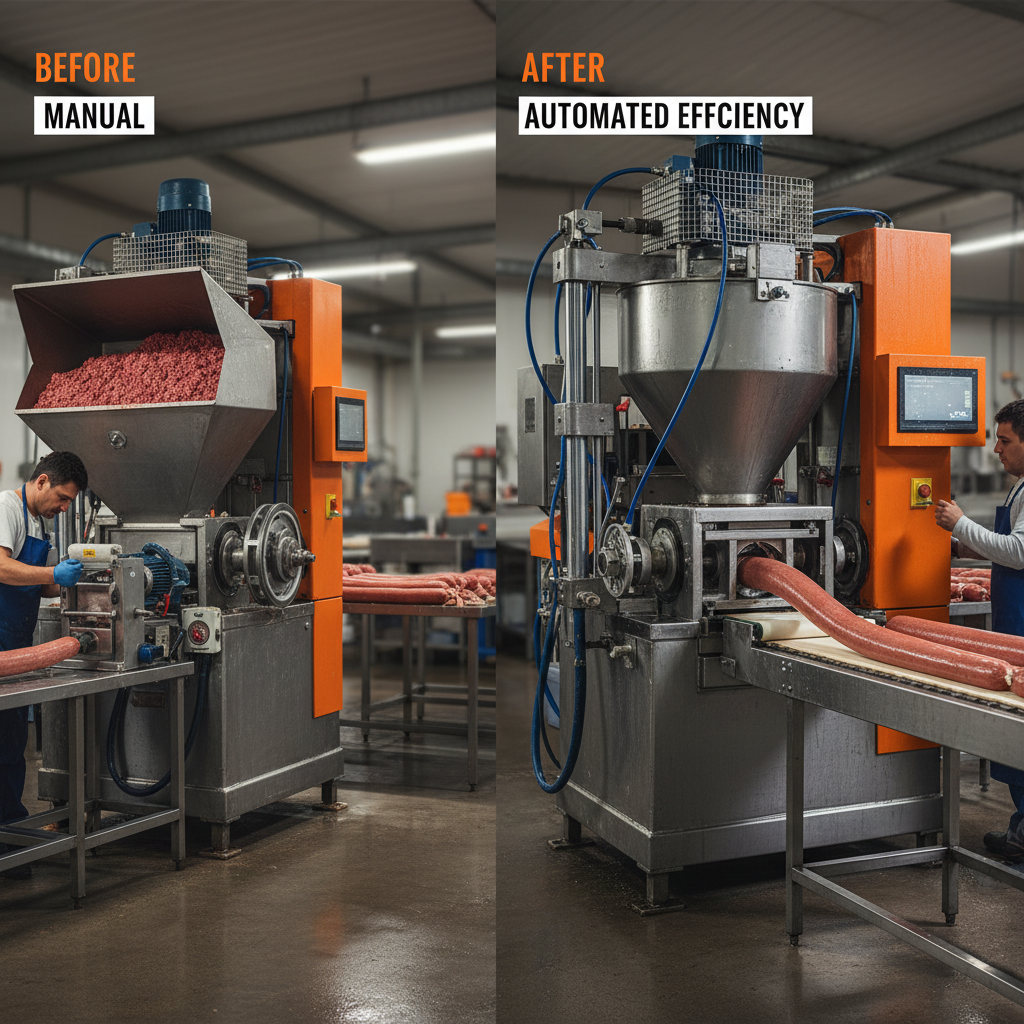
In the industrial meat processing sector, optimizing the balance between operational throughput and capital expenditure is a constant challenge for procurement managers. When evaluating the meat slicer machine price, it is critical to look beyond the initial invoice and analyze the total cost of ownership, including energy efficiency, material durability, and long-term maintenance requirements.
The complexity of pricing in professional slicing and processing equipment often stems from the variation in automation levels and the quality of food-grade materials used. As facilities move toward higher hygiene standards and integrated production lines, the demand for precision-engineered machinery that reduces product waste has significantly shifted the market value of these systems.
This technical analysis explores the primary drivers of cost in meat processing machinery and provides a framework for evaluating equipment efficiency. We will examine how integrated systems, such as those found in high-performance ripening and smoking lines, impact the overall economic viability of a processing facility.


The pricing of industrial slicing and processing equipment is primarily driven by the precision of the cutting mechanism and the grade of the motor assembly. High-torque motors and programmable logic controllers (PLCs) from recognized manufacturers like Omron or Mitsubishi increase the upfront cost but reduce the frequency of operational failures.
Furthermore, the capacity for handling different meat textures—ranging from fresh to frozen—requires specialized blade metallurgy and temperature-controlled housing, which further differentiates entry-level machines from professional-grade industrial solutions.
In the food industry, the choice of materials is not merely a matter of durability but a strict requirement for regulatory compliance. The use of SUS304 stainless steel across the entire chassis and contact surfaces is the industry standard for preventing corrosion and ensuring that the equipment can withstand aggressive chemical cleaning agents without degrading.
The engineering challenge lies in balancing structural rigidity with the ease of disassembly. Equipment that features smooth, weld-free interior surfaces reduces the risk of bacterial accumulation, which is a critical factor for facilities adhering to HACCP or similar food safety protocols.
When buyers analyze the meat slicer machine price, they are often paying for the quality of these finishes. A machine constructed from lower-grade alloys may appear cost-effective initially but often leads to higher long-term costs due to premature oxidation and increased sanitation downtime.
Modern processing equipment has evolved from simple mechanical actuators to complex automated systems. The integration of man-machine interface (MMI) screens allows operators to set precise parameters for thickness, speed, and timing, which directly impacts the consistency of the final product.
This level of automation reduces the dependency on highly skilled labor and minimizes human error. By implementing pre-set production cycles, facilities can achieve repeatable results across different shifts, which is essential for maintaining brand consistency in B2B meat supply chains.
Scaling production requires more than just adding more machines; it requires an analysis of the bottleneck in the workflow. Whether it is the slicing speed, the filling molding process, or the ripening time, the equipment must be matched to the throughput of the slowest stage to avoid costly idle time.
From an engineering perspective, the efficiency of a machine is measured by its output per kilowatt-hour and its ability to maintain precision under continuous load. This relative assessment helps buyers determine if a higher initial investment in a premium model is justified by the increase in hourly yield.
Equipment cannot be viewed in isolation. A slicing machine's value is amplified when it is perfectly integrated with downstream processes like ripening and smoking. For example, the Smoking House ZXL incorporates a specialized circulating fan system that maintains an air cycle of 14 times per minute, ensuring that the precision-cut meats are smoked uniformly without cold spots.
By aligning the capacity of the slicing stage with the throughput of the smokehouse—ranging from 250kg to 1000kg per batch in the ZXL series—operators can optimize the flow of materials and reduce the time products spend in transitional storage, thereby enhancing overall freshness and quality.
The industry is moving toward "smart factories" where equipment communicates in real-time. Future iterations of meat processing hardware will likely integrate IoT sensors to monitor blade wear and motor vibration, enabling predictive maintenance that prevents unplanned downtime.
Another significant trend is the focus on energy recovery. Advanced smokehouses are implementing improved heat exchange systems to reduce the power required to reach target temperatures, reflecting a broader industry push toward sustainability and lower operational costs.
As consumer demand for artisanal, smoked products grows, the flexibility of the equipment—such as the ability to run small experimental batches via mini-smoker modules—will become a key competitive advantage for manufacturers.
Selecting the right machinery requires a weighted analysis of production volume, product diversity, and budget constraints. A buyer focusing on a single high-volume product should prioritize duty-cycle ratings and automation, while a boutique processor should prioritize versatility and ease of cleaning.
The following matrix provides a comparative look at different configuration profiles. It is important to note that these represent technical profiles rather than specific model numbers, serving as a guide for evaluating the relative capabilities of various industrial setups.
Ultimately, the most cost-effective solution is the one that maximizes the yield per unit of input while maintaining strict adherence to hygiene and safety standards.
| Configuration Profile | Primary Specification | Operating Factor | Recommended Use Case |
|---|---|---|---|
| Basic Configuration | Manual Feed / Std Steel | Low-to-Mid Duty | Small Commercial Kitchens |
| Standard Configuration | Semi-Auto / SUS304 | Medium Duty | Regional Meat Processors |
| High-Duty Configuration | Auto-Feed / Reinforced | Continuous Operation | Industrial Slicing Plants |
| Precision Configuration | PLC Controlled / Micron Adj. | High Accuracy | Specialty Charcuterie |
| Automated Configuration | Full Line Integration | Max Throughput | Large Scale Export Facilities |
| Industry Baseline | Standard Regulatory Grade | Variable Duty | General Purpose Processing |
The price is primarily influenced by the grade of stainless steel used, the precision of the blade assembly, and the level of automation. High-end machines utilize advanced PLCs and MMI screens for precise control over slice thickness and speed, which increases the initial cost but significantly lowers long-term labor costs and product waste.
SUS304 is highly resistant to oxidation and corrosion, which is essential in environments where salt, acids, and moisture are prevalent. Using this material prevents structural degradation and ensures the equipment remains hygienic, reducing the risk of contamination and extending the overall service life of the machine compared to lower-grade alloys.
Yes, the ZXL series is designed for flexibility with capacities ranging from 250kg to 1000kg per batch. To maximize efficiency, the output of the slicing and pretreatment stage should be synchronized with the smokehouse capacity to ensure a continuous workflow without creating bottlenecks or overloading the smoking chamber.
Regular blade sharpening and calibration of the PLC parameters are essential. Additionally, checking the tension of the drive belts and ensuring the lubrication of moving parts according to the manufacturer's schedule prevents mechanical drift, ensuring that the slice thickness remains consistent across high-volume production runs.
While automated equipment requires a higher initial investment, the ROI is realized through increased throughput, reduced manpower, and minimal product giveaway (waste). The ability to precisely control variables via a PLC means fewer rejected batches and a more consistent product, which is critical for high-margin B2B contracts.
Look for PLCs from reputable brands like Mitsubishi or Omron, which offer high reliability and extensive support. The PLC should support real-time parameter adjustments and be integrated with a user-friendly MMI screen, allowing operators to quickly switch between different product recipes without extensive reconfiguration.
Evaluating the cost of meat processing equipment requires a transition from a "purchase price" mindset to a "lifecycle value" framework. The integration of high-grade materials like SUS304 and precision control systems from leaders like ABB and Mitsubishi not only ensures compliance with global hygiene standards but also optimizes the operational cost per kilogram of processed meat.
For facilities seeking a comprehensive solution, aligning slicing precision with advanced ripening and smoking technology—such as the meat slicer machine price and the ZXL smokehouse—creates a synergistic workflow that minimizes waste and maximizes product quality. The ultimate goal is to build a resilient production line capable of adapting to shifting market demands while maintaining industrial-grade reliability.