


Frozen Meat Dicing Machine – Efficient & Safe Meat Processing Solutions
Why the Frozen Meat Dicing Machine Matters in Today’s World
Frozen meat dicing machines—at first glance, they might just seem like a fancy piece of industrial equipment. But if you pause and think about the global food industry, the swell in demand for processed meats, and the complexity of logistics behind frozen products, the full picture emerges. These machines don’t just chop frozen blocks of meat; they’re a crucial link in a vast chain that ensures meat gets to your table quickly, safely, and in a form that suits everything from fast food to gourmet recipes.
Understanding frozen meat dicing technology means appreciating a slice of global food security and industrial efficiency. As the world’s population edges toward 8 billion and protein demands surge, these machines contribute to minimizing waste, maintaining hygiene standards, and reducing preparation times. So, why does it matter? Because meat today is as much about precision and speed as it is about flavor and nutrition.
Global Relevance: The Backbone of Modern Meat Processing
Globally, the frozen meat sector is a powerhouse worth over $150 billion, according to ISO and industry trade bodies. Countries from Brazil to Germany, and China to the USA, all rely heavily on high-efficiency meat dicing machinery to keep up with market demands. Oddly enough, one of the biggest challenges remains maintaining quality while scaling production under stringent food safety regulations.
Meat processors face logistic hurdles, including preserving cold chains and optimizing throughput without overloading workers with repetitive tasks—and this is where the frozen meat dicing machine shines. It automates what used to be a labor-intensive process, reducing contamination risks while boosting output. In humanitarian contexts, these machines allow rapid preparation of protein supplies for disaster relief or remote camps—showing their unexpected but vital role outside factories.
What Exactly Is a Frozen Meat Dicing Machine?
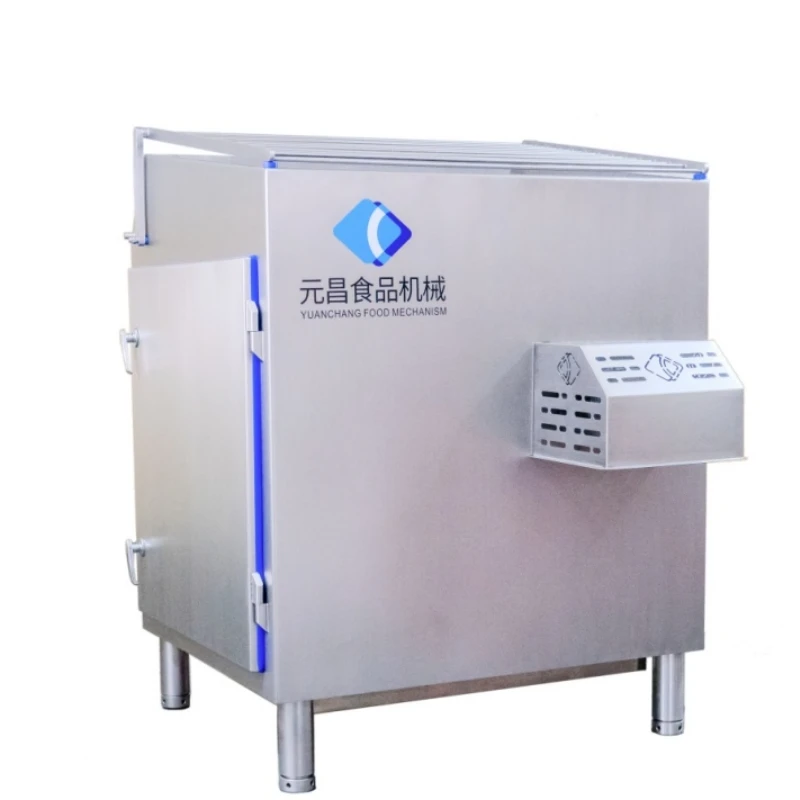
Simply put, it’s an industrial device engineered to cut large blocks of frozen meat into uniform cubes or strips. Unlike conventional meat cutters designed for fresh or chilled meat, this machine handles frozen, often rock-hard blocks, using specialized blades and conveyor systems that minimize thawing during processing.
This tech links to modern automation in food production as well as humanitarian efforts—such as efficiently supplying diced meat in prepackaged ration programs. The combination of precision cutting and cold chain preservation means better shelf life, less waste, and ultimately more consistent products for consumers.
Key Components and Features to Watch For
Durability & Material Quality
Since the machine continuously operates at sub-zero temperatures and with hard frozen blocks, parts and blades need to resist wear. Stainless steel frames with food-grade coatings are common. I’ve noticed that heavier-duty models often last at least 5–7 years under industrial use.
Scalability & Throughput
Depending on factory size, throughput can vary from a few hundred kilograms per hour to multiple tons. Vendors offer different capacities, which directly impact project ROI. Sometimes smaller processors opt for modular machines—scaling up as demand grows.
Cost Efficiency & Maintenance
At first glance, these machines are a considerable investment. But they drastically reduce labor costs and product loss over time. Easy-to-clean designs and quick blade replacement mechanisms add to long-term savings.
Safety & Hygiene Features
Meat safety is paramount. Many machines now integrate automatic shutoffs and enclosed cutting chambers, reducing contamination risk. Sanitary designs allow rapid washdowns that comply with international FDA or EFSA regulations.
Frozen Meat Dicing Machines Across the Globe: Use Cases and Industries
In Europe, large meat packers use these machines for ready-to-cook products, meeting consumer preference for convenience without sacrificing quality. South American exporters rely on them to prep meat for frozen shipments, keeping export standards high.
Oddly enough, NGOs supporting disaster relief also invest in compact frozen meat dicing units to prepare meal kits rapidly. The Middle East’s growing hospitality industry uses them for intricate kebab or stew meat preparations, linking traditional cuisine with modern tech.
Mini Takeaway:
Frozen meat dicing machines are versatile assets beyond factories—they adapt to localized needs and help diverse sectors meet quality and efficiency standards.
Advantages & Long-Term Value of Frozen Meat Dicing Technology
- Reduced Waste: Uniform dicing allows for precise packaging and less spillage.
- Labor Savings: Automated machines remove repetitive manual cutting, reducing fatigue and injury risk.
- Consistency: Consumers get uniform product size every time, ensuring cooking times and portioning remain predictable.
- Sustainability: Energy-efficient motors and better meat utilization tie into reducing the carbon footprint within meat processing.
- Enhanced Food Safety: Minimizing human touch points during cutting helps avoid contamination and recalls.
The Future: Innovations in Frozen Meat Dicing Machines
Digital transformation is quietly changing frozen meat processing. Many manufacturers now supply machines with IoT-integrated sensors, allowing real-time monitoring of blade sharpness, temperature, and throughput. This data feeds predictive maintenance systems, preventing costly downtime.
On the environmental front, greener motors and optimized power consumption designs are becoming the norm. Some R&D labs are even experimenting with cutting surfaces treated with antimicrobial coatings to further enhance hygiene.
Finally, modular designs that allow easy upgrading without full replacement keep manufacturers competitive and help processors respond to changing market demands efficiently.
Challenges and Clever Solutions
Despite the benefits, frozen meat dicing machines do face challenges. Blade wear is unavoidable but cycling blade materials like tungsten carbide or ceramic composites extend lifespan. Additionally, thorough cleaning protocols need to fit tight production schedules—a tricky balance where automation in washing stations helps a lot.
Integrating machinery into existing production lines without disruption often requires custom engineering, but vendors now offer more flexible sizing and controller options to address this.
Frozen Meat Dicing Machine Specifications at a Glance
| Specification | Typical Value | Notes |
|---|---|---|
| Cutting Capacity | 500–3000 kg/hour | Varies by model and blade size |
| Blade Material | Hardened stainless steel, tungsten carbide | Durability vs cost tradeoff |
| Operating Temperature | -25°C to -5°C | Maintains meat frozen during cutting |
| Motor Power | 5 kW to 20 kW | Depends on capacity and automation level |
| Sanitary Design | IP69K Certified | Ensures full washdown capability |
Comparing Top Vendors of Frozen Meat Dicing Machines
| Vendor | Capacity (kg/hr) | Automation Level | Warranty | Price Range (approx.) |
|---|---|---|---|---|
| MeatTech Pro | 800–2500 | Semi-Automatic | 2 years | $40,000–$70,000 |
| FrostCut Systems | 1500–3000 | Fully Automatic | 3 years | $70,000–$120,000 |
| ArcticMeat Tech | 600–1800 | Manual + Automation Hybrid | 1.5 years | $35,000–$60,000 |
Frequently Asked Questions About Frozen Meat Dicing Machines
1. How does a frozen meat dicing machine handle different meat types?
These machines are designed to process various frozen meats like beef, pork, poultry, or fish. Adjustments in blade size and cutting speed allow for tailored dicing that suits each meat’s texture and density, minimizing waste and ensuring consistent cube size.
2. What maintenance is required to keep the machine running efficiently?
Regular blade sharpening or replacement is vital, along with cleaning after every batch to prevent bacterial buildup. Many manufacturers provide maintenance schedules and predictive alerts through digital sensors, which enhance uptime significantly.
3. Can the machine be customized for specific production needs?
Yes, most leading vendors offer customizable configurations—such as conveyor length, blade arrangements, and automation levels—enabling processors to fit the machine snugly into their workflow.
4. Is energy consumption a concern with these machines?
Modern frozen meat dicing machines are designed with energy efficiency in mind, using smart motors and variable speed drives. While they do require significant power due to the frozen state of meat, advances in design steadily reduce electricity costs over time.
In Conclusion: Why Investing in Frozen Meat Dicing Machines Pays Off
Frozen meat dicing machines clearly represent much more than cold-cutters. They blend engineering, food safety, and economics into a single indispensable tool. Whether you are scaling production, reducing labor fatigue, or enhancing hygiene, these machines provide tangible long-term benefits.
If you’re considering upgrading your facility or entering the frozen meat business, this is the place to start. For more details, product specs, and expert guidance, check out the selection at frozen meat dicing machine to find a model that fits your needs perfectly.
Mini Reflection
One thing I’ve found quite fascinating is how a specialized machine like this quietly supports everything from food safety regulations to humanitarian relief efforts—all while humming along in a chilly corner of an industrial park. It’s easy to overlook the technical marvel behind your dinner’s simple diced meat cubes, but now you know—there’s a lot behind that neat box.
References
-
Efficient Meat Cubing Machine for Industrial Meat ProcessingNewsDec.09,2025
-
Meat Cube Cutter Machine – Efficient and Precise Meat Processing EquipmentNewsDec.09,2025
-
Machine Used To Cut Meat | High Performance Meat Cutting Machines for IndustryNewsDec.09,2025
-
Machine That Cuts Meat – Efficient, Durable Meat Processing Solutions for B2BNewsDec.09,2025
-
Machine Meat Cutter: Global Importance, Benefits & Future Trends ExplainedNewsDec.08,2025
-
Durable Machine Cut Meat Slicer for Industrial Efficiency | YC Meat MechNewsDec.08,2025