


Frozen Meat Cube Cutting Machine - Efficient & Hygienic Meat Processing Solutions
The Frozen Meat Cube Cutting Machine: Transforming Food Processing Worldwide
In today's global food supply chain, the frozen meat cube cutting machine plays a surprisingly pivotal role. It might sound niche, but its impact ripples through industries ranging from food service to humanitarian aid. Understanding this specialized cutting technology helps us appreciate how meat processing became more efficient, hygienic, and scalable — essential qualities for feeding growing populations and supporting global trade.
Understanding the Global Significance of Frozen Meat Cube Cutting Machines
When you consider that the World Bank reported global meat consumption rising steadily (with over 330 million tons consumed worldwide in 2022), the importance of efficient processing machinery becomes clear. Frozen meat cube cutting machines automate the precise cutting of large, frozen meat blocks into uniform cubes or portions, streamlining production lines and reducing human labor. Additionally, standards like ISO 22000 ensure food safety management at processing facilities.
The challenge lies in dealing with meat in frozen, often tough conditions while maintaining hygiene and speed — something only advanced machinery can handle reliably.
Mini takeaway: The frozen meat cube cutting machine is a small but essential cog in the vast industrial food supply chain, solving big problems of speed, uniformity, and hygiene.
What Exactly Is a Frozen Meat Cube Cutting Machine?
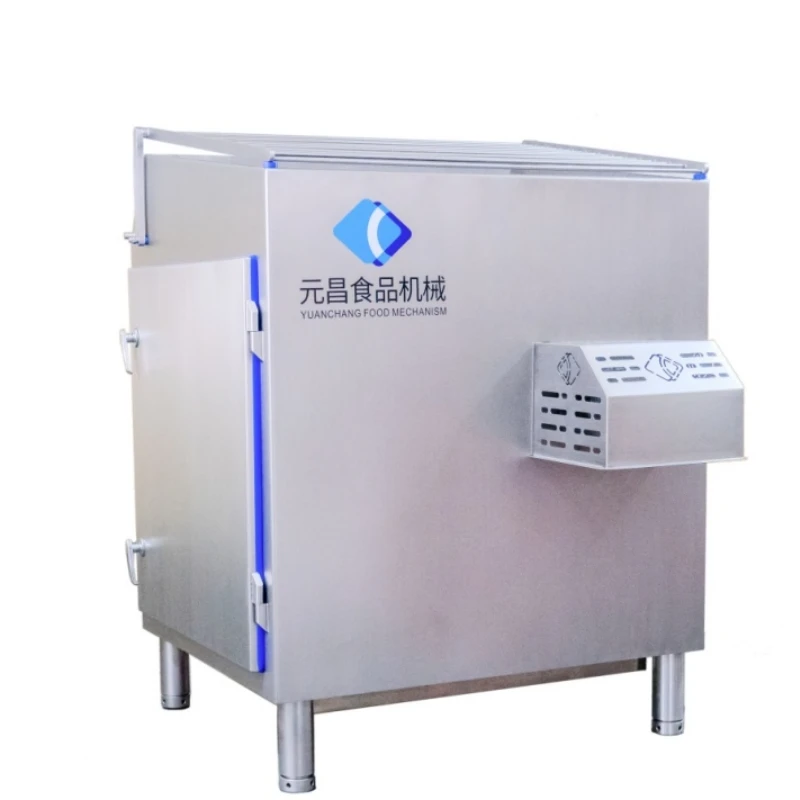
Simply put, it’s a specialized industrial device designed to slice large frozen meat blocks — think chunks weighing dozens of kilograms — down into manageable, consistent cubes. This facilitates easier packaging, thawing, and cooking later down the line. In humanitarian logistics, for example, canned or frozen meat cubes are easier to transport and distribute in disaster relief.
While it sounds straightforward, the technology must cope with extreme cold temperatures, high-density frozen masses, and sanitary operation standards — all without compromising product quality.
Core Aspects That Define the Best Frozen Meat Cube Cutting Machines
1. Durability
Handling frozen meat means constant exposure to subzero temps and frequent washdowns for hygiene. So materials like stainless steel and hardened alloys, which resist corrosion and cold cracking, are standard.
2. Precision and Consistency
Uniform cube size ensures predictable thawing and cooking times, crucial in both industrial kitchens and supply chains. Machines employ finely-tuned blade geometries and hydraulic or pneumatic actuators for exact cuts.
3. Scalability and Throughput
From smaller operations needing a few hundred kilos/day to massive factories processing several tons per hour — scalable models satisfy different volume requirements easily.
4. Hygiene and Easy Cleaning
Food safety regulations demand machines that can be thoroughly sanitized without disassembly. Features like quick-release parts and smooth surfaces help combat bacterial growth.
5. Cost Efficiency
Energy consumption, maintenance downtime, and initial investment factor heavily into ROI calculations. Efficient models help facilities reduce operational costs while improving output quality.
6. User Safety
Sharp blades and heavy frozen blocks pose risks. Most machines embed safety guards, emergency stops, and ergonomic controls.
Mini takeaway: These machines are as much about engineering design finesse as they are about raw power — balancing precision, safety, and hygiene.
Frozen Meat Cube Cutting Machines in Action: Global Applications and Examples
These machines are indispensable in meat processing factories globally, from American beef plants to European pork processors. Many international food suppliers for restaurants and supermarkets rely on these devices for uniform portion control.
In humanitarian scenarios, organizations like the UN’s World Food Programme use frozen meat cubes in emergency rations — easily portioned and extended shelf life thanks to precut freezing.
Remote industrial camps, Arctic research stations, and military bases also benefit, because frozen cubes simplify inventory, minimize waste, and reduce manual labor.
Product Specification Table: Typical Frozen Meat Cube Cutting Machine Model
| Specification | Details |
|---|---|
| Cutting Capacity | Up to 1500 kg/hour |
| Cube Size Range | 10 mm - 50 mm cubes |
| Blade Material | Stainless Steel (AISI 420) |
| Power Supply | 380 V / 50 Hz (3 Phase) |
| Cleaning System | CIP (Clean-In-Place) Compatible |
| Safety Features | Emergency Stop, Safety Guards |
How Different Vendors Stack Up: Comparative Overview
| Vendor | Price Range | Max Throughput (kg/h) | Hygiene Certification | Warranty |
|---|---|---|---|---|
| YC MeatMach | $45,000–$60,000 | 1500 | ISO 22000 | 2 years |
| FrostCut Technologies | $50,000–$75,000 | 1800 | HACCP Certified | 3 years |
| PolarCut Systems | $40,000–$55,000 | 1200 | ISO 22000 | 1.5 years |
The Unseen Benefits: What Makes These Machines So Valuable?
Cost reduction is a big headline — fewer workers doing repetitive manual cutting means labor savings and fewer injuries. Equally important is sustainability; machines optimized for energy efficiency help reduce industrial carbon footprints.
Socially, these machines contribute to food safety and dignity by ensuring hygienic, reliably portioned meat products globally. They enable faster humanitarian aid delivery, cutting down wait times for nutrition in disaster zones.
Mini takeaway: Frozen meat cube cutting machines are more than metal and blades — they foster trust, safety, and efficiency in feeding the world.
What’s Next? Emerging Trends and Innovations
The wave of Industry 4.0 is touching frozen meat cutting too. Smart sensors now monitor blade sharpness, block density, and ambient conditions in real time, reducing downtime.
Materials science promises lighter, tougher composite blades that last longer and clean easier. Meanwhile, some vendors integrate renewable energy sources in their plants, aligning with global sustainability goals.
Automation continues rising, with robotic arms precisely loading and unloading frozen blocks — lowering human exposure to cold and sharp tools.
Facing Challenges Head-On: Practical Issues and Solutions
No tech is perfect; frozen meat cube cutting machines sometimes struggle with irregular block sizes or extreme cold that affects hydraulic fluid viscosity.
To solve this, adaptive algorithms analyze block density variations, adjusting cutting speeds dynamically. Specialized cold-resistant lubricants and modular blade designs make maintenance easier and cut downtime.
Also, training operators on safety and machine settings remains crucial — tech can only go so far without informed human oversight.
Frequently Asked Questions About Frozen Meat Cube Cutting Machines
- What types of meat can be processed with a frozen meat cube cutting machine?
- These machines typically handle beef, pork, lamb, and poultry blocks that are fully frozen. The cutting technology is designed for dense meats and may not work well with irregular shapes or unfrozen products.
- How do frozen meat cube cutting machines improve food safety?
- By automating cutting, they minimize human contact, reducing contamination risks. Their stainless steel construction and CIP compatibility allow thorough sanitation to meet international food safety standards.
- Are these machines customizable for different cube sizes?
- Yes. Most models offer adjustable blade configurations or programmable settings to produce various cube sizes, catering to diverse industrial or humanitarian packaging needs.
- What maintenance is required for these cutting machines?
- Routine blade sharpening or replacement, cleaning after each shift, and regular checks on hydraulic or pneumatic systems keep machines running smoothly. Vendors usually provide detailed maintenance schedules.
- Can NGOs source these machines internationally for relief efforts?
- Absolutely, many manufacturers export globally, often providing shipping support and multilingual documentation. Consult with vendors about compliance with import regulations and local electrical standards.
Final Thoughts and Next Steps
The frozen meat cube cutting machine quietly underpins a lot of what we take for granted in modern frozen food supply — reliable portioning, sanitation, speed, and economic viability. As the global population grows and supply chains stretch even further, these machines will only grow in relevance.
Interested in how the latest cutting-edge machines could streamline your food processing or aid mission? Visit YC MeatMach to explore options and innovations that blend tradition with tomorrow.
References
-
Efficient Meat Cubing Machine for Industrial Meat ProcessingNewsDec.09,2025
-
Meat Cube Cutter Machine – Efficient and Precise Meat Processing EquipmentNewsDec.09,2025
-
Machine Used To Cut Meat | High Performance Meat Cutting Machines for IndustryNewsDec.09,2025
-
Machine That Cuts Meat – Efficient, Durable Meat Processing Solutions for B2BNewsDec.09,2025
-
Machine Meat Cutter: Global Importance, Benefits & Future Trends ExplainedNewsDec.08,2025
-
Durable Machine Cut Meat Slicer for Industrial Efficiency | YC Meat MechNewsDec.08,2025