


Essential Equipment Used in Meat Preparation for Food Safety & Efficiency
Understanding the Importance of Equipment Used in Meat Preparation
When you think about the meals on your table, particularly those featuring meat, have you ever paused to consider the machinery behind it all? The equipment used in meat preparation isn’t just about raw tools; it forms the backbone of an industry that supports global nutrition, food safety, and economic stability. From the small butcher shops in local markets to large-scale processing plants shipping internationally, these tools play a vital role worldwide.
Given how central meat is to diets—supplying nearly 34% of the world’s protein intake according to the Food and Agriculture Organization (FAO)—having reliable, efficient equipment improves not only production but also hygiene and sustainability. Understanding this equipment is essential for anyone in food production, supply chain management, or even humanitarian relief focused on food security.
The Global Context: Why Meat Preparation Equipment Matters
The world meat industry has come a long way — from traditional hand tools to advanced machines that do everything from grinding to packaging. According to the World Bank, meat production accounted for roughly 330 million tons globally in 2022, with expectations to increase steadily over the next decades.
But with growth comes challenge: ensuring safety, increasing efficiency, reducing waste, and meeting regulatory standards across continents. Modern equipment used in meat preparation helps overcome these challenges by automating processes, improving hygiene standards, and lowering labor costs.
Still, in parts of the world where electricity or infrastructure isn’t reliable, the choice of equipment must be carefully targeted to local needs — not just the fanciest tool on the shelf.
What Exactly Is Equipment Used in Meat Preparation?
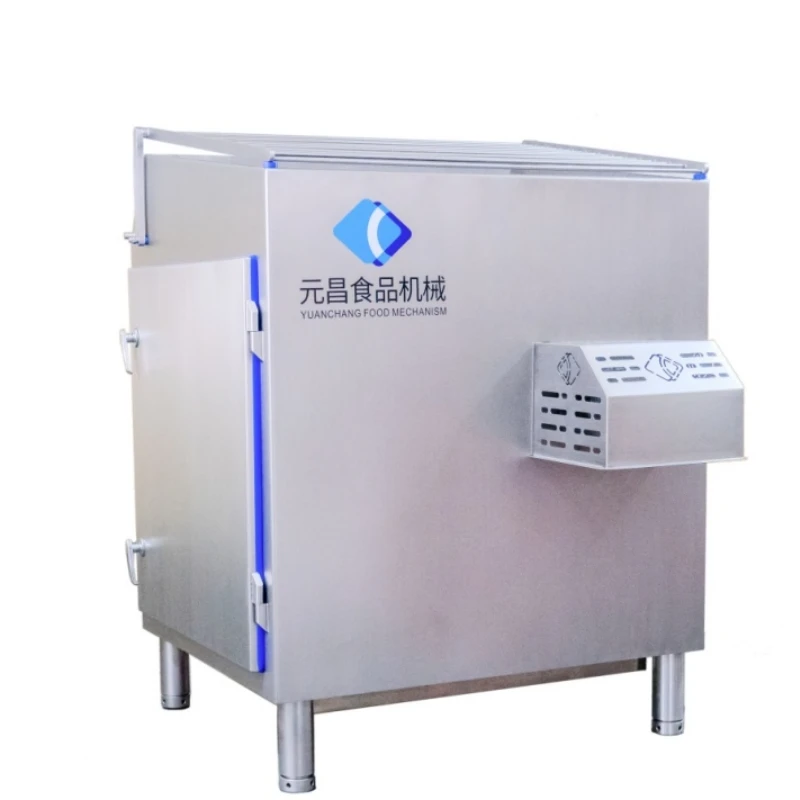
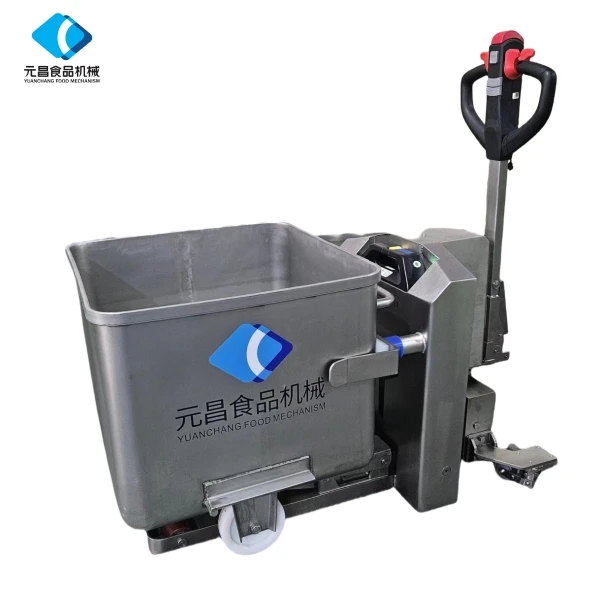
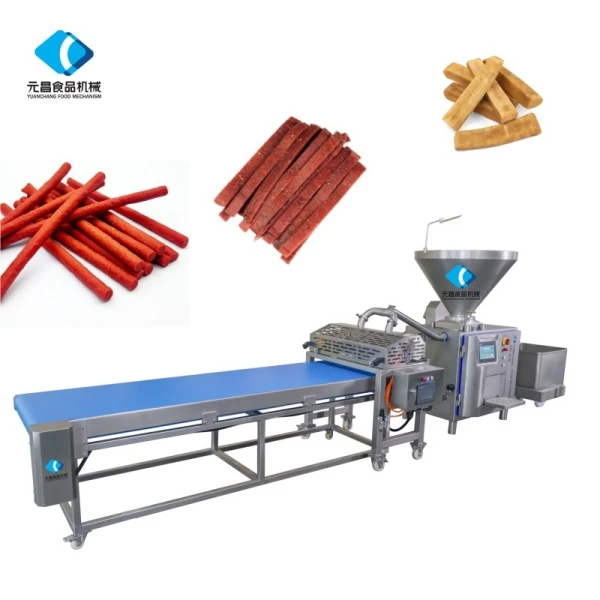
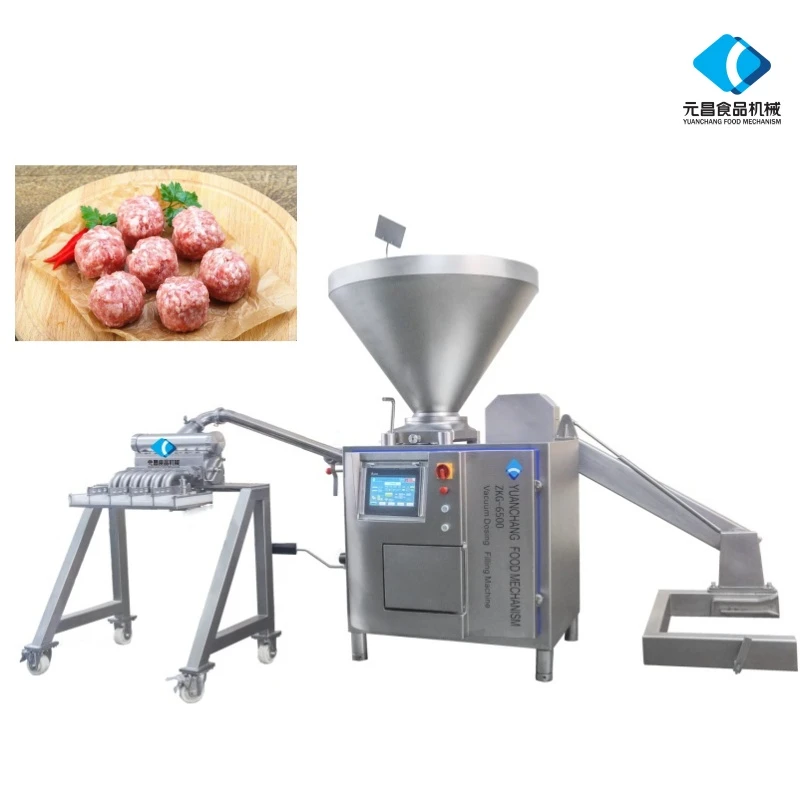
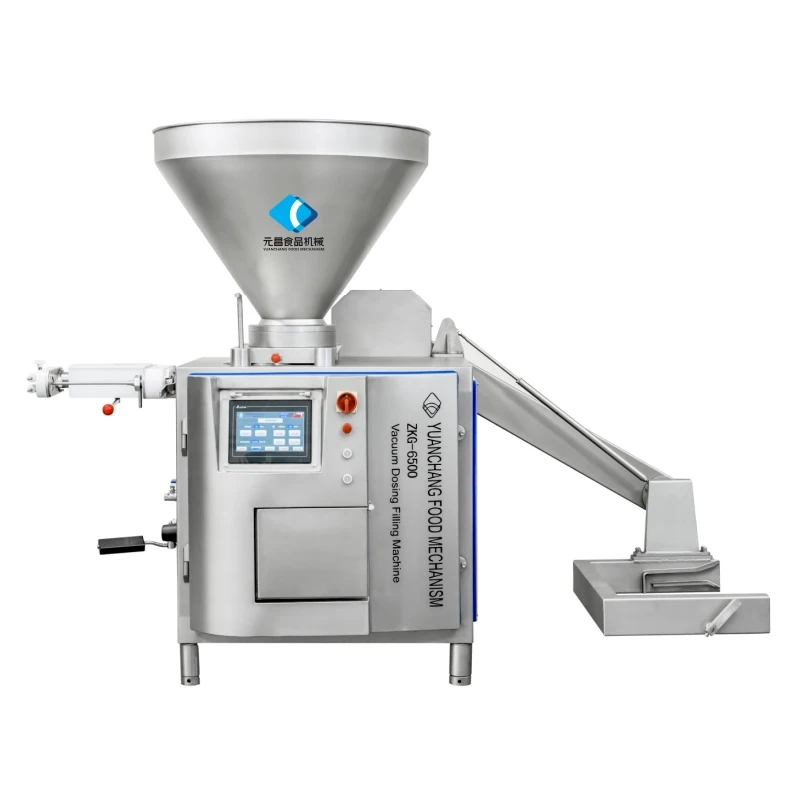
In simple terms, this equipment encompasses all mechanical and electronic tools designed to handle, process, and prepare meat from slaughter to the point of sale. This spans cutting machines, grinders, mixers, tumblers, slicers, and even packaging systems.
In today’s food industry, these tools have evolved into precision devices ensuring consistency, meeting hygiene regulations, and improving worker safety. On a humanitarian note, this equipment supports food security efforts by enabling rapid processing in disaster zones or refugee camps.
Core Components: What to Look for in Meat Preparation Equipment
Durability
Meat processing is tough work: wet environments, repetitive tasks, and strict sanitation routines require machines built to last. Stainless steel often dominates materials for its corrosion resistance and ease of cleaning, but even then, the mechanical parts must withstand hours of continuous use.
Scalability
Whether a butcher shop or a massive contract processing center, equipment must grow with production demands. Modular machines or systems that integrate seamlessly into production lines help companies adapt without hefty reinvestments.
Cost Efficiency
Upfront cost is only a fraction of the story. Energy consumption, maintenance, downtime, and even worker training affect the real cost of ownership. Smart designs prioritize energy-saving motors or easily replaceable parts.
Hygienic Design
This one’s a no-brainer. Equipment used in meat preparation must minimize contamination risks — so smooth surfaces, easy disassembly, and compliance with food safety certifications (like ISO 22000) are mandatory.
User Safety
Sharp blades, heavy lifting, and fast-moving parts create hazards. Ergonomic design, safety guards, and automation reduce accidents and boost operator confidence.
Meat Preparation Equipment in Action Worldwide
From industrial meat processing hubs in Europe and North America to artisanal butchers in Asia and Africa, this equipment adapts to meet diverse needs:
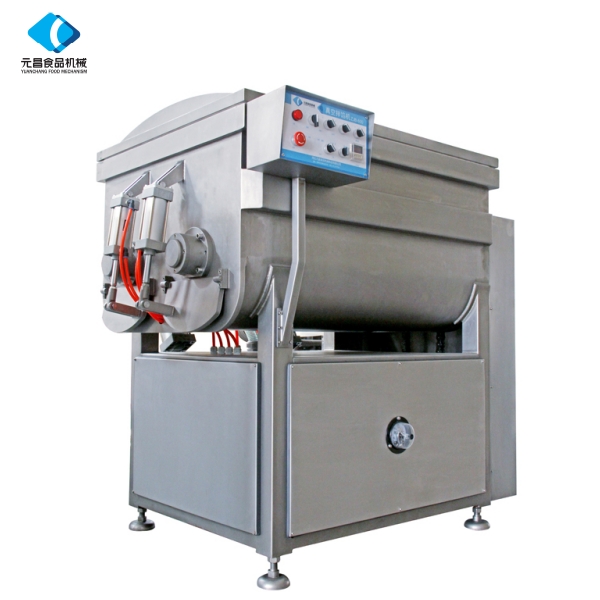
- Industrial Plants: Use high-capacity grinders and automated meat mixers integrated with packaging lines to maximize throughput.
- Local Butcher Shops: Focus on versatile slicers and manual grinders tailored to customer preferences.
- Disaster Relief Operations: Portable meat processing kits enable rapid provisioning of protein in emergency camps.
- Remote or Developing Regions: Robust, low-tech equipment helps communities add value locally — reducing waste and increasing income.
For instance, the UN’s World Food Programme has deployed mobile meat processing units in East Africa to speed up protein distribution during famines. Similarly, many small-scale farmers in Latin America upgrade with manual but durable meat grinders that last for decades, creating a ripple effect of improved food quality and income.
Specifications Table: Example Meat Grinder Model MG-500
| Specification | Details |
|---|---|
| Power | 1.5 HP motor, 220V |
| Output Capacity | Up to 200 kg/hour |
| Material | Food-grade stainless steel (304) |
| Weight | 45 kg |
| Safety Features | Emergency stop switch, blade guard |
| Certifications | ISO 22000, CE Mark |
Vendor Comparison: Choosing the Right Supplier
| Feature | Vendor A | Vendor B | Vendor C |
|---|---|---|---|
| Product Range | Wide (Cutting, Grinding, Packaging) | Medium (Primarily Grinders) | Niche (Portable Equipment) |
| Customization | High | Low | Medium |
| Pricing | Premium | Budget-friendly | Mid-range |
| Delivery Time | 4-6 weeks | 2-3 weeks | 1-2 weeks |
| After-sales Support | 24/7 Global | Limited | Regional |
Advantages & Long-Term Value of Using the Right Meat Preparation Equipment
Choosing the right equipment pays dividends far beyond the obvious productivity boost. It builds trust with consumers by ensuring hygienic, consistent meat products. It also contributes to sustainability by reducing waste and energy consumption (many newer machines boast energy-saving modes). Not to forget the social aspect — providing safer working conditions for employees promotes dignity and peace of mind, and helps meet industry regulations.
Emotionally, knowing that a company invests in quality equipment also signals innovation and commitment, which helps foster long-term business relationships.
Peeking Into the Future: Trends and Innovations
Technology is advancing fast. We’re seeing an increasing use of automation and robotics to streamline meat preparation, reducing human error. Digital sensors now monitor hygiene, temperature, and machine efficiency in real time. Plus, eco-conscious designs emphasize recyclable materials and energy-efficient motors.
On the horizon, alternative proteins may require adapted processing equipment, while AI and IoT integration promises “smart factories” that anticipate maintenance and optimize output dynamically. For companies committed to equipment used in meat preparation, staying updated on these trends is key.
Common Challenges & Innovative Solutions
Of course, no equipment is perfect. Common issues include:
- High Maintenance Costs: Innovation here includes self-lubricating parts and predictive maintenance software.
- Energy Consumption: Manufacturers are shifting to greener motors and solar-compatible options.
- Workforce Training: User-friendly controls and virtual reality simulations improve skill transfer.
- Supply Chain Interruptions: Modular or locally-sourced equipment reduces dependencies.
Addressing these challenges head-on means better reliability and less downtime — truly a win-win for producers and consumers alike.
FAQ: Frequently Asked Questions About Equipment Used in Meat Preparation
- Q: What should I consider when choosing meat grinding equipment for a small butcher shop?
- A: Focus on equipment that combines versatility and ease of cleaning. Something compact with manual or low-powered operation might fit best, minimizing energy use and ensuring hygienic standards. Also, check local certifications.
- Q: How often should meat preparation machines be maintained?
- Routine maintenance typically depends on usage intensity but should happen weekly for daily-use grinders and slicers. Scheduled servicing every 6-12 months ensures mechanical parts stay in good shape and reduces unexpected downtime.
- Q: Can portable meat processing equipment be useful in disaster relief?
- Absolutely. Portable kits enable quick protein processing in the field, supporting nutrition when infrastructure is limited. They are designed for easy setup, rugged use, and often run on generators or battery power.
- Q: Are there sustainable options in meat preparation machinery?
- Yes. Manufacturers are increasingly offering energy-efficient models, machines built with recyclable materials, and designs that minimize waste through precision cutting. Look for certifications like ISO 14001.
- Q: How do I ensure equipment compliance with local food safety regulations?
- Partner with vendors who provide documentation and certifications for your markets. Verify adherence to standards like HACCP or ISO 22000, and conduct regular inspections of your own.
Wrapping It Up
Equipment used in meat preparation touches every stage, from farm to fork, weaving together safety, efficiency, and sustainability. The right machinery not only boosts output but also protects the workers, preserves quality, and supports global nutrition goals. Whether you’re upgrading a local butcher shop or managing a large food processing facility, these tools offer long-term value that goes beyond just getting the job done.
Curious to discover the latest in meat preparation technology? Visit our website to explore top equipment options tailored to your needs.
References:
-
Efficient Meat Cubing Machine for Industrial Meat ProcessingNewsDec.09,2025
-
Meat Cube Cutter Machine – Efficient and Precise Meat Processing EquipmentNewsDec.09,2025
-
Machine Used To Cut Meat | High Performance Meat Cutting Machines for IndustryNewsDec.09,2025
-
Machine That Cuts Meat – Efficient, Durable Meat Processing Solutions for B2BNewsDec.09,2025
-
Machine Meat Cutter: Global Importance, Benefits & Future Trends ExplainedNewsDec.08,2025
-
Durable Machine Cut Meat Slicer for Industrial Efficiency | YC Meat MechNewsDec.08,2025