0%

Table of Contents

The mechanical clipper stands as a cornerstone of modern efficiency, impacting industries from agriculture and food processing to manufacturing and logistics. Its ability to precisely and rapidly separate materials, trim surfaces, or process products makes it an indispensable tool in numerous applications. Understanding the nuances of mechanical clippers – their design, operation, and evolving technologies – is crucial for optimizing performance, ensuring safety, and driving innovation across diverse sectors. The increasing demand for automated and high-throughput processing is further solidifying the mechanical clipper’s importance in the global landscape.

Globally, the demand for efficient processing solutions is constantly increasing. Whether it's streamlining meat processing for a growing population or automating component trimming in the automotive industry, the need for reliable and accurate mechanical clippers is paramount. This demand is fueled by factors such as rising labor costs, stricter quality control standards, and the need to reduce waste. The mechanical clipper directly addresses these challenges, offering a cost-effective and scalable solution for businesses worldwide.

The advancements in mechanical clipper technology are not merely incremental; they are transformative. From pneumatic and hydraulic systems to sophisticated servo-driven models, the continuous pursuit of precision, speed, and hygiene is redefining what’s possible. Investing in understanding these advancements translates to improved operational efficiency, reduced downtime, and a competitive edge in the marketplace.
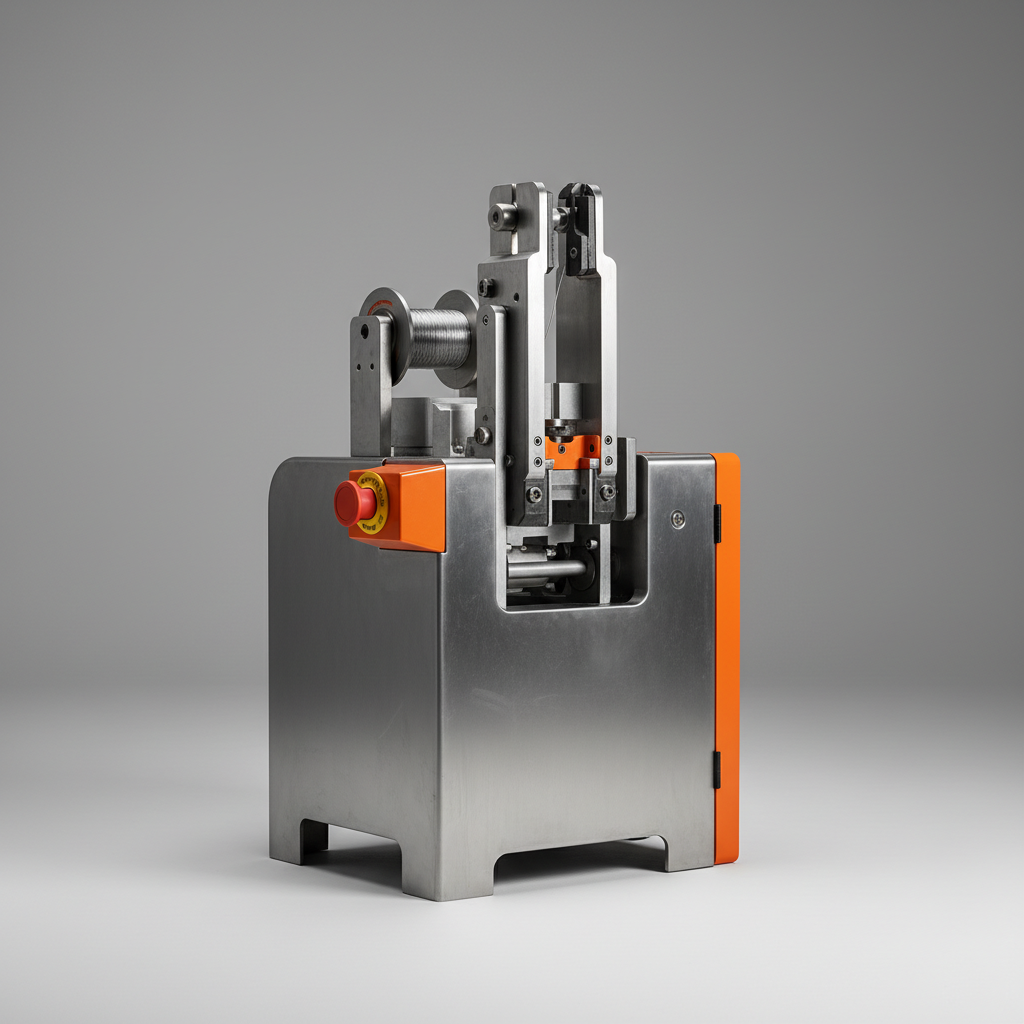
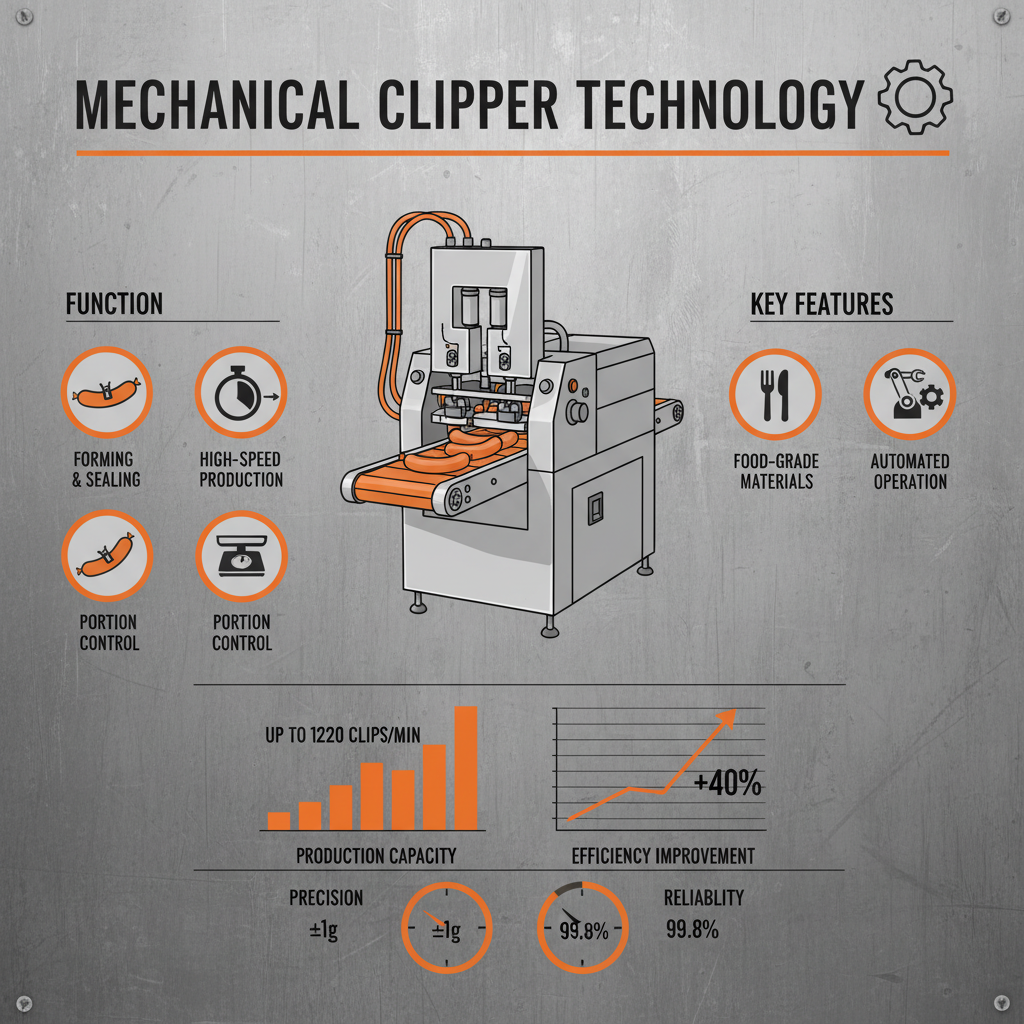
Advancements in Mechanical Clipper Technology and Global Industrial Applications

Introduction to Mechanical Clippers

Advancements in Mechanical Clipper Technology and Global Industrial Applications

A mechanical clipper is, at its core, a precision cutting tool designed for efficient separation or trimming of materials. Unlike manual cutters, mechanical clippers leverage mechanical advantage – often through the use of cams, levers, or powered drives – to deliver consistent and repeatable cuts. This is particularly important in industries requiring high throughput and strict quality control. The core functionality relies on a reciprocating blade system that is driven mechanically.

The evolution of the mechanical clipper has been driven by the need for increased efficiency, hygiene, and automation. Early models were often manually operated, requiring significant physical effort. Modern mechanical clippers, however, incorporate sophisticated technologies such as servo motors, programmable logic controllers (PLCs), and advanced sensor systems, allowing for precise control and automated operation. The advancements have not only improved production rates but also reduced the risk of operator injury.

Global Relevance and Industry Context

The global food processing industry, valued at over $7 trillion USD annually (according to a 2023 report by the Food and Agriculture Organization of the United Nations), is a primary driver of demand for mechanical clippers. In meat processing, for example, mechanical clippers are used to remove excess fat, trim portions, and create uniform cuts, contributing to reduced waste and improved product quality. This is crucial in meeting the demands of a growing global population.

Beyond food processing, mechanical clippers play a vital role in various other industries. The automotive sector utilizes them for trimming rubber seals, cutting hoses, and shaping interior components. The textile industry employs mechanical clippers for precise fabric trimming. Even in specialized fields like medical device manufacturing, mechanical clippers are used for cutting materials with strict tolerances. According to ISO standards, precision is a key attribute, making mechanical clippers a valuable tool.

A significant challenge the mechanical clipper addresses is the increasing need for automation to overcome labor shortages and rising wage costs. Implementing automated mechanical clipping solutions allows companies to maintain production levels without relying heavily on manual labor. This not only reduces costs but also improves consistency and reduces the risk of human error. This aligns with the broader trend of Industry 4.0 and the adoption of smart manufacturing technologies.

Defining the Mechanical Clipper

A mechanical clipper is fundamentally a powered cutting device that utilizes a reciprocating blade system to precisely separate, trim, or portion materials. It differs from simple manual cutters in its ability to deliver consistent cutting force and speed, often at a high throughput rate. The driving force behind the blade movement can be pneumatic, hydraulic, or electric, but the core principle remains the same – controlled and repeatable cutting action.

The connection to modern industry is profound. Mechanical clippers are integral to ensuring product quality, reducing waste, and optimizing production efficiency across countless sectors. In food processing, they ensure portion control and meet hygiene standards. In manufacturing, they enable the precise trimming of components and the creation of complex shapes. They're a key element in maintaining efficient, scalable production.

Furthermore, the mechanical clipper’s adaptability extends to humanitarian needs. In disaster relief operations, portable mechanical clippers can be used to process food supplies efficiently, providing sustenance to affected populations. Their robust design and ability to operate in challenging conditions make them a valuable asset in emergency situations.

Key Factors in Mechanical Clipper Performance

Durability: A robust mechanical clipper construction is vital for long-term operation, particularly in demanding environments. High-quality materials, such as stainless steel, and precision engineering contribute to minimizing downtime and reducing maintenance costs.

Precision: The accuracy and consistency of the cut are paramount. This is achieved through precise blade alignment, stable driving mechanisms, and accurate control systems. High precision leads to minimal waste and consistent product quality.

Mechanical Clipper Performance Metrics


Global Applications and Use Cases

In post-disaster relief operations, portable mechanical clippers can be deployed to rapidly process food supplies for affected populations, ensuring quick access to essential nourishment. Their ability to operate with minimal infrastructure makes them invaluable in such situations.

In remote industrial zones, where access to skilled labor may be limited, automated mechanical clipper systems provide a reliable and efficient solution for processing raw materials and manufacturing products. These systems contribute to increased productivity and reduced reliance on manual labor.

Advantages and Long-Term Value

The tangible benefits of investing in a mechanical clipper are substantial. Reduced labor costs, increased throughput, and minimized waste all contribute to improved profitability. Furthermore, the precision and consistency offered by mechanical clippers enhance product quality, leading to greater customer satisfaction.

Beyond the financial advantages, mechanical clippers contribute to enhanced safety and improved working conditions. Automated systems reduce the risk of repetitive strain injuries and minimize operator exposure to hazardous materials. This fosters a more positive work environment and boosts employee morale.

Future Trends and Innovations in Mechanical Clippers

The integration of Artificial Intelligence (AI) and Machine Learning (ML) is poised to revolutionize mechanical clipper technology. AI-powered systems can analyze real-time data to optimize cutting parameters, predict maintenance needs, and improve overall efficiency.

Sustainable design and the use of eco-friendly materials are also gaining prominence. Manufacturers are increasingly focused on developing mechanical clippers that minimize energy consumption and reduce environmental impact. This includes exploring the use of bio-based lubricants and recyclable materials.

Digital transformation is driving the development of “smart” mechanical clippers equipped with sensors, data analytics, and remote monitoring capabilities. These features allow operators to track performance, diagnose issues, and optimize operations remotely, enhancing overall productivity and minimizing downtime.

FAQS

What are the key maintenance requirements for a mechanical clipper?

Regular maintenance is crucial for ensuring optimal performance and longevity. This includes daily cleaning to remove debris, regular lubrication of moving parts, and periodic blade sharpening or replacement. Following the manufacturer’s recommendations for preventative maintenance will significantly reduce downtime and extend the lifespan of the mechanical clipper. Proper training for maintenance personnel is also essential.

How can I ensure the hygiene of a mechanical clipper used in food processing?

Hygiene is paramount in food processing applications. Mechanical clippers used in these environments should be constructed from food-grade stainless steel and designed for easy disassembly and cleaning. Regular sanitization with approved food-safe disinfectants is essential. Ensure all components are thoroughly cleaned and dried after each use to prevent bacterial growth and contamination.

What safety features should I look for in a mechanical clipper?

Essential safety features include blade guards, emergency stop buttons, and interlock systems that prevent operation when safety covers are removed. Operator training on safe operating procedures is critical. Regular inspection of safety features and adherence to safety protocols are vital for preventing accidents and ensuring a safe working environment.

What are the differences between pneumatic, hydraulic, and electric mechanical clippers?

Pneumatic clippers use compressed air for power, offering speed and simplicity. Hydraulic clippers use fluid pressure for increased force and control, suitable for tougher materials. Electric clippers, often servo-driven, provide precise control, energy efficiency, and quiet operation. The best choice depends on the specific application and desired performance characteristics.

What is the typical lifespan of a well-maintained mechanical clipper?

With proper maintenance and care, a high-quality mechanical clipper can reliably operate for 10-15 years or even longer. Key factors influencing lifespan include the quality of construction, the frequency of use, and the severity of the operating environment. Regular preventative maintenance and timely replacement of worn parts are essential for maximizing lifespan.

Can mechanical clippers be customized to meet specific application requirements?

Yes, many mechanical clipper manufacturers offer customization options to tailor the equipment to specific application needs. This can include modifications to blade geometry, cutting force, speed, and automation features. Customization ensures that the mechanical clipper is optimized for the intended task, maximizing efficiency and performance.

Conclusion

In conclusion, the mechanical clipper represents a vital component of modern industrial processes, impacting a wide range of sectors from food processing and automotive manufacturing to disaster relief. Its ability to deliver precise, efficient, and repeatable cutting action makes it indispensable for optimizing productivity, reducing waste, and enhancing product quality. Investing in understanding and implementing the latest mechanical clipper technologies is a strategic move for any organization seeking to gain a competitive edge.

Looking ahead, the future of mechanical clippers is inextricably linked to advancements in automation, AI, and sustainable design. Embracing these innovations will unlock new levels of efficiency, precision, and environmental responsibility. To learn more about our range of mechanical clipper solutions and how they can benefit your operation, visit our website today at ycmeatmech.com.

Kevin Garcia

Kevin Garcia

Kevin Garcia is a project manager at Hebei Yuanchang, overseeing the implementation of complete food processing lines for clients. He excels at coordinating between the engineering, production, and sales teams to ensure seamless project delivery. Kevin focuses on auxiliary equipment like food factory hoppers and general hoists, ensuring they integrate
Previous Innovative Double Clipper Technology for Rapid and Sustainable Infrastructure Solutions
Next Advancements in Filling and Linking Machine Technology for Efficient Packaging Solutions