


Meat Mixer Price Guide – Industrial Equipment Insights & Comparison
Meat Mixer Price: What You Should Know Before Buying
Having spent over a decade working closely with industrial equipment, I’ve seen how meat mixers have transformed from bulky, unreliable machines to precise and efficient workhorses in food processing plants. The meat mixer price often becomes the first question prospective buyers ask — and for good reason. After all, this investment affects both your upfront costs and ongoing production efficiency.
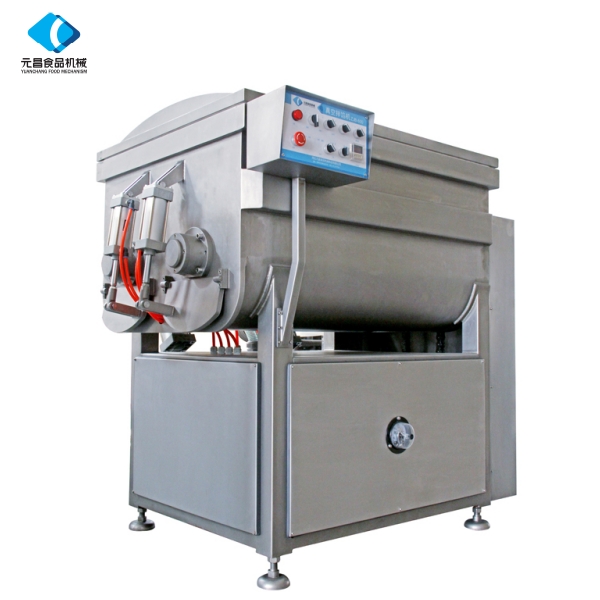
Oddly enough, the price of a meat mixer isn’t just about the machine’s size or power. It’s a blend of factors like build quality, mixing capacity, material technology, and frankly, the vendor's reputation. When I first recommended a certain model at my previous job, I learned quickly it’s worth paying a little extra for parts that are food-grade stainless steel and mixing paddles designed to minimize meat damage.
In real terms, meat mixers vary widely—even models that seem similar. For smaller operations, a compact mixer might cost around $3,000 to $8,000. But for an industrial meat processing line, prices can escalate quickly, reaching $20,000 or more. Why? Because those machines usually have larger capacities, variable speed settings, and advanced safety features.
Here’s a quick rundown of the typical specifications that influence meat mixer price:
| Specification | Typical Range | Notes |
|---|---|---|
| Capacity | 50 - 1000 kg batches | Larger capacity drives price up |
| Material | Food-grade stainless steel (304 or 316) | Durability & hygiene critical |
| Motor Power | 1.5 - 7.5 kW | Higher power for tougher mixes |
| Mixing Technology | Single or dual shaft, variable speed | Affects texture & process control |
I noticed during my years in the field that customizability can play a surprising role in price. For example, options like automatic cleaning cycles, integrated vacuum mixing, or specialized coatings to handle specific meat types would add to the cost, but for certain clients, those features translate into considerable operational gains.
Of course, the vendor makes a difference too. To help break it down, here’s a simple vendor comparison I often share with colleagues weighing options:
| Vendor | Price Range (USD) | Key Strength | After-Sales Support |
|---|---|---|---|
| YC Meat Machinery | $5,000 - $18,000 | Solid build, good price-quality ratio | Responsive, knowledgeable |
| Vendor A | $6,000 - $20,000 | High custom options | Moderate response time |
| Vendor B | $4,500 - $15,000 | Basic models, budget-friendly | Limited support |
Frankly, I’ve found that no two setups are alike. One customer in Kansas used a beef mixer from YC Meat Machinery for years, telling me they appreciated the “quiet operation” — a detail you wouldn’t expect to impact price but pays off in worker comfort and longer machine life.
In the end, the meat mixer price you’ll want to settle on depends largely on your production scale, desired features, and long-run reliability. If you’re just starting out, maybe a mid-range model with room to upgrade is best. For established plants, investing in customization and quality materials tends to pay dividends.
If I could leave you with one thing from my industrial years, it’s this: do weigh price against total cost of ownership. Cheap initially? Great — but will parts wear out prematurely? Will downtime hurt your output? Those factors often hit budgets much harder than the original price tag.
So, while it feels like a straightforward purchase, meat mixers carry subtle complexities, much like the processes they carry out.
Hopefully, this gives you a clearer picture when you’re comparing options — and makes the price tags feel a little less mysterious.
References:
1. Industrial Meat Processing Equipment Reports (2019-2023)
2. User Feedback from Meat Industry Forums
3. Manufacturer specifications and warranty details
-
Efficient Meat Cubing Machine for Industrial Meat ProcessingNewsDec.09,2025
-
Meat Cube Cutter Machine – Efficient and Precise Meat Processing EquipmentNewsDec.09,2025
-
Machine Used To Cut Meat | High Performance Meat Cutting Machines for IndustryNewsDec.09,2025
-
Machine That Cuts Meat – Efficient, Durable Meat Processing Solutions for B2BNewsDec.09,2025
-
Machine Meat Cutter: Global Importance, Benefits & Future Trends ExplainedNewsDec.08,2025
-
Durable Machine Cut Meat Slicer for Industrial Efficiency | YC Meat MechNewsDec.08,2025