


Essential Equipment Needed for Meat Processing | Industry & Food Safety Insights
The Essential Guide to Equipment Needed for Meat Processing
When you think about the everyday steaks, sausages, or deli meats you enjoy, it’s easy to overlook the complex machinery and tools that made that possible. The equipment needed for meat processing is at the heart of how modern food production delivers safe, high-quality protein to global markets—and frankly, understanding this is more important than ever. With rising populations and evolving food demands, knowing what goes into meat processing machinery not only informs industry choices but also touches on food safety, sustainability, and economic viability worldwide.
Why This Matters Globally
The demand for meat has nearly doubled since the 1960s, according to the Food and Agriculture Organization (FAO) of the UN. Meat processing equipment enables this scale by ensuring hygiene, efficiency, and consistency — factors critical to feeding billions. Yet, challenges abound: from contamination risks to energy consumption and waste management. So the right equipment needed for meat processing isn’t just about raw power; it's about innovation aligned with sustainability and safety.
Mini takeaway: The tools behind meat processing aren't just fancy gadgets; they're vital players in global nutrition and health.
What Does ‘Equipment Needed for Meat Processing’ Actually Mean?
In straightforward terms, it’s the machinery and tools used at various stages of turning fresh animal carcasses into consumer-ready meat products. This includes everything from stunning and bleeding equipment, through cutting, deboning, grinding, to packaging and chilling systems. Its connection to modern industry is profound—enabling fast, safe, and scalable meat production. On the humanitarian front, such equipment supports emergency food supply chains, where rapid, hygienic meat processing can be lifesaving.
Some Core Components Explained
1. Durability
Meat processing equipment must withstand constant cleaning, abrasive forces, and sometimes harsh chemicals. Stainless steel and food-grade alloys dominate because they resist corrosion and meet stringent hygiene standards. I’ve noticed many operators prioritize machines rated for industrial use over cheaper ones—because downtime is costly.
2. Scalability
From family-run butchers to large industrial plants, scalability matters. Modular systems that allow adding grinders, slicers, or chillers make upgrades practical. This flexibility can be a game-changer, especially in emerging markets where demand may spike unpredictably.
3. Cost Efficiency
The initial investment in these machines can be high, but long-term efficiency—in terms of labor reduction, energy use, and reduced waste—often pays off. It’s a balancing act: cutting corners on equipment quality frequently leads to higher maintenance and hygiene problems.
4. Hygiene & Safety Compliance
Food safety regulations like those from ISO and HACCP frameworks push manufacturers to design equipment easy to clean, minimizing contamination risks. The record-keeping and traceability integration in newer machines also reflect how far the industry has come.
5. Automation & Technology Integration
Many modern machines come equipped with sensors, IoT connectivity, and automated controls to optimize cutting patterns, speed, and detect faults promptly. This often results in higher throughput and less product loss.
Mini takeaway: The best equipment blends mechanical toughness, smart design, and compliance—making a butcher’s workflow both safer and more productive.
Where and How These Equipment Types Are Making a Difference
Globally, meat processing equipment is crucial in diverse environments:
- Europe & North America: High-tech plants use automated deboners and slicing lines for mass production.
- Developing countries: Portable, multipurpose processing units help small-scale farmers add value and safety.
- Disaster relief: In post-disaster zones, mobile meat processing units ensure protein supplies despite infrastructure collapse.
- Remote industrial zones: Closed-loop refrigerating and cutting equipment serve isolated mining or oilfield camps, supporting local food provision.
For instance, a mid-sized plant in Brazil recently upgraded to digital cutting tables, cutting waste by nearly 10%. These examples reinforce how the right equipment needed for meat processing aligns technical advancement with practical gains.
Typical Meat Processing Equipment Specifications
| Equipment | Capacity | Material | Power Source | Typical Use |
|---|---|---|---|---|
| Meat Grinder | 200–1500 kg/hr | Stainless Steel | Electric | Grinding and mincing |
| Band Saw | Varies by blade | Food-grade Stainless Steel | Electric | Cutting large carcasses |
| Vacuum Packaging Machine | Up to 50 packs/min | Stainless Steel | Electric / Pneumatic | Sealing & preserving meat |
| Chilling Tunnel | Up to 2000 kg/hr | Aluminum & Steel | Refrigeration / Electric | Rapid cooling & storage |
Comparing Leading Equipment Vendors
| Vendor | Product Range | Key Strength | Regional Focus | Price Level |
|---|---|---|---|---|
| MechPro Industries | Full line - cutting, grinding, packaging | Customization & heavy-duty design | Global | High |
| AgroMeat Solutions | Deboning, portioning, secondary processing | Affordable, scalable units | Asia & Africa | Mid |
| FreshTech Equipment | Packaging and refrigeration tech | Energy efficiency and automation | Europe & North America | High |
Advantages & Long-Term Impact
Investing in proper meat processing equipment translates into tangible benefits:
- Cost savings: Less manual labor and reduced waste mean higher margins.
- Food safety: Hygiene-focused designs lower contamination and recalls.
- Sustainability: Efficient energy use and waste management support environmental goals.
- Social impact: Supporting local farmers and processors with scalable machines improves food security.
- Reliability & Trust: Consistent product quality builds consumer confidence over time.
Not to mention, seeing meat processed quickly yet responsibly really comforts customers, knowing their food was handled with care.
Looking Ahead: Trends Shaping the Future
We're on the cusp of some pretty fascinating shifts:
- Green energy integration: Solar-powered or energy-recovering equipment is gaining traction.
- Automation and AI: Smarter scanning and cutting devices optimize yield and reduce human error.
- Modular and mobile units: Expanding meat processing where infrastructure lacks, even in farms or disaster zones.
- Sustainability certifications: Equipment designed to comply with tougher ISO and global standards.
Common Challenges & How Industry Experts Address Them
Of course, it’s not all smooth sailing:
- High upfront costs: Many smaller producers struggle to invest in state-of-the-art equipment. Leasing models and government grants have been partial solutions.
- Maintenance complexity: Advanced digital machines require trained staff; ongoing training and vendor support are vital.
- Sanitation hurdles: Even machines designed for hygiene need rigorous protocols. Ultrasonic cleaning tech and modular disassembly help overcome this.
- Energy demands: Here, harnessing renewable sources or optimizing machine operation lowers bills.
FAQs About Equipment Needed for Meat Processing
- What are the basic machines every meat processing plant needs?
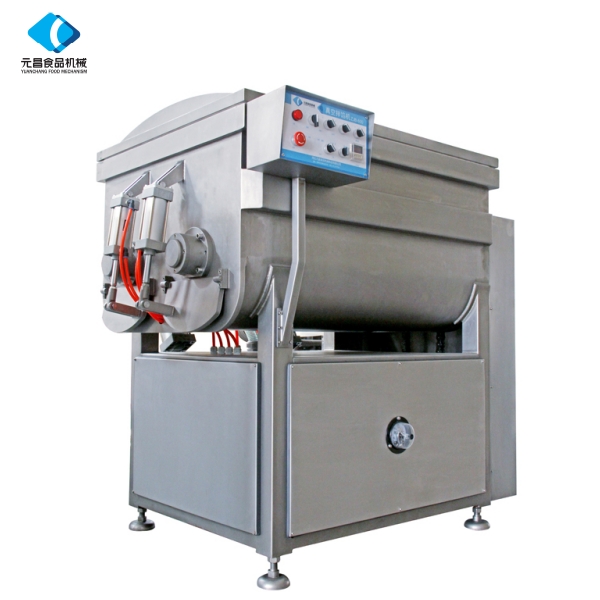
- A typical setup includes stunning and bleeding equipment, band saws or cutters, grinders, mixers, vacuum packagers, and chilling units. Specific choices depend on capacity, product type, and regulations.
- How can small scale farmers access meat processing equipment affordably?
- Many vendors offer modular units designed for scalability and cost efficiency. Additionally, equipment leasing, cooperatives, or government subsidies support small operators.
- What maintenance is required to keep meat processing equipment compliant?
- Regular cleaning after shifts, routine inspection for wear parts, calibration of sensors, and prompt repair services help sustain compliance and reduce downtime.
- How does automation impact meat processing efficiency?
- Automation reduces human error, speeds production, and optimizes cuts, thus improving yield and lowering labor costs — though it comes with higher initial investment.
- Can equipment be customized for specific types of meat?
- Yes, vendors often provide adaptable designs or accessory kits for particular products like poultry, pork, or specialized deli meats to accommodate different textures and cutting requirements.
Wrapping It Up
The equipment needed for meat processing is no mere technical side note—it’s a linchpin in the global food supply chain, quietly shaping what ends up on our plates. The right gear brings safety, efficiency, and sustainability together, offering producers new ways to innovate and meet the rising demand for quality meat. If you’re exploring solutions for your operation or industry, it’s worth checking out the broad range of equipment needed for meat processing — because the right tool really does make all the difference.
Curious to learn more? Visit https://www.ycmeatmech.com and start your journey to better meat processing today.
References
-
Efficient Meat Cubing Machine for Industrial Meat ProcessingNewsDec.09,2025
-
Meat Cube Cutter Machine – Efficient and Precise Meat Processing EquipmentNewsDec.09,2025
-
Machine Used To Cut Meat | High Performance Meat Cutting Machines for IndustryNewsDec.09,2025
-
Machine That Cuts Meat – Efficient, Durable Meat Processing Solutions for B2BNewsDec.09,2025
-
Machine Meat Cutter: Global Importance, Benefits & Future Trends ExplainedNewsDec.08,2025
-
Durable Machine Cut Meat Slicer for Industrial Efficiency | YC Meat MechNewsDec.08,2025