


Understanding Equipment Used in Meat Industry: Global Trends & Practical Insights
The Intricate Role of Equipment Used in Meat Industry: Why It Really Matters
You might think that working in the meat industry is all about the animals or the butcher’s grind, but really, the story is much bigger — and it’s all about the equipment used in meat industry operations. From slaughterhouses to packaging lines, the right tools shape food safety, efficiency, and sustainability worldwide. As global demand for meat rises — the UN estimates that meat production will increase by roughly 15% by 2030 — understanding this equipment isn’t just for specialists; it’s a key piece in feeding billions safely and responsibly.
Whether you’re a supplier, an engineer, or just a curious reader, knowing the whys and hows of meat industry machinery reveals crucial benefits: better hygiene, food traceability, reduced waste, and even improved labor conditions. In today’s competitive market, where regulations tighten and consumer expectations soar, mastering these tools is a strategic edge.
Global Context: Why Does Equipment Matter in the Meat Industry?
Globally, the meat industry is a multi-trillion-dollar powerhouse, employing millions and involving complex supply chains. According to FAO data, meat consumption grows strongest in Asia-Pacific and parts of Africa, pushing production to new scales. But with scale comes challenges: cross-contamination risks, inconsistent cuts, and inefficient workflows.
That’s where specialized equipment used in meat industry steps in — the conveyor belts, dehairing machines, refrigeration units, slicing tools, and packaging lines designed to uphold standards from farm to fork. They meet ISO hygienic standards, counter foodborne pathogen outbreaks, and help reduce environmental footprints.
But a paradox persists: how to scale efficiently without sacrificing safety or sustainability? In many emerging markets, outdated or makeshift equipment still dominates, risking public health and export bans.
What Exactly Is Equipment Used in Meat Industry?
Simply put, it’s the collective machinery, tools, and hardware designed to process, prepare, package, and transport meat products. This includes everything from the traditional—knives and hooks—to cutting-edge automated systems like robotic butchers and smart refrigeration controls.
Oddly enough, this equipment lies at the intersection of industrial engineering, food science, and even ethics. When done right, it ensures humane slaughter, minimizes waste, and supports global food security — all human needs wrapped into metal and software.
Breaking It Down:
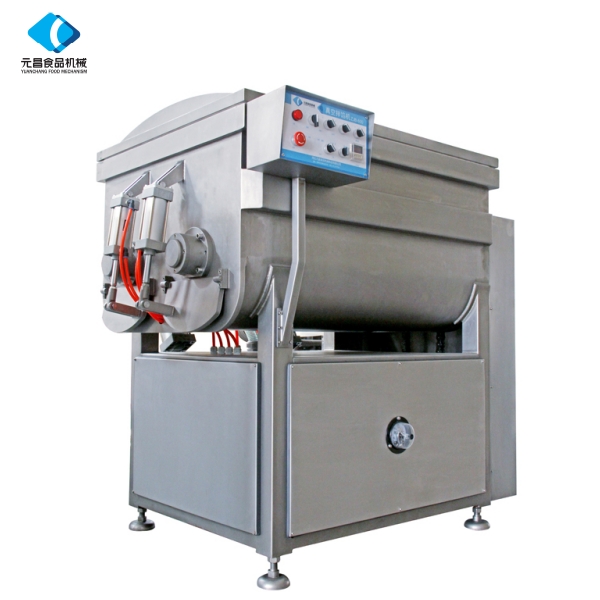
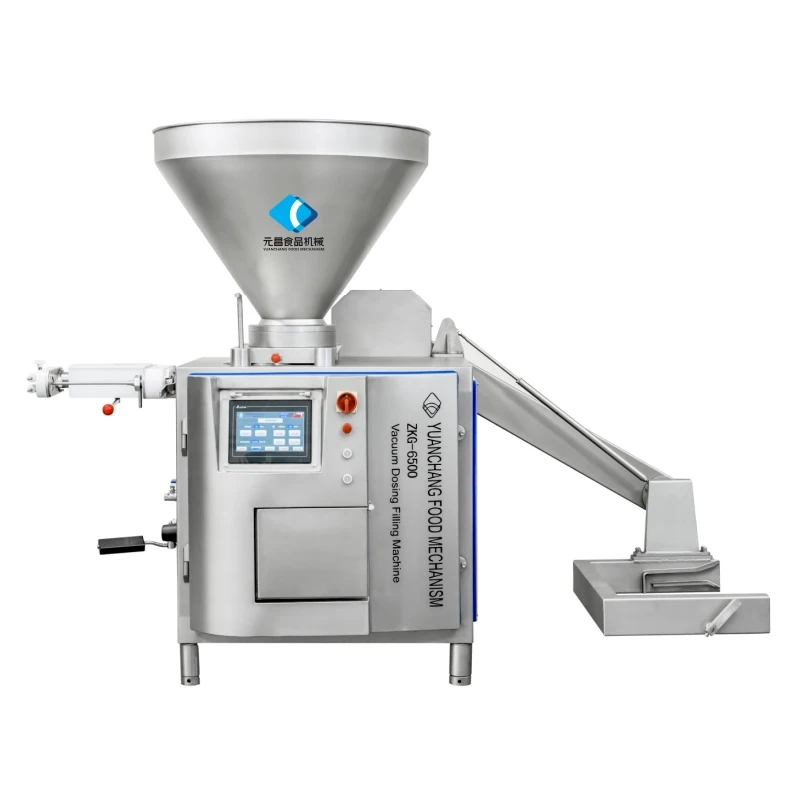
- Processing machines: Tools that de-bone, slice, grind, or shape meat.
- Hygienic equipment: Sanitation stations, sterilizers, and anti-contamination materials.
- Refrigeration/Storage: Keeping products cold and fresh across supply chains.
- Packaging machinery: Vacuum sealers, cutters, and labeling systems.
- Transportation methods: Conveyors, automated guided vehicles, and cold chain logistics.
Key Factors Behind Successful Meat Industry Equipment
Durability & Hygiene
Meat industry equipment takes a beating — from moist, cold environments to abrasive processing. Stainless steel is the superstar here because it resists rust, is easy to clean, and meets FDA/ISO hygienic standards. Rough surfaces harbor bacteria, so smooth design and corrosion resistance aren’t luxuries — they’re essentials.
Scalability & Flexibility
Smaller butcheries don’t need the same massive rigs as industrial plants. Equipment must shape-shift from artisanal cuts to millions of tons annually. Modular designs that add or remove processing units let companies adapt to market fluctuations without overhauling everything.
Cost Efficiency
Often overlooked but huge: operational costs. This isn’t simply the equipment’s purchase price but power consumption, maintenance, downtime, and waste management. Many manufacturers chase energy-efficient motors and predictive maintenance to avoid costly shutdowns.
Automation & Technological Integration
Smart sensors, AI inspecting meat quality, and digital traceability systems are increasingly embedded. Automation speeds processes while cutting human error — a win for safety and consistency. “Many engineers say automation isn’t just a luxury anymore; it’s essential for survival,” I’ve heard repeatedly at recent trade expos.
Safety Compliance
Adhering to OSHA or EU safety regulations avoids accidents and costs. Safety guards, emergency stop buttons, and ergonomic design aren’t afterthoughts but the backbone of trusted equipment.
Equipment Used in Meat Industry: Global Applications & Use Cases
In North America and Europe, highly automated processing plants are standard, integrating real-time quality checks with robotics. Post-disaster zones in Southeast Asia, however, rely on compact, portable kits to ensure safe meat supply after infrastructure loss. Remote abattoirs in Australia prioritize solar-powered chillers because grid access is patchy.
Organizations such as the Food and Agriculture Organization emphasize lightweight, modular equipment for developing regions to uplift local economies while meeting hygiene criteria.
Meanwhile, large industrial meatpackers in Latin America lean heavily on conveyor systems and cold chain logistics to export reliably worldwide—learning from past food safety scares.
| Equipment Type | Primary Function | Common Materials | Typical Capacity |
|---|---|---|---|
| Meat Slicer | Precision cutting | Stainless steel, reinforced blades | Up to 1000 slices/hour |
| Vacuum Packaging Machine | Preserves freshness | Stainless steel, polymer seals | 200 packs/hour |
| Refrigerated Conveyor | Transport and cooling | Food-grade stainless steel, insulated belts | Variable speed; up to 500kg/hour |
| Automated Deboner | Remove bones efficiently | Stainless steel, precision cutters | Up to 1000kg/day |
Vendor Landscape & Comparing Market Options
Choosing a vendor? Here’s a quick rundown of how the leaders stack up based on my conversations at recent trade shows and firsthand demos.
| Vendor | Specialty | Price Range | After-Sales Support | Innovation Level |
|---|---|---|---|---|
| MeatTech Pro | Heavy industrial machinery | $$$ (Premium) | 24/7 global hotline, onsite service | High (AI integration) |
| AgriMech Solutions | Mid-size modular units | $$ (Mid-range) | Regional support centers | Medium (smart sensors) |
| FreshLine Equip | Entry-level & portable kits | $ (Budget) | Online tutorials, phone | Low to Medium |
Advantages & Long-Term Value of Using Quality Meat Industry Equipment
Good equipment is an investment, not an expense. In real terms, it means:
- Cost savings: Reduced downtime and waste translate to big savings.
- Sustainability: Energy-efficient units and less spoilage protect the planet.
- Safety and trust: Better hygiene means fewer recalls, building consumer confidence.
- Labor welfare: Automation can reduce repetitive strain and injuries.
Emotionally, workers feel respected, and companies gain trust — which in today’s eco-conscious market is priceless.
Future Trends & Innovations to Watch
We’re already seeing meat industry equipment shift towards digital twins, augmented reality-assisted maintenance, and blockchain-enabled traceability. Some newer setups integrate green energy: solar panels power cold storage, and smart motors cut energy use dramatically.
Robotics continue evolving to replicate delicate human cutting techniques, and soon AI may predict spoilage before it happens.
Challenges & How To Solve Them
Common bottlenecks include high upfront cost and operator training. Rural or smaller producers often struggle with adopting complex systems. But scalable kits and intuitive user interfaces are on the rise, supported by online learning modules and industry collaboration programs.
Maintenance remains tricky, but cloud-based diagnostics and remote support minimize downtime.
FAQ: Practical Questions About Equipment Used in Meat Industry
- Q: How can small-scale producers afford modern meat processing equipment?
- A: Many vendors now offer modular and lease-to-own models, reducing upfront costs. Additionally, equipment designed for lower capacity keeps operational costs manageable. Grants and local programs often help subsidize these purchases.
- Q: What are the hygiene standards meat industry equipment must meet?
- A: Equipment usually complies with ISO 22000 or HACCP standards, focusing on food safety management. Materials like food-grade stainless steel and easy-to-clean designs are mandatory to prevent contamination.
- Q: How does automation improve meat processing quality?
- A: Automation reduces human error and accelerates workflows, ensuring uniform cuts and consistent packaging. It enhances traceability and safety by integrating sensors that monitor for pathogens or spoilage.
- Q: Can equipment used in meat industry be customized for different meat types?
- A: Absolutely. Many machines feature adjustable settings for beef, pork, poultry, or fish, optimizing speed and cut style to each product.
- Q: What maintenance routines are critical for meat processing machines?
- A: Daily cleaning and sanitizing are non-negotiable, combined with scheduled lubrication, blade sharpening, and electronics checks. Predictive maintenance software increasingly assists these tasks.
Conclusion: Why the Right Equipment Used in Meat Industry Is a Game-Changer
At the end of the day, selecting and investing in the right equipment used in meat industry operations is about more than just machinery. It’s about enhancing food safety, boosting operational efficiency, and supporting sustainable growth that respects workers and consumers alike. Whether you operate a small local abattoir or a sprawling industrial plant, staying informed and choosing wisely impacts communities globally.
For those ready to dive deeper or upgrade their setups, visit our website: https://www.ycmeatmech.com — where you’ll find curated solutions for every scale and challenge in meat industry equipment.
-
Efficient Meat Cubing Machine for Industrial Meat ProcessingNewsDec.09,2025
-
Meat Cube Cutter Machine – Efficient and Precise Meat Processing EquipmentNewsDec.09,2025
-
Machine Used To Cut Meat | High Performance Meat Cutting Machines for IndustryNewsDec.09,2025
-
Machine That Cuts Meat – Efficient, Durable Meat Processing Solutions for B2BNewsDec.09,2025
-
Machine Meat Cutter: Global Importance, Benefits & Future Trends ExplainedNewsDec.08,2025
-
Durable Machine Cut Meat Slicer for Industrial Efficiency | YC Meat MechNewsDec.08,2025