0%

Table of Contents

The world faces increasing demands for efficient and adaptable solutions across various sectors, from disaster relief to industrial infrastructure. The double clipper emerges as a pivotal technology addressing these needs, offering a versatile framework for rapid deployment, scalability, and cost-effectiveness. Understanding its principles and applications is crucial for innovators, policymakers, and humanitarian organizations seeking impactful and sustainable solutions.

The growing complexity of global challenges – climate change, population displacement, and economic instability – necessitates innovative approaches to infrastructure and resource management. Double clipper technology offers a compelling response, providing a modular, adaptable system suitable for diverse environments and applications. Its inherent advantages in speed of deployment and resource optimization position it as a cornerstone of future resilient infrastructure.

From streamlining manufacturing processes to providing immediate shelter in crisis situations, the double clipper represents a significant advancement in practical engineering. Its potential to improve lives and enhance operational efficiency is substantial, making it a critical area of focus for both developed and developing nations.
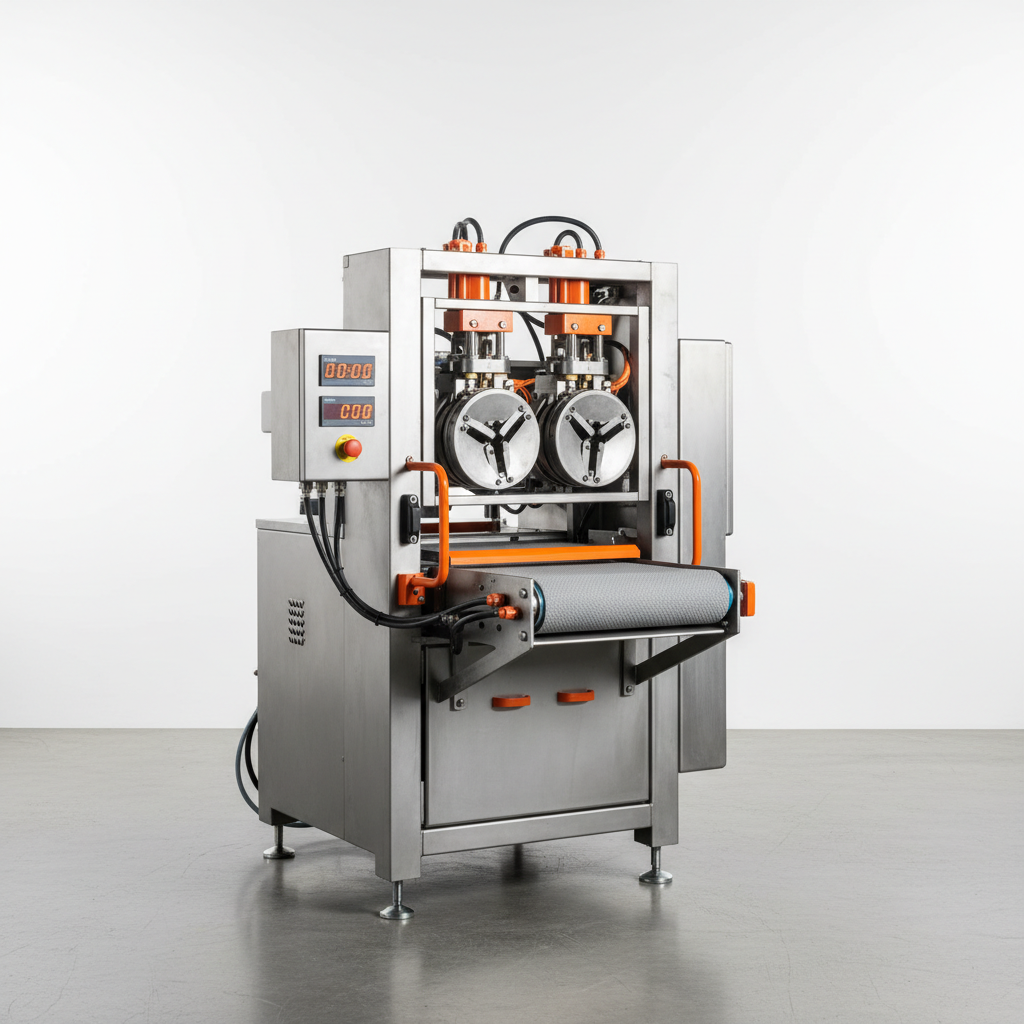
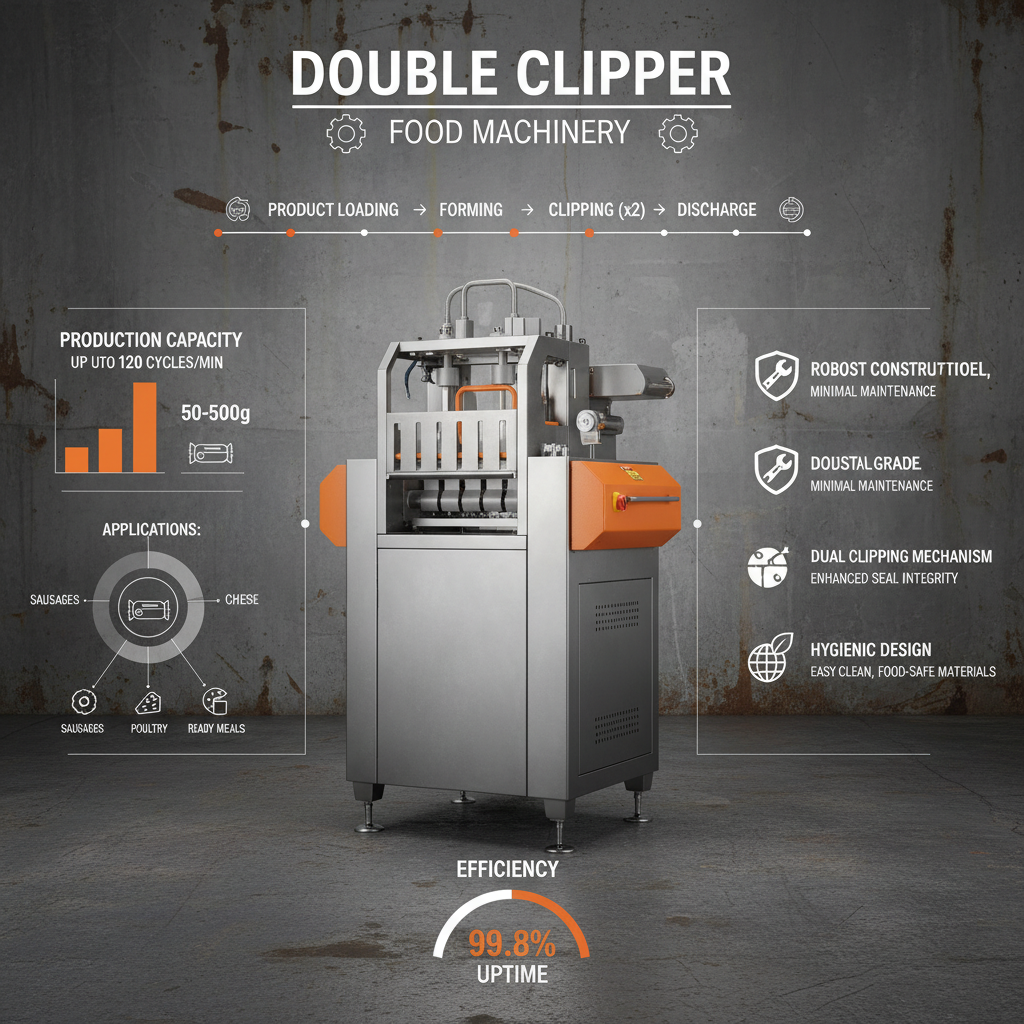
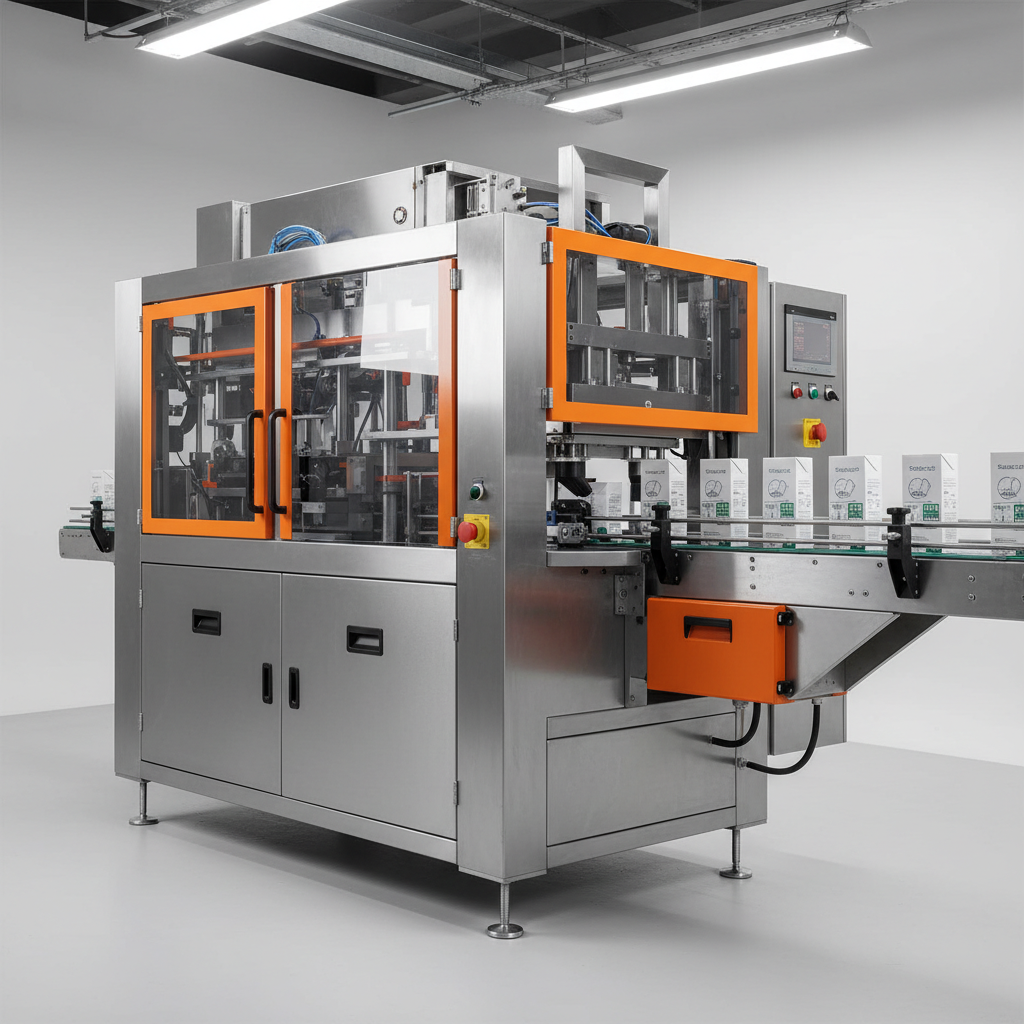
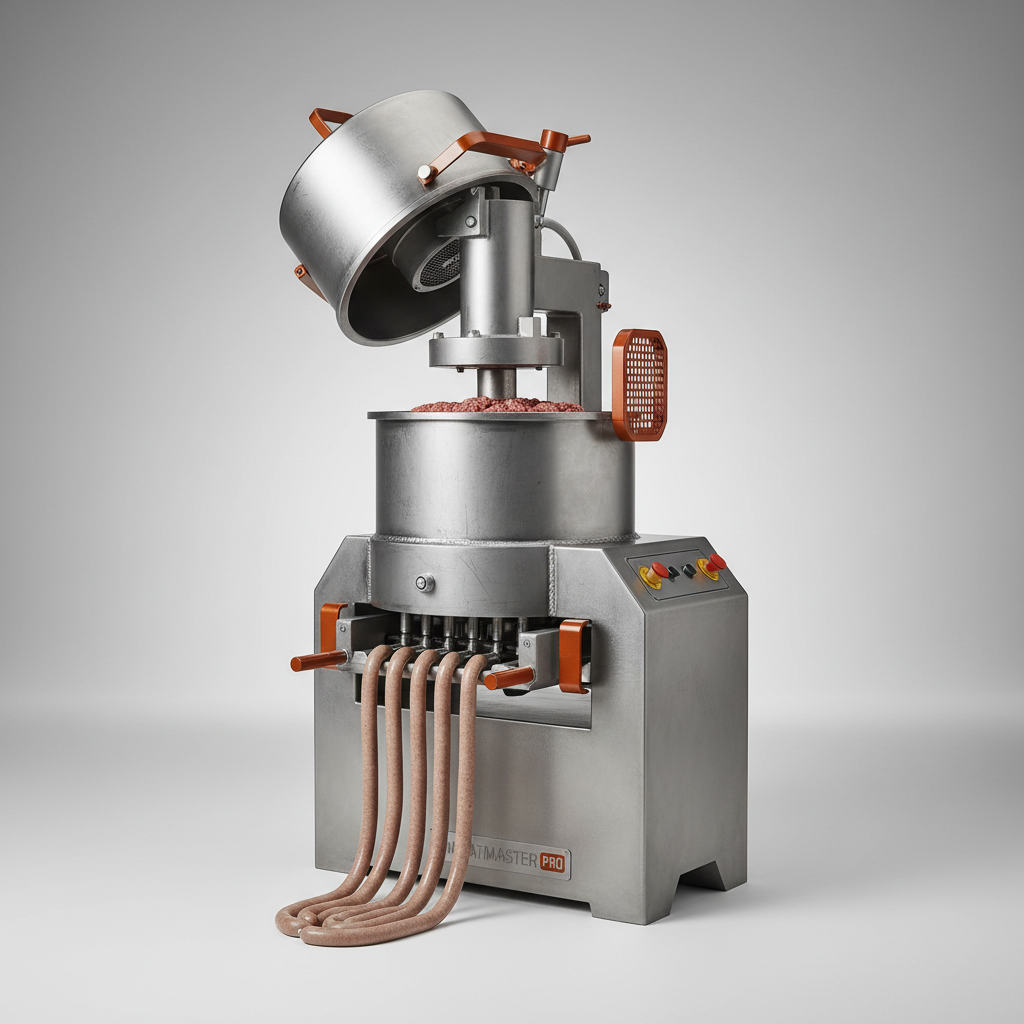
Innovative Double Clipper Technology for Rapid and Sustainable Infrastructure Solutions

The Core Principles of double clipper

Innovative Double Clipper Technology for Rapid and Sustainable Infrastructure Solutions

At its heart, the double clipper concept relies on modularity and standardization. This means components are designed to be easily assembled, disassembled, and reconfigured, minimizing specialized skills and reducing downtime. This core principle enables rapid adaptation to changing needs and environments.

A crucial aspect of the double clipper design philosophy is a focus on interconnectivity. Components aren’t isolated entities but rather integrate seamlessly to form a cohesive system. This interconnectedness ensures optimal performance and maximizes overall efficiency.

The Global Impact of double clipper Technology

The application of double clipper technology is far-reaching, impacting industries from manufacturing and construction to disaster relief and resource management. The United Nations estimates that over 600 million people globally lack adequate housing, a challenge double clipper solutions are directly addressing.

The World Bank highlights the importance of resilient infrastructure in promoting sustainable economic growth. Double clipper systems, with their adaptability and rapid deployment capabilities, contribute directly to this goal, reducing vulnerability to disruptions and fostering long-term stability.

Furthermore, ISO standards increasingly emphasize modularity and standardization in industrial processes. Double clipper technologies align perfectly with these standards, offering a streamlined and efficient approach to production and supply chain management.

Defining double clipper: A Technical Overview

In simple terms, a double clipper is a system designed around the principle of interlocking components, allowing for swift assembly and disassembly without specialized tools. This often involves precision-engineered interfaces and standardized connectors.

The core of the system frequently incorporates a load-bearing frame, typically constructed from high-strength materials like steel or aluminum, providing structural integrity. This frame serves as the foundation for attaching various modular components tailored to specific applications. The precise design and materials used are critical for ensuring long-term durability and performance.

The double clipper concept transcends a single product; it's a design philosophy applicable to a wide range of systems. It connects modern industry with essential humanitarian needs by enabling quick solutions to difficult problems, fostering adaptability and efficient resource utilization.

Key Factors Driving double clipper Effectiveness

Several factors contribute to the effectiveness of a double clipper system. Durability is paramount, requiring materials and construction techniques capable of withstanding harsh conditions and prolonged use.

Scalability is another key attribute, allowing the system to be easily expanded or contracted to meet changing requirements. This is achieved through the modular nature of the components, which can be added or removed as needed.

double clipper Performance Metrics


Global Applications and Real-World Use Cases

In post-disaster relief operations, double clipper systems are invaluable for rapidly establishing temporary shelters and medical facilities. Their ease of transport and assembly allow for immediate response, saving lives and minimizing suffering.

In remote industrial zones, double clipper offers a cost-effective solution for constructing temporary workshops, offices, and accommodation for workers. This reduces the need for expensive and time-consuming traditional construction methods.

Advantages and Long-Term Value Proposition

The tangible benefits of double clipper include significant cost savings due to reduced construction time and labor requirements. Its modularity promotes sustainability by allowing for easy adaptation and reuse of components.

Beyond the purely economic, double clipper fosters a sense of dignity and security for those benefiting from its applications, particularly in emergency situations. It represents a commitment to innovation and provides a trustworthy, reliable solution for a variety of challenges.

The inherent resilience and adaptability of the double clipper solution, coupled with its streamlined implementation, delivers exceptional long-term value by minimizing lifecycle costs and maximizing operational efficiency.

Future Trends and Innovations in double clipper

Ongoing research focuses on integrating renewable energy sources into double clipper structures, such as solar panels and wind turbines, to create self-sufficient and sustainable units. Digital twin technology is also being explored to optimize the design and performance of these systems.

The rise of automation and robotics is poised to further streamline the assembly and deployment of double clipper components. This will reduce labor costs and increase efficiency, making the technology even more accessible.

Policy initiatives promoting sustainable building practices and disaster preparedness are expected to drive increased demand for double clipper solutions. Government support and incentives will play a crucial role in accelerating the adoption of this transformative technology.

Core Component Analysis of double clipper Systems

Component Type Material Composition Average Lifespan (Years) Cost per Unit (USD)
Structural Frame High-Tensile Steel 25 500
Wall Panels Insulated Composite Material 15 150
Connector Joints Alloy Aluminum 20 50
Roofing Membrane Polymer Waterproofing 10 80
Window Units Double-Pane Glass 12 200
Door Modules Reinforced Composite 18 300

FAQS

What are the primary advantages of using double clipper over traditional construction methods?

The double clipper offers significantly faster deployment times, reduced labor costs, and increased adaptability compared to conventional construction. Its modular design minimizes on-site waste and allows for easy modification or expansion as needs change. Furthermore, it’s less susceptible to weather-related delays and logistical challenges, making it ideal for remote or emergency situations. The cost-effectiveness extends beyond initial build, impacting lifecycle expenses positively due to ease of maintenance and repair.

How durable are double clipper structures in harsh climates?

Durability is a core design principle of double clipper structures. They are engineered to withstand a range of environmental conditions, including extreme temperatures, high winds, and heavy precipitation. The materials used, such as high-tensile steel and insulated composites, are selected for their resilience and longevity. Specific designs can be customized for particularly demanding climates, incorporating features like reinforced foundations or enhanced insulation.

Is double clipper technology environmentally friendly?

Yes, double clipper promotes sustainability through reduced waste generation during construction, the potential for utilizing recycled materials, and the possibility of integrating renewable energy systems. Its modularity allows for deconstruction and reuse of components, minimizing landfill waste. Additionally, its reduced reliance on traditional construction processes lowers the carbon footprint associated with transportation and on-site activities.

What types of foundations are compatible with double clipper systems?

A variety of foundation types can be used with double clipper systems, depending on the soil conditions and intended use. Options include concrete slab foundations, pier and beam foundations, and even ground screw foundations for temporary applications. The modularity of the system allows for adaptability to existing foundation infrastructure in some cases, further reducing costs and environmental impact.

What are the logistical considerations for transporting double clipper components?

Double clipper components are designed for efficient transportation. The modular nature allows for compact packing, reducing shipping costs and minimizing the number of vehicles required. Standard shipping containers are commonly used for transport, and the components are designed to withstand the rigors of international shipping. Proper planning and coordination are essential for ensuring timely delivery and minimizing logistical challenges.

What level of skilled labor is required to assemble a double clipper structure?

One of the key benefits of double clipper is its ease of assembly. While some basic training is recommended, the system is designed to be intuitive and requires minimal specialized skills. The interlocking components and standardized connections simplify the process, reducing the need for highly skilled construction workers. This makes it particularly valuable in areas where skilled labor is scarce or expensive.

Conclusion

The double clipper represents a paradigm shift in infrastructure development, offering a versatile, sustainable, and cost-effective solution to a wide range of challenges. Its modularity, adaptability, and rapid deployment capabilities position it as a critical technology for addressing global needs in disaster relief, industrial expansion, and resource management. By embracing this innovative approach, we can build a more resilient and equitable future.

Investing in the development and deployment of double clipper technologies is essential for fostering sustainable growth and improving the quality of life for communities around the world. Further research and collaboration between industry, government, and humanitarian organizations will unlock the full potential of this transformative solution. Visit our website to learn more: www.ycmeatmech.com

David Chen

David Chen

David Chen is the Product Manager for Yuanchang’s filling and forming solutions. His background in industrial design allows him to continuously refine Yuanchang's sausage fillers and double clippers. David is responsible for identifying market trends and translating them into innovative product features. He closely collaborates with the R&D team to
Previous Advanced Meat Filling Machine Technology for Efficient Food Production
Next Advancements in Mechanical Clipper Technology and Global Industrial Applications