


The Ultimate Guide to Commercial Meat Department Equipment for Retail and Industry
Commercial Meat Department Equipment: A Global Perspective on Efficiency and Safety
When you think about the journey from farm to fork, the commercial meat department often gets overlooked, yet it is a pivotal link in ensuring that tasty steaks, juicy roasts, or ground meat reaches the consumer safely and efficiently. Commercial meat department equipment plays a crucial role in the entire meat supply chain, impacting food safety, operational efficiency, and ultimately, customer satisfaction. Worldwide, as the demand for meat rises—expected to reach 366 million tons by 2025, according to the UN FAO—the need for reliable and modern equipment becomes all the more pressing.
Understanding the ins and outs of this specialized equipment isn’t just for industry insiders. For wholesalers, retail chains, and even humanitarian agencies operating in food-scarce regions, knowing what commercial meat department equipment offers can transform how meat is processed and delivered. Plus, with modern sustainability concerns, efficiency improvements here can ripple outward, cutting waste and energy use.
Why Commercial Meat Department Equipment Matters on the Global Stage
The global meat industry is enormous and complex. According to the World Bank, meat production has grown steadily over the last two decades to meet escalating urban demand, especially in Asia and Africa. This scale brings challenges: contamination risks, spoilage, and inefficient handling practices cost billions annually and sometimes spark public health crises.
This is where commercial meat department equipment steps up—tools like meat slicers, grinders, refrigeration units, and vacuum packaging machines reduce manual errors and maintain hygiene standards mandated by organizations like the International Organization for Standardization (ISO 22000). They also speed up operations, crucial in busy retail or wholesale environments.
But... the question that often pops up is: how exactly are these machines defined and integrated into daily operations, especially globally?
What Exactly Are Commercial Meat Department Equipment?
Simply put, commercial meat department equipment refers to the collection of tools and machines designed specifically to process, store, and prepare meat in commercial settings—be it butcher shops, supermarket meat counters, or foodservice establishments.
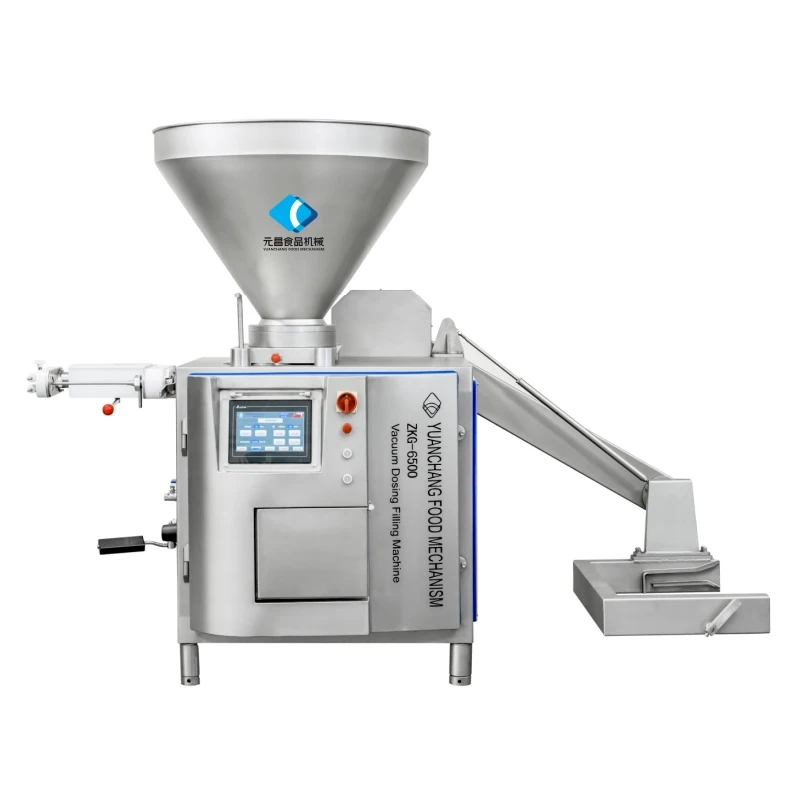
From a meat slicer that ensures uniform cuts, to heavy-duty grinders that maintain texture without heating the product, these appliances are engineered to meet stringent food safety regulations while maximizing throughput. Oddly enough, their design often balances durability with food-grade cleanliness—two demands that don’t always sit well together.
Beyond retail, these tools have a humanitarian tilt too. In disaster relief scenarios, for example, having mobile or modular meat-processing setups with reliable equipment can help deliver much-needed protein to affected populations without breaking cold chains.
Core Components That Make or Break Meat Department Operations
1. Durability and Hygiene
Meat equipment must stand up to harsh cleaning agents and frequent washdowns without corrosion or contamination risk. Stainless steel construction is standard, but certain plastics and metals get incorporated for specific parts to aid in cleaning and reduce bacteria build-up.
2. Scalability and Versatility
Whether running a small-town butcher or a chain supermarket, machines need to fit scale. Modular designs that let shops upgrade slicers or grinders in line with expanding business volumes are increasingly popular.
3. Energy Efficiency
Given that refrigeration and grinding are energy-intensive processes, equipment that delivers consistent performance with lower power usage can save operators significant costs in the long run.
4. Safety Features
Sharp blades and heavy motors require strict safety protocols—from emergency stop buttons to blade guards—to protect workers and reduce downtime due to accidents.
5. User-friendly Controls
Intuitive interface panels or touchscreens reduce training time and improve operational speed, making it simpler to adjust speeds, thickness, or packaging settings.
Mini Takeaway:
Before investing, consider equipment that balances durability with ease of cleaning, fits your operational scale, maximizes energy use, and puts safety first.
On the Ground: Global Use Cases of Commercial Meat Department Equipment
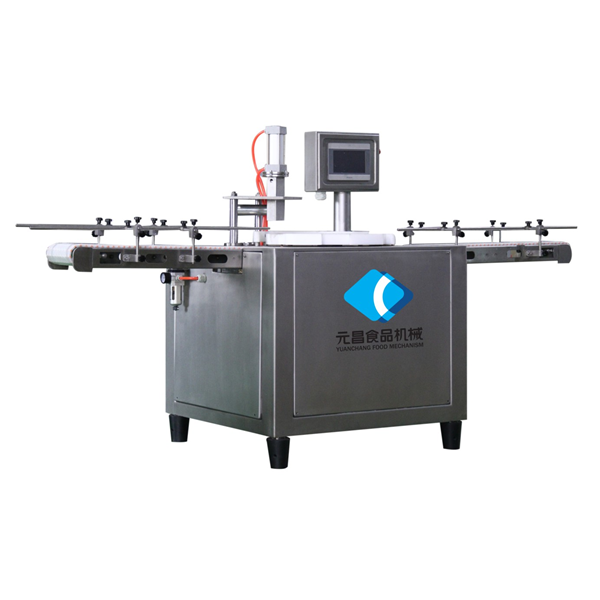
Across North America and Europe, large retailers like Walmart and Tesco rely on high-throughput grinders and slicers to serve millions weekly, often integrating commercial meat department equipment with automated packaging lines for speed and traceability.
In Asia, smaller but fast-growing markets often face supply bottlenecks, where adaptability is king. Compact, multi-function meat processing units are common in wet markets and smaller retail stores.
Notably, NGOs operating in disaster zones (think post-hurricane Caribbean or drought-hit parts of East Africa) deploy portable refrigeration units alongside basic meat-cutting machines to help set up temporary food distribution centers. These incredible efforts hinge on reliable, rugged equipment that can run on limited power grids—a real-world application that goes beyond the commercial realm.
Advantages and the Long-Term Value of Investing Wisely
On a purely financial level, investing in quality commercial meat department equipment cuts down on waste due to spoilage and misprocessing. Over time, this translates into significant savings. Plus, better blade technology and consistent portioning reduce product giveaway.
Socially, these improvements support food safety— a matter of public trust and reputation for retailers—and help workers stay safer. Emotionally, nothing beats the peace of mind knowing that every steak or burger patty was crafted with care, backed by the right tools.
On the sustainability front, modern equipment often incorporates energy-efficient components or recyclable materials, aligning with global efforts such as the ISO 14001 environmental management standards.
Product Specification Table
| Equipment | Material | Power Consumption | Capacity (kg/hr) | Safety Features |
|---|---|---|---|---|
| Industrial Meat Grinder | Stainless Steel | 2.5 kW | 250 | Blade guards, emergency stop |
| Meat Slicer | Aluminum and Steel | 0.5 kW | 100 | Blade shield, auto-stop sensor |
| Vacuum Packaging Machine | Food-grade Plastic & Steel | 1.0 kW | 50 packs/hr | Heat guard, emergency off button |
Who’s Leading the Way? Vendor Comparison
| Vendor | Product Range | Customization | Warranty & Support | Price Range |
|---|---|---|---|---|
| YC Meat Machinery | Comprehensive - slicers, grinders, packaging | High (modular upgrades) | 3 years, 24/7 online support | Mid to high |
| Prime Meat Tech | Focus on grinders and slicers | Medium (some custom features) | 2 years, phone support | Budget to mid |
| GreenPack Solutions | Vacuum packaging specialists | Low (standard units only) | 1 year, email support | Mid-range |
Future Trends in Meat Department Equipment
Digital transformation is waves ahead. IoT-enabled meat slicers with predictive maintenance alerts are becoming not just a dream but a reality. Meanwhile, automation and robotics are slowly creeping into packaging to speed lines without sacrificing hygiene.
Sustainability isn’t left behind: equipment incorporating green energy options, like solar-powered refrigeration or biodegradable packaging solutions, look like the future—especially in regions where power supply can be inconsistent.
Challenges Still on the Table
Of course, not everything is smooth sailing. The high upfront investment for top-tier commercial meat department equipment can be daunting for small businesses, often pushing them towards cheaper, less hygienic alternatives.
Then there’s the tricky issue of maintenance—especially in developing regions where expert repair services may be scarce. But there’s good news: some vendors now provide remote diagnostics and local training to tackle this head-on.
FAQ: Common Questions About Commercial Meat Department Equipment
-
What should I consider when choosing meat department equipment for a small butcher shop?
For small shops, prioritize equipment with compact footprints, ease of cleaning, and energy efficiency. Look for modular units that can be upgraded as your business grows. Also, verify safety features and warranty support to minimize downtime. -
Can commercial meat equipment ensure compliance with food safety standards?
Yes, modern equipment is designed to meet stringent regulations, including ISO 22000. Features like hygienic surfaces, automated cleaning cycles, and traceability integrations help ensure compliance and reduce contamination risks. -
How energy-intensive are these machines?
Power consumption varies: grinders may use 2–3 kW, slicers less than 1 kW, and vacuum machines around 1 kW. New designs emphasize reduced consumption without compromising performance, so opting for energy-efficient models can lower costs. -
Is it possible to customize equipment for specialty meat products?
Absolutely. Many manufacturers offer customizable blades, speed settings, or packaging options tailored to product type, whether you’re slicing prime rib or preparing seasoned ground meat. -
How can NGO’s source reliable equipment for disaster-relief meat processing?
NGOs should look for vendors offering rugged, portable solutions with remote support and easy assembly. Work with suppliers familiar with humanitarian logistics and check for certifications that guarantee reliability under challenging conditions.
Wrapping It Up: Why Commercial Meat Department Equipment Is a Smart Investment
Long story short, investing in the right commercial meat department equipment means more than just fancy machines. It’s about safeguarding food quality and worker safety while driving operational efficiency and sustainability. As global challenges like food security and climate change loom, smarter equipment choices will be pivotal.
If you’re serious about upgrading or stocking your meat department with industry-leading solutions, visiting commercial meat department equipment suppliers like YC Meat Machinery is a great place to start.
References

-
Efficient Meat Cubing Machine for Industrial Meat ProcessingNewsDec.09,2025
-
Meat Cube Cutter Machine – Efficient and Precise Meat Processing EquipmentNewsDec.09,2025
-
Machine Used To Cut Meat | High Performance Meat Cutting Machines for IndustryNewsDec.09,2025
-
Machine That Cuts Meat – Efficient, Durable Meat Processing Solutions for B2BNewsDec.09,2025
-
Machine Meat Cutter: Global Importance, Benefits & Future Trends ExplainedNewsDec.08,2025
-
Durable Machine Cut Meat Slicer for Industrial Efficiency | YC Meat MechNewsDec.08,2025