


Stand Mixer for Meat – Essential Equipment for Meat Processing Industries
Stand Mixer for Meat: An Essential Tool for Meat Processing
In the world of food manufacturing and meat processing, a stand mixer for meat is more than just a kitchen gadget — it’s a vital piece of equipment that shapes how efficiently and safely meat products reach our plates. From local butcher shops to large-scale processors, having the right stand mixer helps maintain quality, speed up production, and ensure consistent taste and texture. So why does this matter beyond the factory floor? Globally, as demand for meat products increases, especially in emerging markets, having reliable equipment that supports sustainability and meets health regulations is critical. Understanding this tool equips companies and professionals with an edge in a competitive and demanding sector.
Global Context: Why Stand Mixers for Meat Matter
Across the globe, meat consumption rose steadily over the last decades, according to the Food and Agriculture Organization (FAO) of the United Nations. Meat processing industries face pressures to improve efficiency while adhering to stricter food safety standards (FAO, 2023). For instance, in countries with booming urban populations like India, Brazil, and China, the scale and speed of meat processing are escalating rapidly. A reliable stand mixer for meat addresses a persistent challenge: how to mix ingredients thoroughly without compromising hygiene or product integrity.
Frankly, inconsistent mixing can lead to product defects, such as uneven flavor distribution or texture irregularities, which ultimately diminish consumer trust. Plus, manual mixing just doesn’t cut it anymore — it’s too slow and labor-intensive for modern demands.
What Exactly Is a Stand Mixer for Meat?
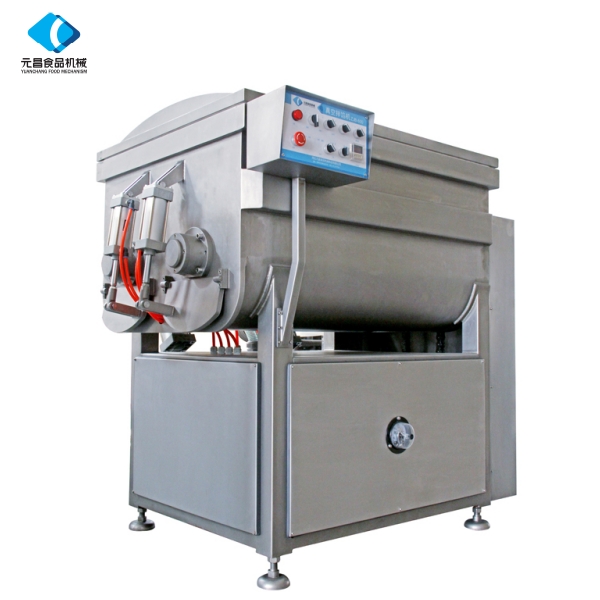
Simply put, a stand mixer for meat is a powered machine designed to mix, blend, and sometimes tenderize ground or minced meats before they’re formed into final products like sausages, patties, or meatloaf. Unlike your typical kitchen stand mixer, these machines are specifically engineered to handle heavier, tougher ingredients and incorporate seasoning or binders uniformly across large batches.
They’re indispensable in commercial settings where consistency and productivity can’t be compromised. You’ll often find them in butcheries, meat-processing plants, and even humanitarian food production lines aiming to produce high-protein products rapidly and safely.
Key Factors to Consider in a Stand Mixer for Meat
Durability and Material Quality
Meat mixers must withstand rigorous daily use. Stainless steel constructions resist corrosion and are easier to sanitize — a non-negotiable for food safety. The motor and transmission need quality engineering to manage dense material loads without burning out.
Capacity and Scalability
Depending on scale, mixers come in various batch sizes — from small 5-liter bowls for artisans to large 100+ liter tanks for industrial plants. Scalability is crucial; as production increases, upgrading equipment shouldn’t force relocating or massive workflow changes.
Speed and Mixing Controls
Variable speed settings allow operators to customize mixing intensity. Too vigorous, and the protein structures may break down excessively; too gentle, and the seasoning won’t disperse properly. A good mixer balances that flexibility.
Ease of Cleaning and Maintenance
Frequent cleaning is mandatory to avoid cross-contamination. Removable bowls or paddles reduce downtime. Also, intuitive maintenance access extends machine life and reduces costly repairs.
Safety Features
Safety interlocks and emergency stops protect operators, especially in high-speed machines. Regulations often require compliance to certain standards, such as ISO 22000 for food safety management.
Stand Mixer for Meat: Specification Snapshot
| Feature | Typical Value | Notes |
|---|---|---|
| Capacity | 20 - 100 liters | Varies by model and usage scale |
| Motor Power | 1.5 - 5 HP | Robust for dense meat mixtures |
| Material | Stainless steel (AISI 304/316) | Ensures hygiene and corrosion resistance |
| Speed Settings | Variable, 20-120 RPM | Allows flexible mixing intensity |
| Safety Features | Emergency stops, interlock lids | Critical for operator protection |
Global Applications & Use Cases
Stand mixers for meat are used worldwide across multiple sectors. In Europe and North America, large meat processors rely on these machines to produce sausages, meatballs, and precooked meat products that fuel supermarket chains. In countries like Brazil and Australia, which are major meat exporters, stand mixers support the massive throughput needed to meet export demands.
Oddly enough, they also play a quiet, sometimes overlooked role in humanitarian efforts. In post-disaster zones or refugee camps, where large-scale food production is necessary but resources are limited, portable meat mixers help cook nutritious meals quickly. Non-governmental organizations (NGOs) appreciate mixers that are easy to clean and maintain in field conditions.
Vendor Comparison: Key Players in Stand Mixers for Meat
| Vendor | Price Range | Capacity | Special Features | Warranty |
|---|---|---|---|---|
| MeatPro Solutions | $8,000 - $15,000 | 30-100 liters | Automated speed controls, easy clean | 2 years |
| Global MeatTech | $6,000 - $12,000 | 20-80 liters | Compact design, energy efficient | 1.5 years |
| ButcherMix Corp. | $9,500 - $16,500 | 40-110 liters | Advanced safety features, noise reduction | 3 years |
Advantages & Long-Term Value
- Consistent Quality: Uniform mixing guarantees taste and texture standards.
- Operational Efficiency: Saves labor hours and reduces manual fatigue.
- Safety & Hygiene: Meets food safety standards minimizing contamination risks.
- Cost Savings: Durable construction means fewer replacements and repairs.
- Social Impact: Supports large-scale food programs ensuring food security.
The emotional aspect — knowing the meals made are safe and consistent — cannot be overstated. In many ways, a stand mixer for meat is a quiet but profound contributor to trust in food supply chains worldwide.
Future Trends & Innovations
Several exciting trends are shaping the future of meat mixers. First, “smart” mixers with IoT connectivity allow real-time monitoring and predictive maintenance, reducing downtime. Second, sustainability is a growing concern, so manufacturers are developing mixers that consume less energy and use recycled materials. Automation continues to evolve, with integrated systems that link mixing with filling and packaging. Some companies are even exploring hybrid mixers that handle plant-based and cultured meat alternatives efficiently.
Challenges & Solutions
Despite advancements, challenges remain. Cleaning large, complex mixers can be time-consuming. Some small to mid-sized operations find upfront costs prohibitive. Also, varying meat compositions require adaptable technology to avoid over- or undermixing.
Innovative modular designs and leasing models help lower financial barriers. Advances in materials and ergonomics improve cleaning and maintenance routines. And training programs ensure operators optimize machine settings for varying recipes and product lines.
FAQ: Frequently Asked Questions About Stand Mixers for Meat
Q: What capacity should I choose for a small butcher shop?
A: For small to medium butcheries, a stand mixer with 20-50 liters capacity often suffices. It balances batch size and ease of maneuvering, without overwhelming space or investment.
Q: How important is variable speed in a stand mixer for meat?
A: Very important. Variable speed allows you to adjust mixing intensity, ensuring even seasoning without breaking down meat texture excessively.
Q: Can these mixers handle other ingredients like vegetables or spices?
A: Absolutely, many mixers accommodate multi-ingredient batches. However, it’s vital to clean thoroughly between varied mixtures to avoid cross-contamination.
Q: Are stand mixers for meat energy intensive?
A: Some models consume a moderate amount of energy depending on motor power and use frequency. Energy-efficient designs are increasingly available, so checking specs helps optimize operating costs.
Q: How can I maintain hygiene standards effectively?
A: Regular cleaning after each batch, using food-safe sanitizers and ensuring removable parts are accessible is essential. Look for mixers with CIP (clean-in-place) options to streamline this process.
Conclusion: Why Invest in a Stand Mixer for Meat?
In real terms, a stand mixer for meat isn’t just a machine — it’s an investment in quality, safety, and efficiency that pays dividends over time. Whether your goal is scaling up production, ensuring consistent product standards, or meeting stringent food safety demands, this tool is central to success.
For those interested in learning more or sourcing tailored equipment, visiting our site is a good next step towards upgrading your meat processing capabilities.
Mini takeaway: Choosing the right stand mixer for meat can transform your production workflow, guaranteeing consistent quality while respecting hygiene and safety standards crucial in today’s food industry.
References:
- FAO. “World Meat Market Review.” Food and Agriculture Organization of the United Nations, 2023.
- ISO 22000:2018 – Food safety management systems – Requirements for any organization in the food chain.
- Meat Industry Trends Report, Global Meat News, 2024.
-
Efficient Meat Cubing Machine for Industrial Meat ProcessingNewsDec.09,2025
-
Meat Cube Cutter Machine – Efficient and Precise Meat Processing EquipmentNewsDec.09,2025
-
Machine Used To Cut Meat | High Performance Meat Cutting Machines for IndustryNewsDec.09,2025
-
Machine That Cuts Meat – Efficient, Durable Meat Processing Solutions for B2BNewsDec.09,2025
-
Machine Meat Cutter: Global Importance, Benefits & Future Trends ExplainedNewsDec.08,2025
-
Durable Machine Cut Meat Slicer for Industrial Efficiency | YC Meat MechNewsDec.08,2025