


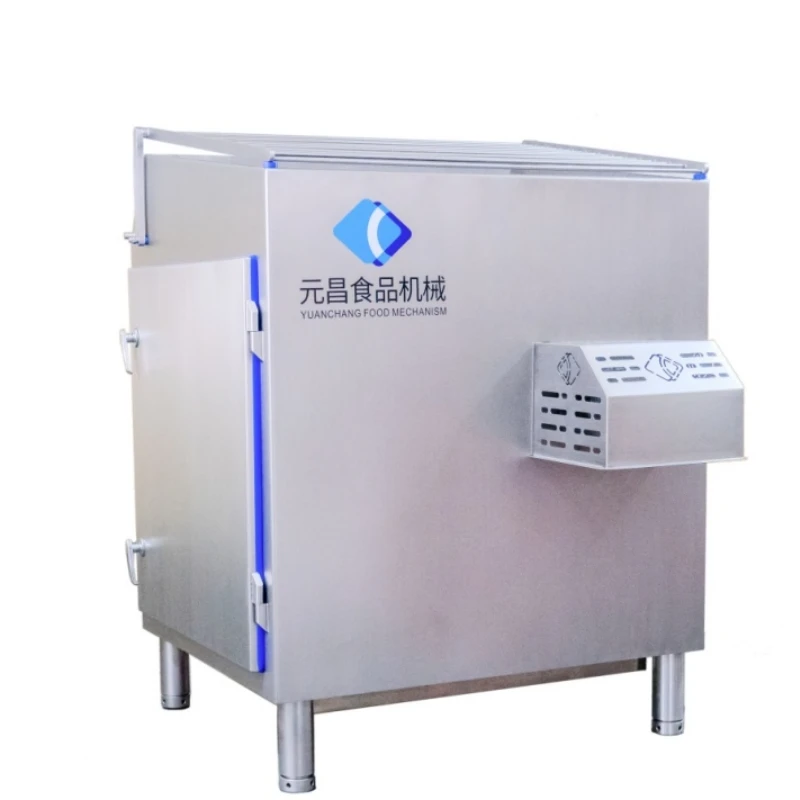
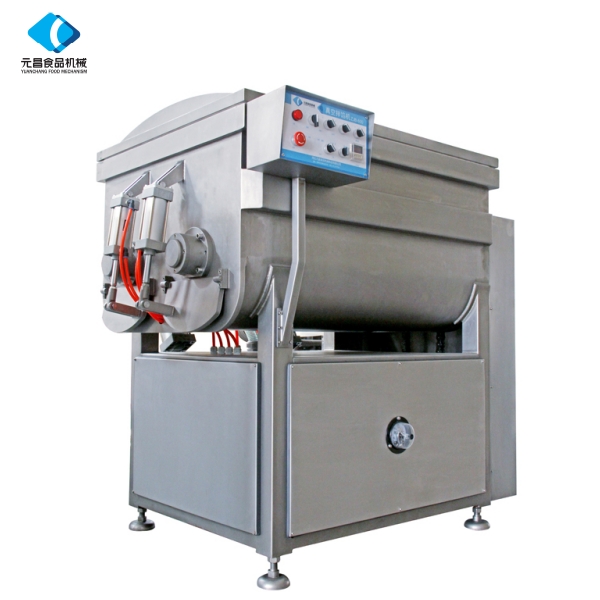
Stainless Steel Meat Mixer – Durable, Hygienic, Efficient Mixing Equipment
The Stainless Steel Meat Mixer: A Reliable Workhorse in Food Processing
Having spent more than a decade in the industrial equipment sector, I've seen my fair share of machines come and go. But stainless steel meat mixers? They’ve always stood out as essential tools in meat processing plants worldwide. Stainless steel meat mixer units, frankly, are a testament to practical engineering meeting hygienic requirements in food production.
When you think about the meat processing line, the mixer might not be the flashiest piece of equipment, but it’s what makes the difference between consistent, quality sausage and a batch that falls flat. What I find fascinating is how the industry keeps improving these mixers, primarily through material choices and design tweaks.
Industrial meat mixers are mostly made of high-grade stainless steel — usually 304 or 316 grade — because it’s corrosion resistant and easy to clean, which is non-negotiable in food safety. Stainless steel also stands up well to heavy-duty use, which you get in commercial meat processing facilities where mixers run multiple cycles daily.
An interesting anecdote: years ago, at a mid-size plant, the operators switched from a lower-quality mixer to a stainless steel meat mixer line. The difference wasn’t just in the final product texture but also in maintenance downtime. They told me how, suddenly, cleaning became less of a chore and equipment wear was noticeably less frequent.
Product Highlights & Specifications
| Feature | Specification |
|---|---|
| Material | 304 / 316 Stainless Steel |
| Capacity Range | 50kg to 500kg per batch |
| Mixer Type | Paddle and Ribbon Mixers available |
| Drive System | Gearbox with variable speed inverter control |
| Safety Features | Emergency stops and interlocked covers |
| Cleaning | CIP (Clean-In-Place) friendly design |
| Power Supply | 220V / 380V Options |
Customization is quite common for these mixers — companies often request specific batch sizes, motor power, or even tailored mixing paddles depending on the meat type or recipe. I suppose this flexibility is what makes them so widely adopted.
Vendor Comparison: Choosing the Right Stainless Steel Meat Mixer Supplier
| Vendor | Build Quality | Customization Options | Delivery Time | After-Sales Support |
|---|---|---|---|---|
| YC Meat Machinery | High-grade Stainless Steel & Durable | Wide Range, Including Custom Engineering | 4–6 Weeks | Responsive & Experienced |
| Vendor A | Good, but some plastic parts used | Limited | 6–8 Weeks | Average |
| Vendor B | Stainless steel but less polished finish | Moderate | 5–7 Weeks | Good |
Oddly enough, when we discuss mixers with engineers or plant operators, many highlight not just the specs but how straightforward the equipment is to maintain and clean. It’s the behind-the-scenes ease that often tips a purchase decision in favor of one supplier or another. As much as high specs are impressive on paper, real-world operational reliability is king.
In real terms, the stainless steel meat mixer from YC Meat Machinery packs both reliability and adaptability, which fits tightly with the demands of modern food safety standards and production efficiency. Their machines feel robust and are designed to minimize downtime — that’s what I’ve noticed after a good amount of field visits.
To sum up, investing in a quality stainless steel meat mixer isn’t just about mixing meat. It’s about reducing waste, improving product consistency, and meeting stringent hygiene norms — all with equipment that just keeps going without fuss. If you ask me, it’s one of those quietly invaluable tools in any meat processing line.
Thanks for reading — next time you bite into a well-mixed sausage, give a little credit to that faithful stainless steel mixer humming behind the scenes.
References:
1. Meat Processing Equipment Insights, FoodTech Journal 2022
2. YC Meat Machinery Official Specs & Data Sheet
3. Interview Notes from Industry Professionals, 2023
-
Efficient Meat Cubing Machine for Industrial Meat ProcessingNewsDec.09,2025
-
Meat Cube Cutter Machine – Efficient and Precise Meat Processing EquipmentNewsDec.09,2025
-
Machine Used To Cut Meat | High Performance Meat Cutting Machines for IndustryNewsDec.09,2025
-
Machine That Cuts Meat – Efficient, Durable Meat Processing Solutions for B2BNewsDec.09,2025
-
Machine Meat Cutter: Global Importance, Benefits & Future Trends ExplainedNewsDec.08,2025
-
Durable Machine Cut Meat Slicer for Industrial Efficiency | YC Meat MechNewsDec.08,2025