


Mince Meat Machines: Global Insights, Benefits & Industry Trends
Understanding Mince Meat Machines: A Global Perspective
At first glance, mince meat machines might sound like simple kitchen appliances reserved for chefs or butchers. But frankly, they represent a crucial technology underpinning an entire global industry — meat processing. Why care about mince meat machines beyond the food sector? Globally, meat consumption continues to rise, and efficient, reliable machinery to process meat safely is paramount. These machines not only speed up production but also help maintain hygiene and traceability, essential in a world increasingly focused on food safety and sustainability.
Understanding mince meat machines is a gateway to grasping how modern food systems meet both commercial demands and humanitarian needs — from bustling factories in Europe to remote aid operations in Africa.
Global Industry Context: Why Mince Meat Machines Matter
According to the United Nations Food and Agriculture Organization (FAO), global meat production has doubled over the past 30 years, surpassing 340 million tonnes annually. The World Bank projects a continued upward trend tied to population growth and urbanization. Meet that demand without efficiency losses or risks to food safety, and you rely heavily on industrial mince meat machines.
However, despite the growth, many regions still face challenges with aging equipment, poor sanitation, and limited access to advanced processing technology. Mince meat machines address these by automating cutting, grinding, and mixing, which enhances product consistency and reduces human contamination. Oddly enough, improving such tech could help reduce food waste and improve nutritional outcomes globally.
What Are Mince Meat Machines?
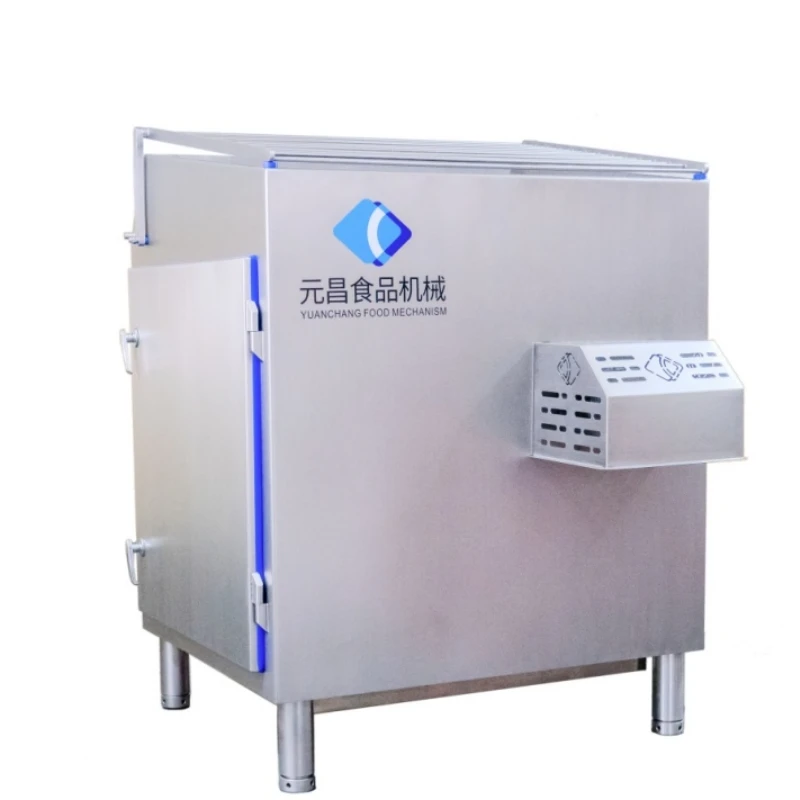
Put simply, mince meat machines are mechanical systems designed to grind, cut, and sometimes mix raw or cooked meat into uniform minced products. They vary from small-scale units used in local butcher shops to large, automated lines in mega food processing plants.
On a more technical note, these machines typically consist of a feeding mechanism, grinding blades or plates, and an output system. Their purpose extends beyond just mincing — they enable the integration of spices and other additives for processed meat products like sausages or patties.
In essence, they are the backbone of modern meat product manufacturing, facilitating high throughput with hygiene and repeatability — critical in both industrial and humanitarian applications (e.g., feeding crisis zones efficiently).
Key Factors of Mince Meat Machines
- Durability: Machines need to withstand continuous operation amid corrosive meat fluids and frequent cleaning with harsh chemicals. Stainless steel construction and sealed motors are standard.
- Scalability: Systems range from manual hand-operated units to fully automated lines with massive throughput — scalable to manufacturer size and production goals.
- Hygiene & Safety: Featuring easy disassembly, sanitizable surfaces, and compliance with ISO 22000 (Food Safety Management), these machines help prevent contamination.
- Energy Efficiency: Modern models incorporate energy-saving motors and designs, crucial for reducing operational costs and environmental footprint.
- Cost Efficiency: Balancing upfront investment with maintenance ease and spare parts availability often determines the machine's viability in different markets.
Each of these factors is intertwined with practical realities: a plant in Indonesia prioritizes corrosion resistance, while NGOs in sub-Saharan Africa value portability and ease of maintenance above all.
Mini takeaway: Mince meat machines are complex, purpose-built tools designed to optimize meat processing for diverse and demanding industry scenarios.
Global Applications and Use Cases of Mince Meat Machines
Industries across continents employ mince meat machines — from huge beef and pork processing plants in the US and EU to smaller meat packaging businesses in South America and Asia. Here are some notable examples:
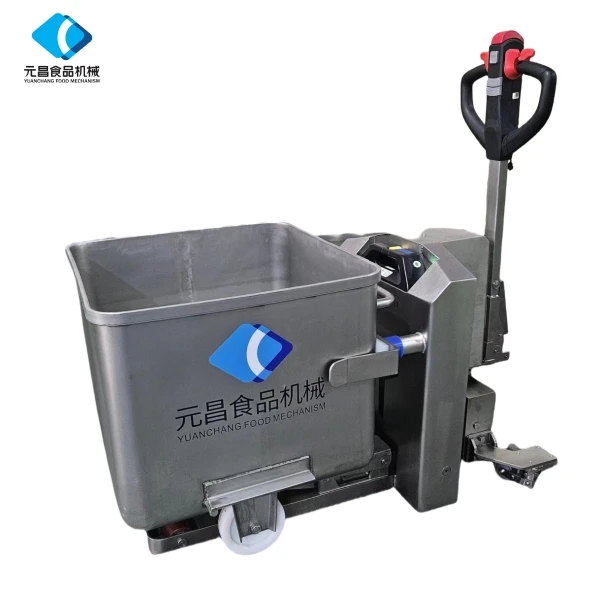
- Post-disaster Relief Operations: Organizations distribute pre-processed meat to displaced populations using mobile mince meat units, speeding food preparation while preserving dignity.
- Remote Industrial Zones: Mining camps in Australia and Canada rely on onsite meat mincing for staff kitchens, cutting supply chain dependence.
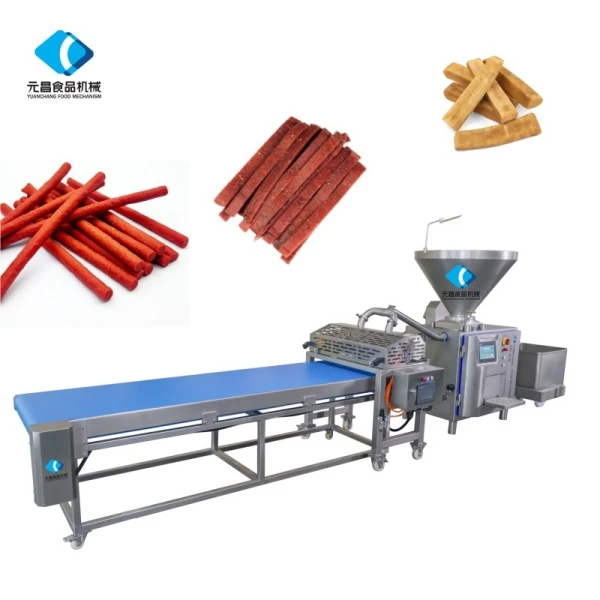
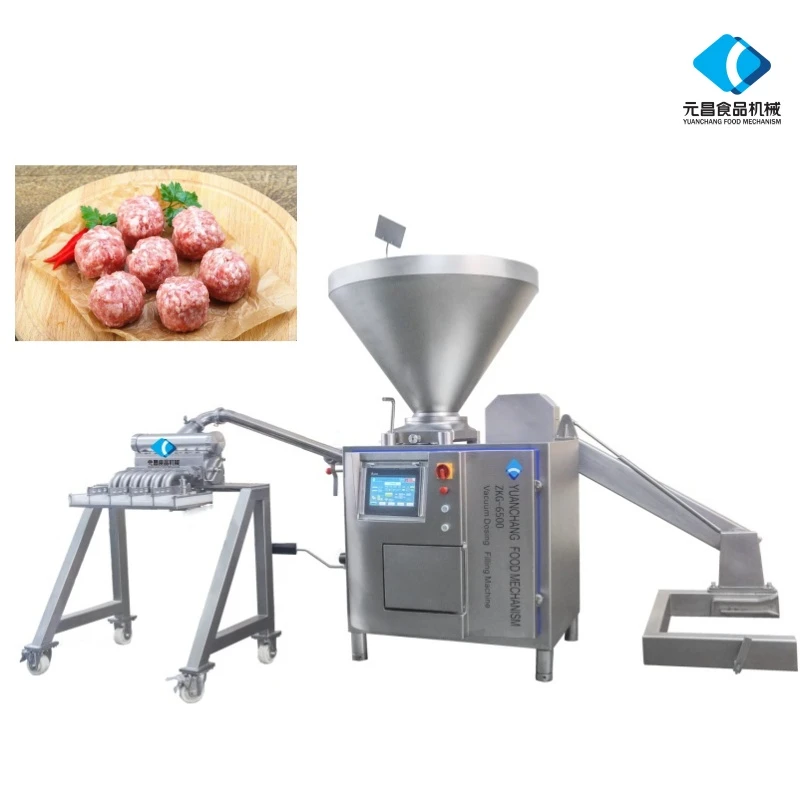
- Large-Scale Food Manufacturing: Mince meat machines integrate into automated systems producing sausages, burger patties, and canned meats, critical for retail and foodservice.
Various regions have tailored requirements; for example, North African markets prefer machines capable of processing traditional meat blends, emphasizing machine versatility.
Advantages and Long-Term Value of Investing in Mince Meat Machines
Choosing the right mince meat machine unlocks several benefits:
- Cost Reduction: Automation means fewer labor hours and less waste.
- Consistent Product Quality: Ensures uniform texture, taste, and safety.
- Sustainability: Efficient resource use reduces environmental impact.
- Social Impact: Enhances food security through scalable production.
- Trust and Innovation: Modern machinery builds brand reliability with cutting-edge technology.
It’s also a reassuring fact that many machines align with global food safety standards, mitigating risks and boosting consumer confidence.
Future Trends & Innovations in Mince Meat Machinery
The industry isn’t standing still. Emerging tech promises exciting shifts:
- Digital Transformation: IoT-enabled machines offer remote monitoring, predictive maintenance, and seamless quality control.
- Green Energy Integration: Solar-powered and energy-efficient motors reduce carbon footprint.
- Automation & Robotics: Fully automated lines that handle everything from raw meat input to packaged output.
- Advanced Materials: Use of antimicrobial coatings and lightweight composites for hygiene and durability.
Such trends make the future of mince meat processing leaner, smarter, and more environmentally sensitive.
Challenges & Modern Solutions
Some hurdles remain:
- High Capital Costs: Advanced equipment can be prohibitively expensive for small operators.
- Skill Gaps: Operating and maintaining sophisticated machinery requires trained personnel.
- Supply Chain Issues: Replacement parts or technical support may be sparse in remote areas.
Though not trivial, these issues are being tackled by modular designs that simplify maintenance, leasing models that reduce upfront burden, and technical training programs sponsored by manufacturers.
Product Specification Table: A Mid-Range Industrial Mince Meat Machine
| Specification | Details |
|---|---|
| Power Consumption | 3 kW |
| Throughput | 400 kg/hour |
| Material | Food-grade stainless steel 304 |
| Dimensions (LxWxH) | 1200 x 600 x 1300 mm |
| Safety Features | Emergency stop, safety interlocks |
| Cleaning | Tool-less rapid disassembly |
Vendor Comparison: Popular Mince Meat Machines by Brand
| Feature | Brand A | Brand B | Brand C |
|---|---|---|---|
| Price Range | $8,000–$12,000 | $10,000–$15,000 | $7,000–$11,000 |
| Warranty | 2 years | 3 years | 1 year |
| Automation Level | Semi-automatic | Fully automatic | Semi-automatic |
| Energy Efficiency | Good | Excellent | Average |
| Global Support | Limited | Extensive | Regional |
FAQ: Frequently Asked Questions About Mince Meat Machines
- What types of meat can mince meat machines process?
- Most mince meat machines are designed to handle beef, pork, poultry, lamb, and even fish. Some models accommodate mixed or cooked meats, but it’s essential to verify the machine’s specs for tougher meats or bones.
- How do I ensure hygiene and safety when operating these machines?
- Regular cleaning with approved sanitizers, following manufacturer guidelines for disassembly, and ensuring operators wear protective gear help maintain hygiene. Compliance with food safety standards like ISO 22000 is also key.
- Are there portable mince meat machines for use in remote locations?
- Yes, several manufacturers offer compact, manual or electrically powered machines designed for mobility and easy maintenance, ideal for field or relief situations.
- What maintenance is required for long-term machine reliability?
- Routine inspection and replacement of blades, lubrication of moving parts, and periodic motor servicing are fundamental. Detailed maintenance schedules are usually provided by the vendor.
- How do mince meat machines contribute to sustainability?
- By improving efficiency and reducing product waste, these machines help conserve resources. Energy-saving designs and recyclable materials further minimize environmental impact.
Conclusion: Why Invest in Mince Meat Machines?
In real terms, mince meat machines are far more than just grinders. They’re a pivotal part of how the global food system transforms raw protein into safe, accessible meat products. Their role touches industry giants and humanitarian projects alike, driving efficiency, safety, and sustainability.
If your business or organization is exploring solutions to scale or modernize your meat processing, it might be time to consider the right mince meat machines tailored to your needs. For detailed options and expert advice, visit our website: mince meat machines.
Mini takeaway: The future of food processing is intertwined with improving and deploying advanced mince meat machines worldwide — and that’s quite exciting.
Brief Reflection & References
Drafting this overview, it struck me how interconnected technology, food security, and sustainability truly are. The engineering behind mince meat machines might seem technical, yet their impact is deeply human.
-
Efficient Meat Cubing Machine for Industrial Meat ProcessingNewsDec.09,2025
-
Meat Cube Cutter Machine – Efficient and Precise Meat Processing EquipmentNewsDec.09,2025
-
Machine Used To Cut Meat | High Performance Meat Cutting Machines for IndustryNewsDec.09,2025
-
Machine That Cuts Meat – Efficient, Durable Meat Processing Solutions for B2BNewsDec.09,2025
-
Machine Meat Cutter: Global Importance, Benefits & Future Trends ExplainedNewsDec.08,2025
-
Durable Machine Cut Meat Slicer for Industrial Efficiency | YC Meat MechNewsDec.08,2025