


Meat Tenderising Machine: Enhancing Meat Quality, Sustainability & Global Food Processing
Meat Tenderising Machine: Unlocking Flavor and Global Efficiency
At first glance, a meat tenderising machine might seem like just another kitchen gadget or industrial tool. But in reality, it’s a key player in both food processing industries worldwide and even humanitarian efforts. Why does it matter? Because tenderising meat improves texture, taste, cooking efficiency, and—frankly—reduces food waste. Understanding how these machines function and their broader implications connects us directly to global food security challenges and sustainable meat processing.
Global Context: Why Tenderising Machines Matter Today
Globally, meat consumption is on a steady rise. According to the Food and Agriculture Organization (FAO) of the United Nations, total meat production surpassed 340 million tonnes in 2022. But tender, flavorful meat isn’t just a luxury—it’s essential for consumer satisfaction and market competitiveness. Meat tenderness affects not only the eating experience but also the price point and perceived quality.
However, producing consistently tender meat is challenging due to factors like animal breed, age, and feed. Enter the meat tenderising machine, which tackles these issues head-on. For processors and butchers worldwide, these machines ensure tougher cuts don’t go to waste, improving yield and profitability.
What is a Meat Tenderising Machine?
Simply put, a meat tenderising machine is a device engineered to mechanically soften meat fibers through puncturing, pressing, or puncture-rolling methods—making the meat easier to cook, more flavorful, and tender. Most models utilize blades, needles, or rollers to break down the muscle structure. This is highly relevant not only to modern meat processing plants, but also in places where quick, efficient food prep is a must, such as military bases or emergency relief operations.
Core Components and Features of Meat Tenderising Machines
1. Durability
Since these machines often handle tough, fibrous meats repeatedly, they’re built with stainless steel and high-grade alloys to resist corrosion and wear. Durability ensures consistent operation over years—precisely what commercial kitchens need.
2. Scalability
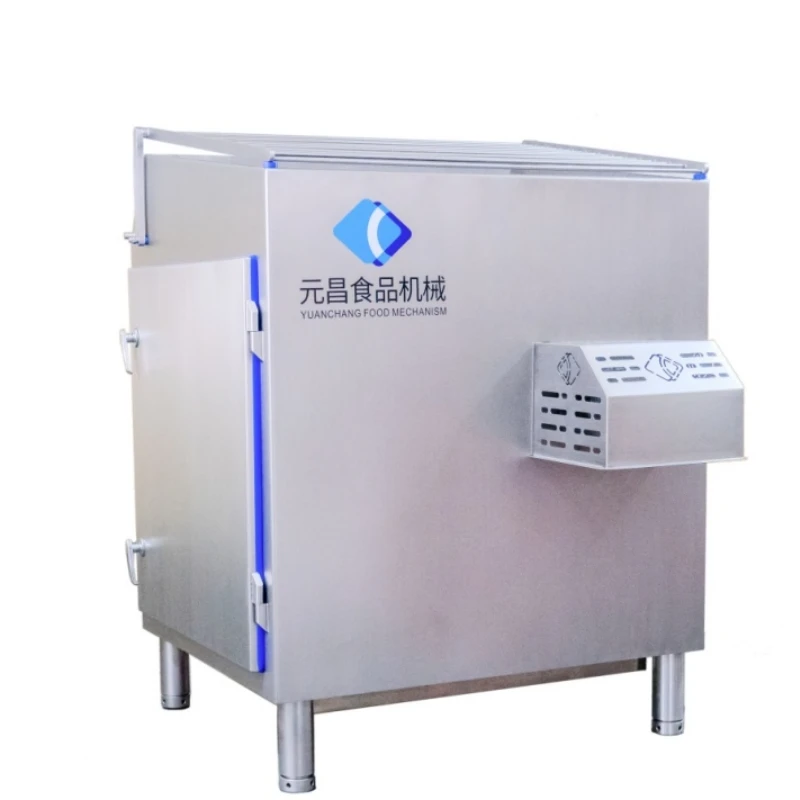
Models range from handheld devices for small butcher shops to large industrial units capable of processing hundreds of kilograms per hour. This scalability means the technology suits both small businesses and multinational processors.
3. Cost Efficiency
By tenderising cheaper or tougher cuts, these machines reduce reliance on expensive premium meat. The return on investment can be swift, as they minimize cooking times and elevate product quality.
4. Hygiene and Safety
Sanitation is paramount. Machines are designed for easy disassembly and cleaning, minimizing contamination risks—a factor that aligns with international food safety standards like ISO 22000.
5. Automation & Control Features
Modern tenderisers often include programmable settings for blade depth and speed, adapting the process to specific meat types—oddly enough, giving operators precise control over tenderness.
Typical Specifications of a Leading Model
| Specification | Details |
|---|---|
| Blade Type | Stainless steel needle blades |
| Power Supply | Electric, 220-240V, 50/60Hz |
| Capacity | Up to 300 kg/hour |
| Dimensions (LxWxH) | 800 x 600 x 1200 mm |
| Weight | 85 kg |
Global Applications & Use Cases of Meat Tenderising Machines
In developed countries, these machines are mainstays in industrial meat processing plants, ensuring high throughput and product consistency. But they also have a surprising role in humanitarian contexts. For example, in post-disaster relief, organizations rely on tenderising machines to quickly prepare protein-rich meals that are easier for vulnerable populations to digest. Remote industrial zones, such as mining camps in Australia or oil rigs in the North Sea, also benefit from compact models reducing preparation time in limited kitchens.
- Asia-Pacific: Rapidly growing meat markets employ machines to meet increasing consumer demand.
- Europe: Focus on product quality and compliance with stringent food safety laws.
- Africa: Emerging meat industries incorporate tenderisers to add value to local livestock.
Oddly enough, some artisanal butchers use these devices to engineer unique flavor experiences, showing the design flexibility of meat tenderising devices.
Advantages and Long-Term Value
Tenderising machines bring several tangible benefits beyond texture enhancement:
- Cost Savings: Using less expensive cuts effectively reduces overall meat costs.
- Enhanced Sustainability: Decreasing food waste by improving toughness in older animals or lower-grade cuts.
- Social Impact: Providing easier-to-eat protein improves nutrition, especially in elder care or hospital settings.
- Consistency & Trust: Reliable equipment builds consumer confidence in product quality and food safety.
In real terms, these machines help bridge the gap between supply constraints and growing global demand, which frankly, can be a tricky balance.
The Future of Meat Tenderising Machines
Looking ahead, we can expect the integration of IoT and automation technologies to optimize tenderness profiles. Energy-efficient motors and environmentally friendly materials will reduce ecological footprints. Some companies are experimenting with AI to adjust blade pressure based on real-time meat quality sensors—cutting-edge stuff that could revolutionize the industry.
Challenges and Solutions
Of course, challenges remain. For one, maintenance of blade sharpness can be demanding, and improper use may damage meat texture. There’s also the upfront cost barrier for small-scale producers. Solutions include modular equipment designs for easier servicing, user training programs, and financing models tailored for emerging market businesses.
Vendor Comparison: Leading Meat Tenderising Machines
| Vendor | Price Range | Capacity (kg/hr) | Key Features | Warranty |
|---|---|---|---|---|
| TenderTech | $4,000 - $7,000 | 150 - 500 | Adjustable needle depth, stainless steel | 2 years |
| MeatPro | $3,500 - $6,500 | 100 - 400 | Compact design, energy efficient | 1.5 years |
| EcoTender | $5,000 - $8,000 | 200 - 600 | Green energy usage, IoT enabled | 3 years |
FAQ: Frequently Asked Questions About Meat Tenderising Machines
- How does a meat tenderising machine improve cooking times? By breaking down muscle fibers, these machines reduce the toughness of cuts, allowing heat to penetrate faster and evenly during cooking, which means quicker and juicier results.
- Are mechanical tenderisers safe to use in commercial kitchens? Yes, provided they are maintained and cleaned regularly according to manufacturer guidelines and comply with local food safety standards such as ISO 22000.
- Can I tenderise any type of meat with these machines? Most machines handle beef, pork, lamb, and even poultry. However, very delicate meats or thin cuts may require gentler settings or manual tenderising.
- Is a meat tenderising machine cost-effective for small businesses? Smaller models exist that are affordable and scalable, making them a smart investment by reducing waste and enhancing product appeal.
- Do tenderising machines alter the nutritional content of meat? The process mainly affects texture and moisture retention; it does not significantly change the nutritional profile.
Conclusion: Embracing the Tenderising Advantage
In the end, investing in a meat tenderising machine isn’t just about improving texture or flavor—though those benefits are undeniable. It’s about evolving with a global market focused on sustainability, quality, and efficiency. Whether in a sprawling meat processing factory or a remote relief camp, these machines empower better utilization of resources and ensure millions enjoy delicious, nutritious meals.
For those interested in exploring advanced options or more detailed specifications, visit our website to find the perfect meat tenderising solution tailored to your needs.
Oddly enough, it’s sometimes the machines behind the scenes that make the biggest difference on our plates.
Mini takeaways:
- Meat tenderising machines dramatically improve meat quality and reduce waste globally.
- Technological advancements are steering these machines toward greater automation and sustainability.
- Usability spans from industrial plants to humanitarian contexts, showcasing versatility.
References:
-
Efficient Meat Cubing Machine for Industrial Meat ProcessingNewsDec.09,2025
-
Meat Cube Cutter Machine – Efficient and Precise Meat Processing EquipmentNewsDec.09,2025
-
Machine Used To Cut Meat | High Performance Meat Cutting Machines for IndustryNewsDec.09,2025
-
Machine That Cuts Meat – Efficient, Durable Meat Processing Solutions for B2BNewsDec.09,2025
-
Machine Meat Cutter: Global Importance, Benefits & Future Trends ExplainedNewsDec.08,2025
-
Durable Machine Cut Meat Slicer for Industrial Efficiency | YC Meat MechNewsDec.08,2025