


Meat Bone Grinder Machine – Expert Insights for Industrial Use
Meat Bone Grinder Machine: A Veteran’s Take on Tough Industrial Tools
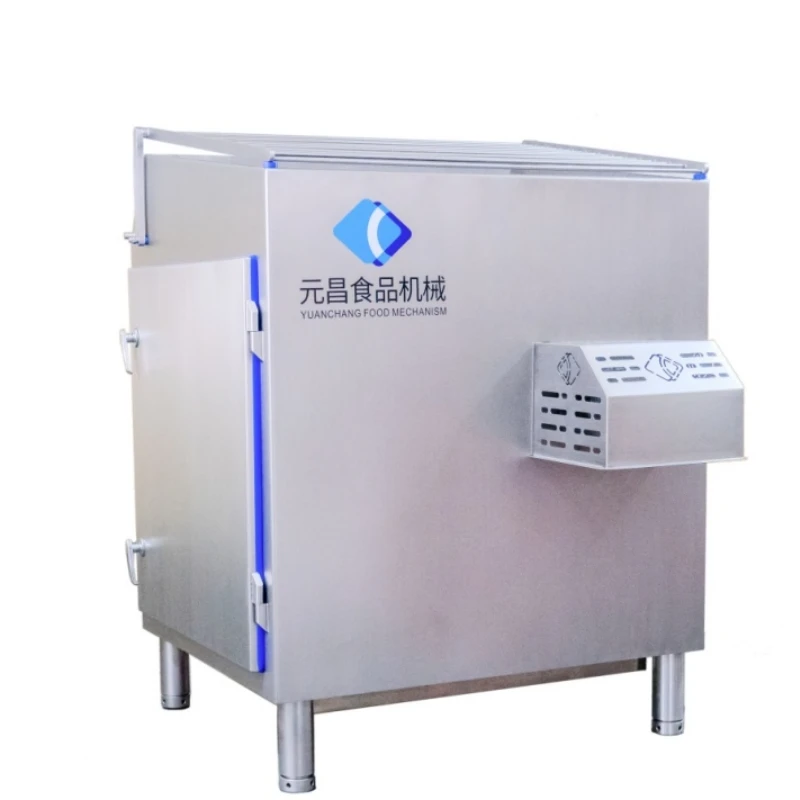
Having spent quite a number of years working alongside various meat bone grinder machine models in industrial meat processing plants, I’ve come to appreciate the subtle art behind building and choosing these beasts of equipment. Oddly enough, you might not realize how much goes into the design and material choice until you’re elbow deep in bone fragments and stainless steel chips during routine maintenance.
In simple terms: a good meat bone grinder isn’t just about brute force—it’s equally about precision, durability, and that workable balance between power and control. I’ve seen cheaper units choke and falter under persistent use. The better ones, though, feel almost like trustworthy workhorses, steadily giving you consistent results batch after batch.
What really matters? From what I’ve observed (and tested over many operating cycles), the key features revolve around robust build materials—typically high-grade stainless steel for hygienic, corrosion-resistant surfaces—and versatile grinding plates to handle everything from soft meat to stubborn bone chunks. Plus, easy disassembly for cleaning is often what separates a good machine from a hassle.
In terms of specs, here’s the kind of baseline I’d expect from an industrial-grade meat bone grinder machine worth its salt:
| Specification | Details |
|---|---|
| Motor Power | 5-15 HP, Variable options based on capacity |
| Grinding Capacity | 200-800 kg/hr (depending on model) |
| Material | Stainless steel (Food-grade) |
| Blade Types | Interchangeable plates, multi-blade options |
| Cleaning | Tool-less disassembly for quick sanitation |
| Safety Features | Emergency stop buttons, overload protection |
Now, vendors are as varied as their machines. From my experience, three key suppliers that keep cropping up in serious discussions among meat processing plant engineers are Y&C Meat Machinery, SinoMech, and MeatPro Solutions. Each has its quirks and strengths—no perfect fit, really, but depending on your exact needs, one might outshine the others.
| Vendor | Price Range | Build Quality | After-Sales Support | Customization Options |
|---|---|---|---|---|
| Y&C Meat Machinery | $$$ | Robust, stainless-centric | Comprehensive, fast response | Wide range of custom features |
| SinoMech | $$ | Good, solid but less refined | Average, with occasional delays | Limited customization |
| MeatPro Solutions | $$$ | High-end, advanced tech | Excellent with extended warranties | Premium customization, bespoke designs |
One thing I often mention to newcomers: don't underestimate the value of good after-sales support. I once saw a mid-sized facility lose precious production days due to a basic part failing and the vendor dragging feet on replacements. Meanwhile, a similar-sized plant I was consulting for chose Y&C Meat Machinery, and they had almost no downtime — their quick support and part availability made all the difference.
Frankly, if you’re serious about quality and uptime, it’s better to pay a bit more upfront than deal with headaches later. And yes, having versatile grinding plates that you can swap out without fuss makes your operators’ life simpler and your output much more consistent.
In the evolving industrial landscape, meat processing is not getting any easier. Regulations tighten, safety standards rise, and consumer demands shift toward cleaner, high-quality products. Machines like these meat bone grinder machine models must keep up by being adaptable and tough. I suppose that’s why the truly good ones feel less like machines and more like reliable partners on the floor.
To sum it up, if you want a machine that won’t let you down mid-shift and can tackle the toughest meat and bone combos, look for durability, ease of use, a trustworthy supplier, and decent customization. After working around these machines for so long, these are the practical points that matter most—in real terms, not just spec sheets.
Here’s a quick takeaway: respect the machine, maintain it well, and pick your vendor wisely. It pays off.
References:
- Industrial Meat Processing Standards, MeatTech Journal, 2022
- Field Experience Notes, Consulting Meat Processing Plants, 2018–2023
- Vendor Reports & User Feedback from Industry Forums, 2020–2024
-
Efficient Meat Cubing Machine for Industrial Meat ProcessingNewsDec.09,2025
-
Meat Cube Cutter Machine – Efficient and Precise Meat Processing EquipmentNewsDec.09,2025
-
Machine Used To Cut Meat | High Performance Meat Cutting Machines for IndustryNewsDec.09,2025
-
Machine That Cuts Meat – Efficient, Durable Meat Processing Solutions for B2BNewsDec.09,2025
-
Machine Meat Cutter: Global Importance, Benefits & Future Trends ExplainedNewsDec.08,2025
-
Durable Machine Cut Meat Slicer for Industrial Efficiency | YC Meat MechNewsDec.08,2025