


Machine for Cutting Chicken - Efficient, Safe & Reliable Poultry Processing Solutions
The Growing Importance of a Machine for Cutting Chicken: Why It Matters Globally
In our ever-evolving food industry, the machine for cutting chicken has quietly become a cornerstone of both efficiency and safety. While it might not be the flashiest piece of equipment on the factory floor, its role extends far beyond mere convenience. Globally, chicken accounts for a significant portion of the world's protein consumption — according to the Food and Agriculture Organization, poultry production has grown steadily for decades, underscoring the need for scalable, hygienic processing methods.
Optimizing how chickens are cut can improve productivity, reduce waste, and enhance food safety — all critical factors when feeding billions. Understanding these machines isn't just for engineers or factory managers; it touches farmers, retailers, humanitarian groups, and ultimately, every consumer who values affordable, safe poultry products.
Mini takeaway: At its core, a machine for cutting chicken isn't just a tool — it's a response to global demands for safer, faster, and more sustainable food production.
Understanding the Global Context: Why Machine Cutting Matters in Poultry Processing
Chicken consumption is booming worldwide. The Statista reports that global poultry meat consumption is expected to exceed 150 million metric tons by 2025. This soaring demand poses a challenge: How do producers maintain consistent quality, hygiene, and speed without inflating costs?
Manual cutting, apart from being labor-intensive, increases the risk of contamination and inconsistent product sizing. Countries with developing poultry sectors face even steeper hurdles, from lack of skilled labor to limited cold chain infrastructure. That’s where machines for cutting chicken come in. Their integration addresses productivity bottlenecks and food safety regulations simultaneously.
Frankly, without automated cutting, processing plants risk falling behind on international standards like ISO 22000 for food safety, which is increasingly demanded by export markets. So, it’s not just about speed — it’s about staying competitive on a global stage.
What Exactly Is a Machine for Cutting Chicken?
Simply put, a machine for cutting chicken is a mechanical device designed to portion chicken carcasses or cuts with precision and reliability. Unlike manual knives or cleavers, these machines use blades, conveyor systems, and sometimes robotics to ensure uniform cuts, reduce human error, and maintain high hygiene standards.
They range from semi-automatic to fully automated systems and can be tailored to different production scales. The typical setup might involve:
- A feeding mechanism to position the chicken
- Cutting blades calibrated for various cuts — breast, thighs, wings
- Safety features to protect workers and prevent contamination
In humanitarian contexts or areas with limited skilled labor, these machines help bridge the gap between supply and demand, ensuring communities have access to affordable, safe protein without long processing times.
Key Features Behind a Reliable Cutting Machine
Durability and Hygiene
Materials used must resist corrosion and allow thorough cleaning — stainless steel is the go-to. Durability ensures long-term use under harsh factory environments, preventing frequent downtime.
Scalability
Some lines process hundreds of chickens an hour, while others are designed for smaller operations. Flexibility in throughput helps businesses adapt as they grow.
Cutting Precision
The ability to cut consistent portions is vital for packaging, pricing, and customer satisfaction. Machines often feature adjustable blade angles and speeds for different chicken parts.
Cost Efficiency
Initial investment balances against labor savings and product yield. Advanced machines might cost more upfront, but reduce waste and increase output exponentially.
Safety Standards
Modern machines come with guards, emergency stops, and sensors. This protects both operators and the product, fulfilling regulatory requirements.
Mini takeaway: When evaluating machines for cutting chicken, thinking beyond price to durability, precision, and safety pays off in smoother operations.
Real-World Applications: Where and How These Machines Are Used
The utility of cutting machines extends across:
- Large poultry processors: These players rely on high-speed automated cutting to meet strict export and supermarket demands.
- Small and medium enterprises (SMEs): Especially in emerging markets, affordable semi-automatic machines boost their competitiveness.
- Humanitarian operations: In disaster zones or refugee camps, food agencies use compact cutting machines to process supplies quickly while minimizing contamination risks.
- Remote industrial facilities: Locations without access to skilled butchers find these machines invaluable for onsite protein preparation.
For instance, in Southeast Asia, where poultry forms a dietary staple, small to medium-sized cutting machines have lowered processing times by roughly 40%, while consistently improving portion uniformity.
Advantages & Long-Term Benefits of Automated Chicken Cutting
What truly sets these machines apart isn't just speed — it’s the multi-layered benefits:
- Cost Savings: Reduced labor needs and lower product waste mean healthier margins.
- Sustainability: Precise cuts help minimize scraps and encourage full use of carcasses.
- Food Safety: Minimizes human contact, lowering contamination risks and recalls.
- Worker Welfare: Reduces repetitive strain injuries and accidents compared to manual cutting.
- Consumer Trust: Consistent product quality builds brand loyalty and supports export growth.
Interestingly, operators often say there’s an added peace of mind knowing that a machine can handle the dirty work — literally — leaving them to focus on quality assurance and distribution.
Product Specification Table: Typical Machine for Cutting Chicken
| Specification | Details |
|---|---|
| Cutting Speed | 150–300 pcs/hour (varies by model) |
| Power Requirements | 220V / 50 Hz or 110V / 60 Hz |
| Blade Material | High-grade stainless steel |
| Machine Weight | Approx. 65 kg |
| Dimensions (LxWxH) | 1200 x 650 x 1100 mm |
| Safety Features | Emergency stop, blade guard, non-slip feet |
Vendor Comparison: Selecting the Right Machine for Cutting Chicken
| Feature | YC Meat Machinery | Global Poultry Systems | AgriCut Pro |
|---|---|---|---|
| Cutting Speed | 200 pcs/hr | 250 pcs/hr | 180 pcs/hr |
| Automation Level | Semi-automatic | Fully automatic | Semi-automatic |
| Price Range | $$$ | $$$$ | $$ |
| Warranty | 2 years | 3 years | 1 year |
| Ideal For | SMEs & medium processors | Large scale industrial plants | Small shops & butcheries |
What Lies Ahead? Future Trends and Innovations in Chicken Cutting Machines
The future looks pretty interesting. Advances in AI-powered quality sensors and robotic automation are pushing these machines beyond simple cutting tasks — imagine machines that can adjust cuts on the fly based on carcass size and weight for maximum yield. Digital transformation is helping facilities monitor machine performance remotely, predicting maintenance before problems arise, which means less downtime (and fewer headaches).
Sustainability is also becoming a front-and-center concern. New energy-efficient motors, recyclable blade materials, and water-saving cleaning systems are emerging that complement broader environmental goals in food processing.
Challenges and How Experts Are Tackling Them
Of course, no piece of tech is perfect. Some hurdles include:
- High upfront cost: Not all businesses can afford premium automated machines — but leasing and financing options are improving.
- Maintenance complexity: Cutting machines require precise calibration and upkeep. Training programs and remote support services are increasingly offered by vendors.
- Adaptability: Machines tailored for one type of cut might not suit diverse product lines. Manufacturers are responding by designing modular systems.
What many engineers say is key: integrating human expertise with machine reliability maximizes benefits rather than replacing one with the other.
FAQs About Machine for Cutting Chicken
- Q: How much space does a typical chicken cutting machine need?
- A: Most machines occupy around 1 to 2 square meters. It’s important to consider space for feeding, output, and operator movement to ensure safe workflows.
- Q: Can these machines cut both whole chickens and parts?
- A: Yes, depending on the model. Some are designed solely for deboning breasts or thighs, while others can handle whole carcasses with adjustable settings.
- Q: Is it difficult to train staff to operate these machines?
- A: Not really. Basic operation usually takes a day or two of training, especially with modern user-friendly controls. Vendors often provide manuals and support.
- Q: Do cutting machines help reduce food waste?
- A: Absolutely. Precise cuts minimize offcuts and inconsistent sizing, which means more usable product and better profits.
Wrapping Up: Why Investing in the Right Machine for Cutting Chicken Pays Off
In real terms, investing in a reliable cutting machine is about more than just making work easier. It’s about keeping food safe, customers happy, and margins healthy — all while meeting the rigorous demands of a global poultry market. Whether you run a small butcher shop or a large processing plant, embracing modern poultry-cutting technology is an essential step towards sustainability and efficiency.
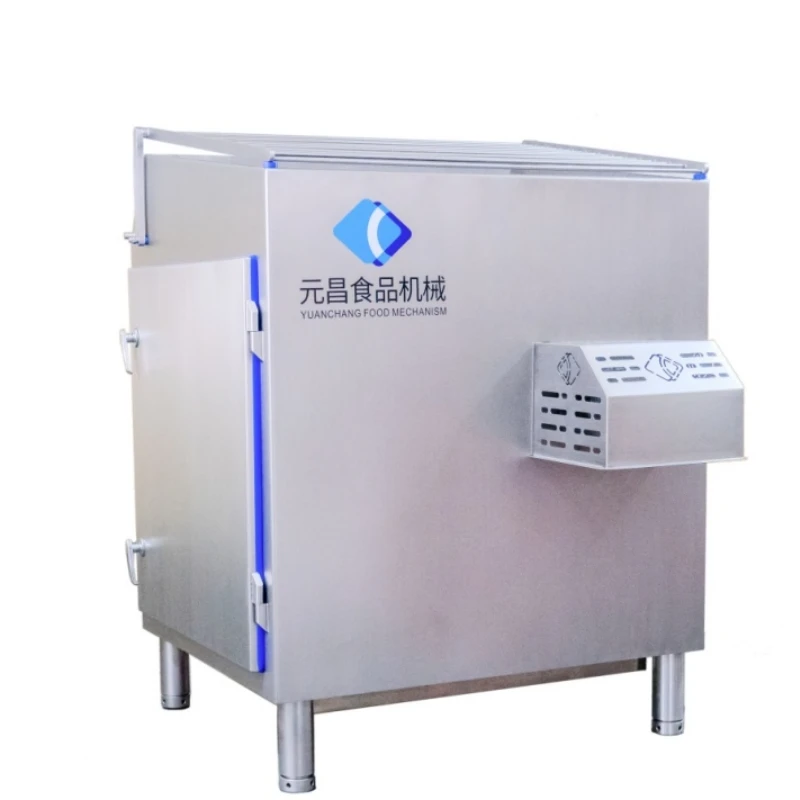
If you're looking to upgrade your operation or explore solutions, be sure to check out options like this machine for cutting chicken designed specifically to meet today’s industry challenges.
After all, it’s these often overlooked machines behind the scenes that keep our tables filled.
References:
-
Efficient Meat Cubing Machine for Industrial Meat ProcessingNewsDec.09,2025
-
Meat Cube Cutter Machine – Efficient and Precise Meat Processing EquipmentNewsDec.09,2025
-
Machine Used To Cut Meat | High Performance Meat Cutting Machines for IndustryNewsDec.09,2025
-
Machine That Cuts Meat – Efficient, Durable Meat Processing Solutions for B2BNewsDec.09,2025
-
Machine Meat Cutter: Global Importance, Benefits & Future Trends ExplainedNewsDec.08,2025
-
Durable Machine Cut Meat Slicer for Industrial Efficiency | YC Meat MechNewsDec.08,2025