


Essential Guide to Meat Milling Machines: Efficiency, Safety & Innovation
Understanding the Meat Milling Machine: A Key to Modern Food Processing
Let’s kick things off with why the meat milling machine matters today, globally and practically. In a world increasingly conscious of food security and sustainability, efficient processing technologies aren't just a nice-to-have—they're essential. Meat milling machines streamline meat preparation, enhancing both quantity and quality of output. From small butcheries to large industrial plants, these machines help produce consistent, safe meat products that meet the demand of a growing population. Oddly enough, few people truly appreciate the complexity behind this humble yet vital piece of equipment, but understanding it unlocks a lot about modern food production and distribution.
Global Context: Why Are Meat Milling Machines Critical?
According to the Food and Agriculture Organization (FAO) of the UN, global meat consumption is projected to rise steadily, with developing regions witnessing the most significant increases. Unfortunately, this creates pressures on traditional meat processing methods that are less efficient, have inconsistent hygiene standards, and can lead to higher waste levels. Here’s where the meat milling machine steps in, providing a technological solution that improves throughput and safety. In many parts of the world, these machines also support food aid programs, ensuring that meat products can be processed quickly and safely in fragile settings.
Mini takeaway: Meat milling machines are a linchpin in meeting growing global meat demands efficiently and safely.
What is a Meat Milling Machine?
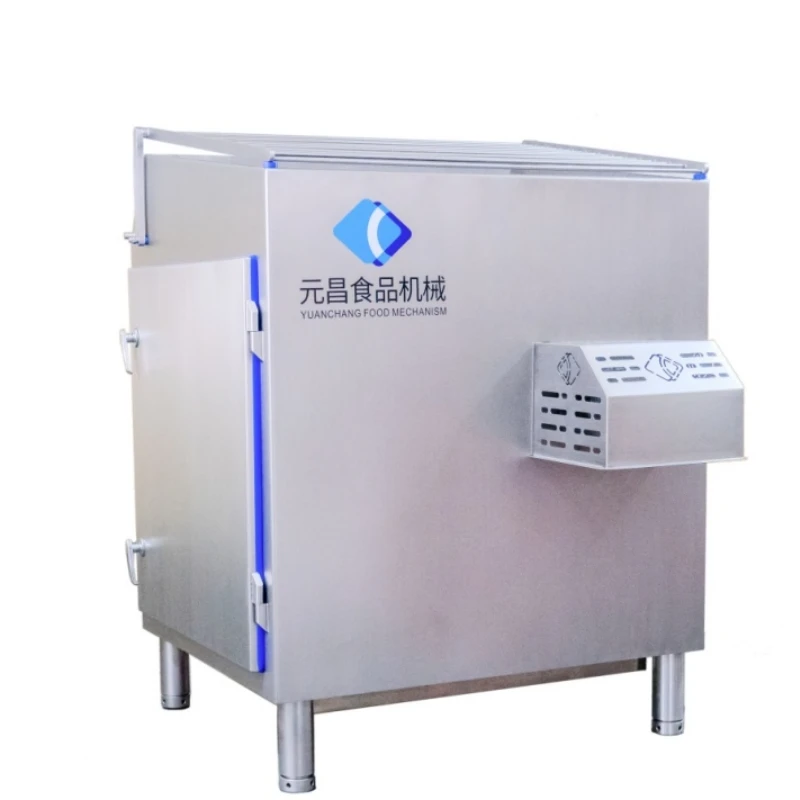
Simply put, a meat milling machine is an industrial device that grinds or minces meat into smaller pieces or a uniform paste to facilitate processing. It’s a staple in butcher shops, large processing plants, and even humanitarian logistic chains. The milling mechanizes what would otherwise be a terribly labor-intensive and inconsistent manual process, ensuring not only efficiency but also a much higher hygiene and safety standard.
In humanitarian contexts, these machines are invaluable for producing shelf-stable, ready-to-use meat products that can be transported and distributed rapidly. The machine’s role bridges raw material transformation with end-user accessibility, a critical link in food security worldwide.
Core Components and Key Factors of Meat Milling Machines
- Durability: Meat processing environments are tough – wet, cold, and often requiring heavy-duty operation. The milling machine’s build quality must withstand this while ensuring longevity. Stainless steel is a popular material choice.
- Scalability: Variations range from small countertop grinders to massive industrial models capable of processing tons of meat daily. Scalability allows businesses to match capacity with demand efficiently.
- Cost Efficiency: Beyond initial investment, energy consumption and maintenance costs significantly impact ROI. Machines that balance performance with affordability often win in the long run.
- Hygiene and Safety Features: Removable parts for easy cleaning, sealed motors, and food-grade materials reduce contamination risk. Compliance with ISO 22000 and HACCP standards is essential.
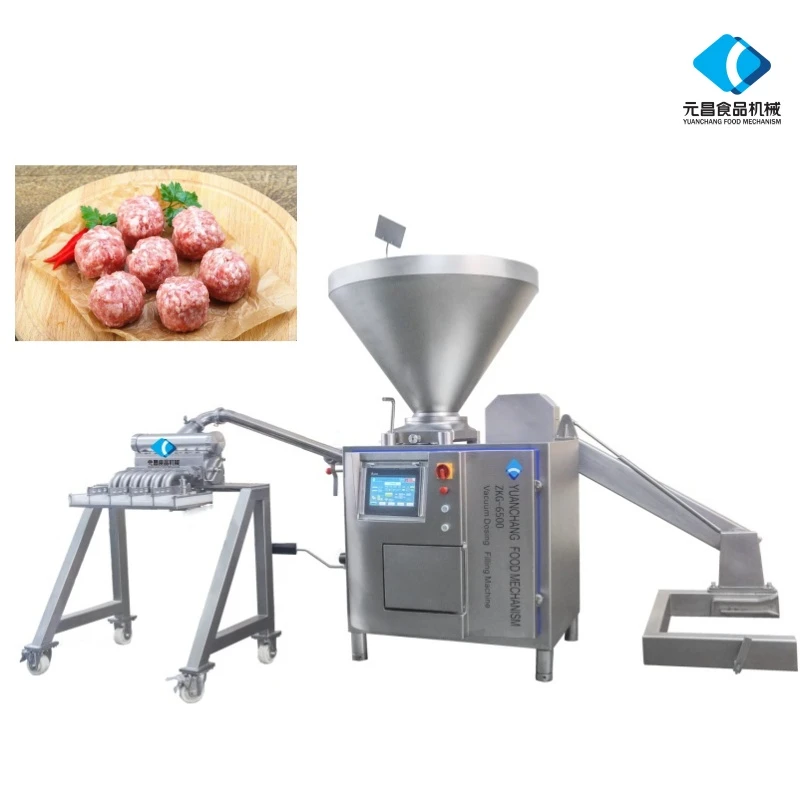
- Automation and Control: Advances in digital touchscreens and programmable settings reduce operator error and increase repeatability in output quality.
Mini takeaway: When choosing a meat milling machine, durability, scalability, and hygiene matter as much as price and automation level.
Global Applications & Use Cases of Meat Milling Machines
In developed meat-producing countries like the US and Germany, meat milling machines enable large-scale sausage production, burger patty manufacturing, and processed meat goods. Meanwhile, in emerging markets, machines empower small-scale producers to improve their product range and hygiene, thus accessing new markets.
Interestingly, NGOs working in post-disaster zones often deploy portable meat milling units. For example, during relief efforts after natural disasters, these machines help process donated livestock into safe-to-eat products quickly, reducing food waste and helping maintain nutritional standards.
In remote industrial zones, such as mining camps in Australia or Siberian outposts, compact meat milling machines support local kitchens by processing fresh and frozen meat under controlled conditions, ensuring food safety and variety.
Advantages & Long-Term Value
The benefits of using a meat milling machine are both clear and multifaceted. They enhance productivity, ensuring more meat gets processed with minimal waste. Sustainable meat production enjoys a boost, as these machines often reduce energy usage compared to older methods.
Moreover, there is a social dimension: communities gain safer food and greater food sovereignty. Many food safety experts highlight how these machines build trust in processed meat products — vital for consumers with health concerns.
Meat Milling Machine Specification Table
| Model | Capacity (kg/hr) | Material | Power (kW) | Automation |
|---|---|---|---|---|
| MeatMech X200 | 200 | Stainless Steel | 3.6 | Semi-automatic |
| ProGrind 5000 | 5000 | Food Grade Steel | 22 | Fully Automated |
| MiniMill 75 | 75 | Aluminum & Stainless Steel | 1.2 | Manual |
Future Trends & Innovations
One of the most promising shifts is the integration of IoT sensors for real-time monitoring of machine health and hygiene markers. Green energy-powered models are also emerging, cutting carbon footprints in meat processing facilities, which is huge given the environmental debates surrounding meat production.
Automation continues to evolve, aided by AI algorithms that fine-tune grinding textures and optimize energy use without operator input – basically, smarter milling machines for smarter food factories.
Challenges & Solutions in Meat Milling
Supply chain disruptions can delay replacement parts, hampering continuous operation. Meat milling machines also pose cleaning challenges to prevent cross-contamination. Fortunately, modular designs and standardized parts systems are improving maintenance cycles and usability. Many engineers suggest investing in machines with remote diagnostics for early fault detection, reducing costly downtime.
Vendor Comparison Table
| Vendor | Range | Warranty | Support | Price Range |
|---|---|---|---|---|
| MeatMech | 75–5000 kg/hr | 3 years | 24/7 Global | $5,000–$120,000 |
| ProGrind | 500–10,000 kg/hr | 2 years | Business hours | $15,000–$200,000 |
| MiniMill Corp | 10–200 kg/hr | 1 year | Email support | $2,000–$25,000 |
FAQ: Frequently Asked Questions About Meat Milling Machines
- What capacity meat milling machine do small businesses typically need?
- Small-scale producers often require machines with a capacity between 50 to 200 kg/hr. This range balances daily throughput needs with manageable energy consumption and easier cleaning routines.
- How important is automation for meat milling equipment?
- Automation improves consistency and productivity while reducing the risk of human error. However, small operations might prioritize manual or semi-automated machines to reduce upfront cost and maintenance complexity.
- Can meat milling machines handle frozen meat?
- Most commercial-grade machines can process semi-frozen meat but not fully frozen blocks. It’s advisable to partially thaw meat for optimal grinding quality and to prevent equipment damage.
- What cleaning standards should I expect for food safety?
- Look for machines compliant with ISO 22000 or HACCP food safety standards. Features like easy disassembly, smooth surfaces, and corrosion-resistant materials are crucial.
- How long does a typical meat milling machine last?
- With proper maintenance, these machines can last 10-15 years. Routine cleaning, timely servicing, and spare parts availability greatly influence longevity.
Conclusion: Why a Meat Milling Machine is Your Invisible Partner in Food Safety
In real terms, investing in a quality meat milling machine is a commitment to efficiency, hygiene, and future readiness in meat processing. Whether your focus is industrial-scale production or enabling safer food relief programs, these machines supply a blend of reliability, innovation, and sustainability.
Ready to upgrade your processing capabilities? Visit meat milling machine specialist MeatMech to explore options tailored to your needs and budget.
All said, meat milling machines are a quietly transformative part of the global food supply chain—maybe unglamorous, yes, but absolutely essential.
Final takeaway: Understanding the meat milling machine is not just for engineers; it’s key for anyone invested in better, safer, and more sustainable meat production.
-
Efficient Meat Cubing Machine for Industrial Meat ProcessingNewsDec.09,2025
-
Meat Cube Cutter Machine – Efficient and Precise Meat Processing EquipmentNewsDec.09,2025
-
Machine Used To Cut Meat | High Performance Meat Cutting Machines for IndustryNewsDec.09,2025
-
Machine That Cuts Meat – Efficient, Durable Meat Processing Solutions for B2BNewsDec.09,2025
-
Machine Meat Cutter: Global Importance, Benefits & Future Trends ExplainedNewsDec.08,2025
-
Durable Machine Cut Meat Slicer for Industrial Efficiency | YC Meat MechNewsDec.08,2025