


Discover Innovative Meat Processing Equipment for Safer, Efficient Production
Why Innovative Meat Processing Equipment Matters Globally
When we talk about innovative meat processing equipment, we're really peeking into the future of one of the world’s oldest trades — turning livestock into food. But it’s not just about cutting and packaging anymore. Across the globe, from bustling urban centers to remote agricultural villages, this equipment is reshaping food safety, efficiency, and sustainability. As the global population edges toward nearly 8 billion people, ensuring that meat products are processed quickly, safely, and with minimal waste isn’t just a luxury — it’s a necessity.
Understanding the key benefits of this evolving technology means getting better food security, supporting humane treatment of animals, reducing environmental impact, and empowering producers worldwide. Plus, it often means fewer foodborne illnesses. When you consider these factors on a global scale, the importance becomes crystal clear.
Setting the Stage: The Global Context of Meat Processing Technology
Did you know the global meat processing industry is expected to reach nearly $500 billion by 2027? That’s according to industry reports backed by organizations like the UN and ISO. That growth comes with challenges—rising demand for efficient production, increased regulatory oversight, and mounting pressure to reduce environmental footprints.
The problem? Traditional equipment often can’t keep up with these demands. Machines can be inefficient, prone to contamination risk, or too energy-intensive. Here’s where innovative meat processing equipment comes in — designed not just to improve the output but to solve these critical bottlenecks.
What Exactly Is Innovative Meat Processing Equipment?
At its core, innovative meat processing equipment includes any new or significantly improved tools and machinery that facilitate the slaughter, cutting, deboning, packaging, or preservation of meat products. This can range from automated boning robots to smart conveyors equipped with AI-based quality scanners, to energy-efficient chillers and even mobile processing units for regions lacking infrastructure.
It’s not just fancy machinery; it’s technology built to meet rising consumer expectations, meet stricter food safety protocols, and accommodate shifts towards more sustainable agriculture and humanitarian needs. For example, some pieces are designed specifically for rapid deployment in disaster-affected areas, supplying fresh protein fast and safely.
Core Aspects of Modern Meat Processing Machinery
Durability and Hygiene
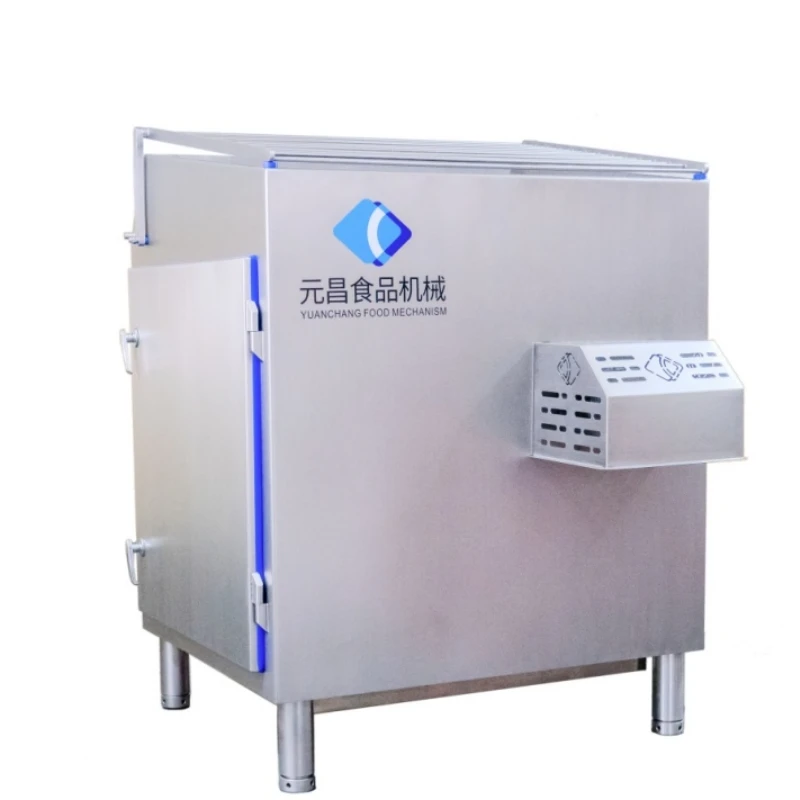
Meat is a tricky material — it demands equipment that can withstand rigorous cleaning cycles and often wet conditions. Stainless steel remains king here because it resists corrosion, prevents bacterial growth, and can endure harsh sanitization. Many innovative machines now feature self-cleaning designs, meaning less downtime and lower contamination risk.
Scalability and Flexibility
Not every facility is a mega-plant, and equipment needs to scale accordingly. Innovative systems can be modular, allowing processors to add or remove components as demand changes — which is invaluable for growing businesses or fluctuating market conditions.
Energy Efficiency
With tighter regulations and rising energy costs, smarter meat processing gear tends to consume less power, often integrating green technologies like solar power backups or waste heat recovery systems. The goal? Lower operational costs and a smaller carbon footprint.
Automation and Smart Technology
The integration of robotics and AI is a game-changer, from automated carcass cutters that reduce labor injuries to sensors that detect spoilage early. These techs can track quality and compliance in real-time, enhancing consistency and reducing waste.
Cost Efficiency and ROI
Yes, the upfront investment can be significant. But many processors find that cutting waste, reducing labor costs, and complying with stricter standards quickly justifies the cost. Plus, resale value and durability mitigate risk for many buyers.
Real-World Applications and Who Benefits
Take remote regions in Africa or South America—mobile meat processing units allow village cooperatives to harvest and process meat onsite, preventing spoilage over long transport distances. Humanitarian groups deploy compact, solar-powered machines in disaster zones to provide protein quickly during relief efforts.
Meanwhile, large-scale producers in North America and Europe are using AI-powered sorting equipment and robots to cut costs and improve throughput. Even artisanal and specialty meat producers are leveraging innovative equipment for precise portioning and packaging, which helps maintain quality and brand identity.
Mini Takeaway:
Whether it's a local butcher in a small town or a multinational meat processor, innovative meat processing equipment plays unique, impactful roles worldwide, adapting to various needs and environments.
The Long-Term Value: Why Does It Pay Off?
- Cost savings: Reduced waste and energy consumption mean lower expenses over time.
- Food safety: Advanced sanitation equals fewer recalls and infections.
- Social impact: Supports jobs, local economies, and humane treatment practices.
- Sustainability: Less energy use, improved supply chains, and less environmental damage.
- Innovation and trust: Consumers want to know their meat is responsibly processed.
Frankly, these factors, when combined, are powerful motivators for industries to rapidly embrace advances. It also offers peace of mind to consumers who care about how their food is produced.
Peeking Ahead: Future Trends in Meat Processing Equipment
Green energy integration is becoming standard as manufacturers aim to reduce their carbon footprint. Sensor-driven automation will improve to predict spoilage even before it’s visible, using hyperspectral imaging and blockchain to track traceability exhaustively. Automation will get smarter, with learning algorithms adapting in real time to different carcass sizes or species.
We’re also seeing a push for innovative meat processing equipment that works seamlessly with alternative meat sources and cultured meat, a field growing fast as sustainable proteins. The rise of modular, easily transportable equipment opens doors for expanding meat safety to undeveloped regions too.
Challenges in the Field—and How to Overcome Them
Of course, no solution is perfect. Adoption hurdles include:
- High capital outlay: Smaller operators worry about affordability.
- Skill gaps: New tech requires training that isn't always readily available.
- Maintenance complexity: Advanced machines sometimes need specialist servicing.
The good news? Leasing options, training programs, and remote diagnostics — advances pioneered by innovative vendors — are closing those gaps.
Product Specification Table: Sample Innovative Meat Processing Equipment
| Feature | Model A1000 | Model RoboCut X | Mobile Unit MobiPro |
|---|---|---|---|
| Automation Level | Semi-automatic | Fully automated AI-driven | Manual with digital controls |
| Material | 304 Stainless Steel | 316 Stainless Steel & carbon fiber | Aluminum frame with stainless surfaces |
| Energy Consumption | 5 kW | 3.5 kW (solar compatible) | 2.2 kW (battery operated) |
| Capacity (per hour) | 500 kg | 1200 kg | 150 kg |
| Deployment | Permanent facility | Factory line setup | Portable (for emergency use) |
Vendor Comparison: Choosing the Right Innovative Meat Processing Partner
| Vendor | Product Range | Global Reach | Warranty & Support | Sustainability Focus |
|---|---|---|---|---|
| MeatTech Solutions | Wide (from grinders to AI robots) | Europe, N. America, Asia | 3 years + on-site training | Extensive green product lines |
| Global Meat Solutions | Focused on mobile & medium units | Africa, S. America, Asia | 2 years, remote support | Moderate, with solar options |
| Precision Cuts Inc. | High-end robotic cutters & sensors | Worldwide | 5 years comprehensive | Leader in eco-efficient design |
Common Questions About Innovative Meat Processing Equipment
Q: How does automated meat processing equipment improve safety?
A: Automation reduces manual handling, which lowers the risk of contamination and accidents. Additionally, many machines have built-in sensors to detect contaminants or improper cuts, ensuring safer products for consumers.
Q: Can small meat processors afford these innovations?
A: While initial costs may be high, many companies offer modular equipment and leasing options. This makes innovative systems accessible to smaller processors, who also benefit from labor savings and increased efficiency over time.
Q: How do these machines support sustainability goals?
A: Innovations often focus on energy efficiency, reduction of waste through precise cuts, and use of recyclable materials. Some units also integrate renewable energy sources, helping reduce the industry's carbon footprint.
Q: Is training required to operate these new technologies?
A: Yes, although vendors typically provide training programs. Many also offer remote support and easy-to-understand interfaces designed for operators without advanced technical backgrounds.
Q: How quickly can mobile units be deployed in disaster zones?
A: Modern mobile meat processing units can be deployed within 24-72 hours, depending on logistics. They’re designed for rapid setup and operation to provide fresh protein sources quickly during emergencies.
Wrapping It Up: Why Invest in Innovative Meat Processing Equipment?
In the end, equipping your facility with innovative meat processing solutions isn’t just about keeping pace; it’s about redefining standards. From improving food safety and cutting costs to supporting sustainability and enabling new markets, the benefits stack up fast. If you’re serious about future-proofing your operations — no matter your size or location — this technology deserves a hard look.
Visit our website at https://www.ycmeatmech.com to explore cutting-edge options and see how your production can leap forward.
Mini Reflection:
It’s odd how something as familiar as cutting meat can still surprise with innovation. Just goes to show there’s always room for smarter, cleaner, kinder tech in every industry.
References:
-
Efficient Meat Cubing Machine for Industrial Meat ProcessingNewsDec.09,2025
-
Meat Cube Cutter Machine – Efficient and Precise Meat Processing EquipmentNewsDec.09,2025
-
Machine Used To Cut Meat | High Performance Meat Cutting Machines for IndustryNewsDec.09,2025
-
Machine That Cuts Meat – Efficient, Durable Meat Processing Solutions for B2BNewsDec.09,2025
-
Machine Meat Cutter: Global Importance, Benefits & Future Trends ExplainedNewsDec.08,2025
-
Durable Machine Cut Meat Slicer for Industrial Efficiency | YC Meat MechNewsDec.08,2025