


Custom Meat Processing Equipment - Tailored Solutions for Global Food Safety & Efficiency
Unlocking the Potential of Custom Meat Processing Equipment Globally
It might sound strange at first — custom meat processing equipment — but this niche is quietly pivotal for food safety, economic growth, and even disaster relief worldwide. As meat consumption grows and supply chains stretch across continents, understanding how tailored machinery enhances efficiency and sustainability is key. These aren’t just machines; they represent the backbone of a global industry that feeds billions, supports rural jobs, and adapts to unique cultural and environmental challenges.
The Global Context: Why Custom Meat Processing Equipment Matters Today
To get a clearer picture, consider this: according to the United Nations Food and Agriculture Organization (FAO), global meat production surpassed 337 million tons in 2022, with demand projected to rise as incomes grow, especially in Asia and Africa. But mass production alone doesn’t cut it. Tailored, custom meat processing equipment helps bridge gaps between industrial-scale factories and local butchers or humanitarian efforts.
Here’s the rub — standard machinery often fails to meet specific regional needs or conditions. For example, a processor built for temperate climates may perform poorly in humid tropical zones, or from a food safety perspective, there might be different regulations needing specialized slicers or grinders. The ability to customize components or entire systems mitigates downtime, contamination risks, and operational inefficiency.
Put simply: custom equipment tackles the diversity of meat processing challenges head-on, helping ensure safer food, higher yields, and lower waste.
What Exactly is Custom Meat Processing Equipment?
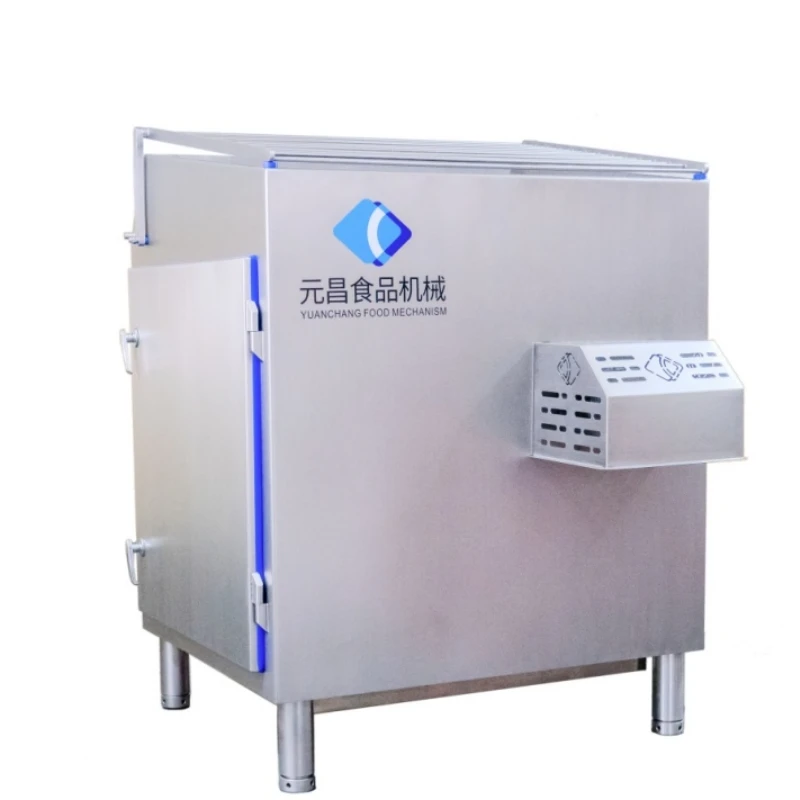
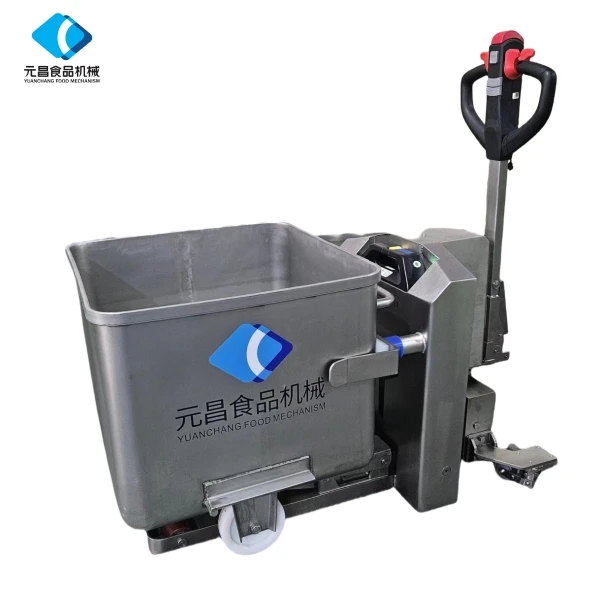
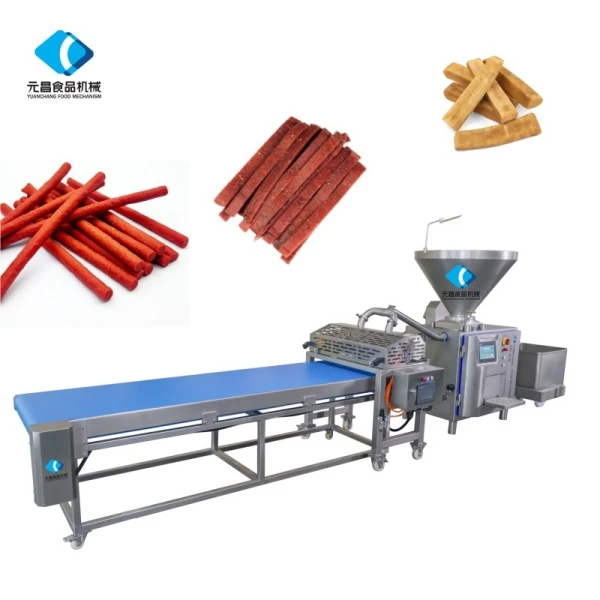
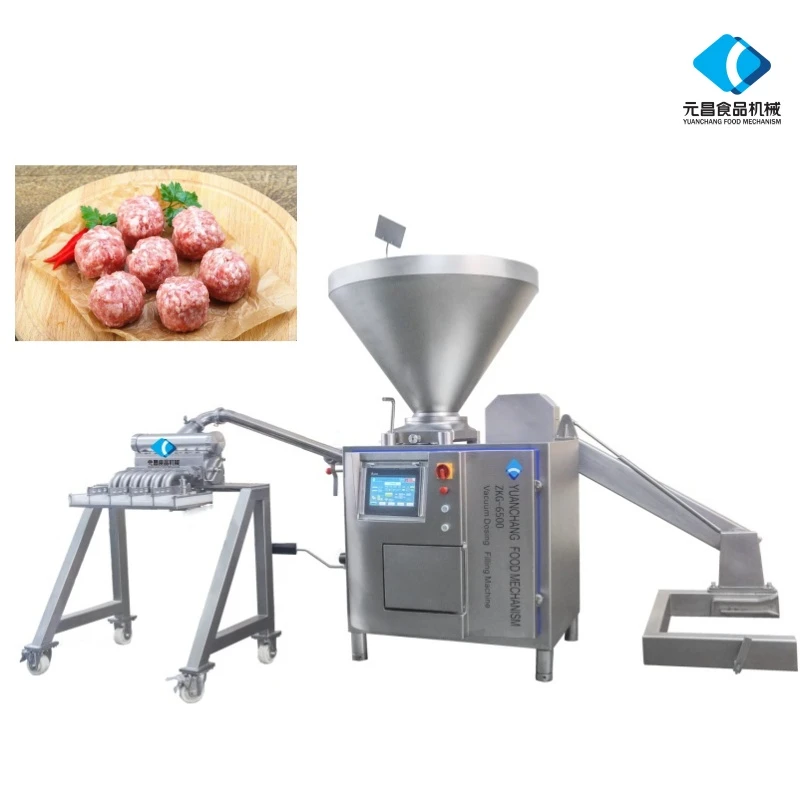
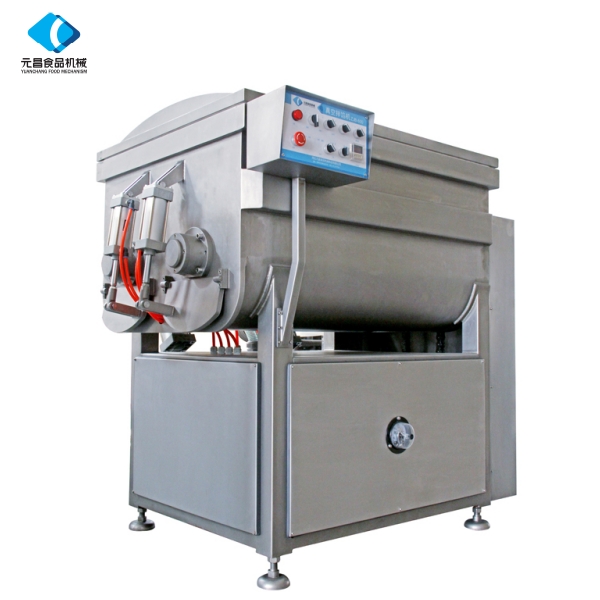
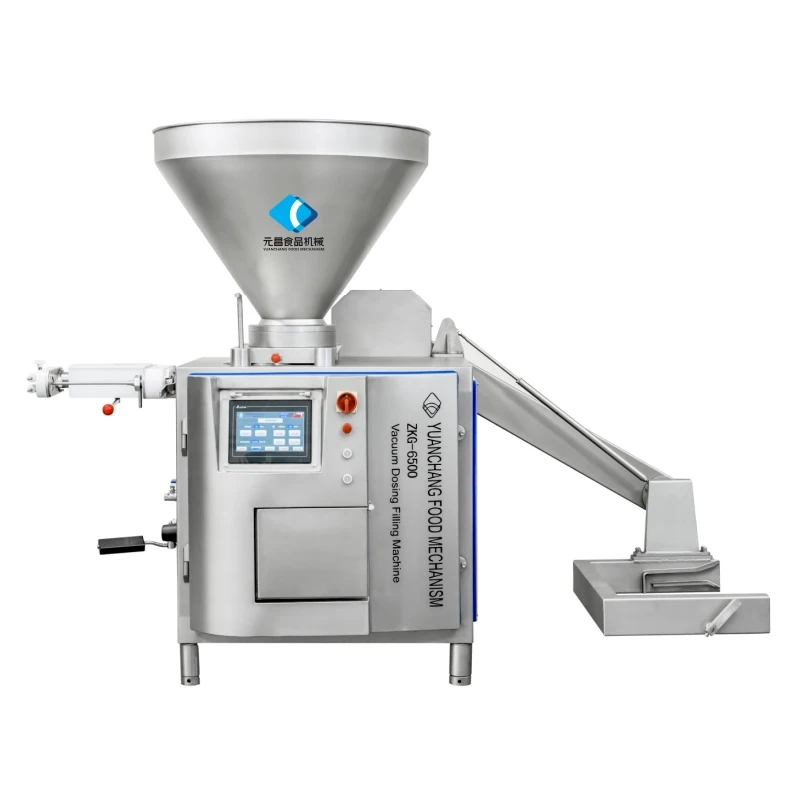
At its core, custom meat processing equipment refers to machinery that’s designed or modified specifically to fit unique operational requirements, unlike off-the-shelf models. This could include specialized grinders, slicers, conveyors, or packaging lines uniquely adapted for certain types of meat (like poultry vs. beef), volume scales, or production environments.
Think of it as the difference between a custom-tailored suit and one plucked off a rack — the fit, function, and finish matter a lot. In humanitarian or remote settings, this equipment can be configured to run simply on limited power supplies or be portable for disaster zones. Industrially, customization allows better integration with existing systems or adds features like advanced hygiene protocols.
Core Components and Practical Considerations
Durability and Hygiene
Meat processing is messy and demanding. Stainless steel frames, corrosion-resistant coatings, and easy-to-clean surfaces are crucial. Custom designs often focus on extended lifespan without compromising sanitation standards, which directly reduces downtime for cleaning and maintenance.
Scalability and Modularity
One size doesn’t fit all. Equipment must adapt as production grows or shifts. Modular machines that can be added to or reconfigured offer both cost savings and operational flexibility. That’s vital for businesses or relief organizations scaling operations quickly.
Energy Efficiency
Modern custom equipment often includes energy-saving motors, sensors, and smart controls. This is especially important for remote or off-grid operations, where energy costs and availability are a big deal.
Automation and Smart Features
Automation isn’t just for big factories. Custom machines might incorporate automated cutting precision, weight control, or error detection, cutting down on waste and labor costs while boosting output quality.
Ease of Maintenance
Field technicians repeatedly emphasize repairability. Custom gear is often designed for quick part swaps and diagnostics, preventing long halts that can be costly.
Safety and Compliance
Different countries enforce different food safety regulations — custom equipment helps ensure compliance with USDA, EU hygiene, or ISO 22000 standards, protecting consumers and brands alike.
Where and How Custom Meat Processing Equipment Is Making a Difference
In North America and Europe, manufacturers tailor equipment to handle everything from artisanal sausages to large-scale beef deboning, driven by stringent safety regulations and consumer preferences. Meanwhile, in parts of Africa and Asia, customized modular units enable smaller farmers and processors to handle locally sourced meat efficiently.
For example, in post-disaster relief efforts—like after floods or earthquakes—compact, portable processing gear has enabled emergency food supply continuity, helping NGOs distribute safe protein sources where refrigeration or power infrastructure is lacking.
Additionally, in the remote zones of Australia and Canada, custom equipment built to operate under extreme weather, with low water and power use, ensures steady meat supply chains where standard setups would fail.
Advantages and Long-Term Value of Investing in Custom Solutions
- Cost efficiency over time: Reduced breakdowns and tailored workflows minimize operational hiccups.
- Enhanced food safety: Specialized designs help meet or exceed hygiene standards, protecting brand reputation.
- Sustainability: Energy-efficient, waste-minimizing systems promote greener operations.
- Social impact: Supporting local processing boosts community economies and helps maintain cultural food practices.
- Reliability: Equipment designed for exact conditions lasts longer and performs better.
Frankly, these factors build trust, whether in a bustling urban factory or a rural co-op, and I think that’s often underappreciated. It’s not just about cutting meat — it’s about cutting losses, cutting risk, and yes, sometimes cutting corners entirely wrong.
Emerging Trends and Innovations Shaping Custom Meat Processing
Looking ahead, energy-smart integration is big. Solar-powered processors and battery-buffered smart utilities are gaining traction, especially in development zones. Digital transformation means IoT sensors and cloud data tracking enhance traceability and quality control—useful from farm to fork.
We’re also seeing innovative materials — antimicrobial coatings that reduce bacteria adherence, lightweight composites lighter than traditional steel — making machines safer and easier to clean.
Automation and robotics are creeping into smaller-scale facilities thanks to modular add-ons, expanding affordability and operational accuracy. Plus, there’s growing attention to reducing water use and waste, prompted by sustainability certifications and global climate commitments.
Tackling Challenges: What’s Holding Back Wider Adoption?
A big issue is upfront cost. Custom solutions, by their nature, aren’t cheap, and many operators hesitate despite the long-term gains. Supply chain delays and limited local expertise to troubleshoot can amplify downtime.
Another challenge is balancing customization with regulatory compliance—over-customization risks deviating from certified standards.
Luckily, smarter design approaches, like semi-custom modular systems, plus remote diagnostics, help vendors navigate these hurdles. Plus, training programs and partnerships with local service providers build technical capacity and confidence in the equipment’s use.
FAQ: Custom Meat Processing Equipment
- Q1: What types of meat processing equipment can be customized?
- A: Almost all types — grinders, slicers, packaging lines, conveyors, even refrigeration units. Customization focuses on capacity, features specific to meat type, hygiene needs, and power options.
- Q2: How does custom equipment help small to mid-sized processors?
- A: It allows them to handle variable volumes without investing in oversized industrial machines, improving efficiency and product quality tailored exactly for their scale and product mix.
- Q3: Are custom meat processing lines more expensive to maintain?
- A: Not necessarily. While parts may be specialized, parts access and design focused on maintainability usually reduce downtime and long-term costs versus repurposed or poorly fitting equipment.
- Q4: Can this equipment comply with international food safety standards?
- A: Absolutely. Custom design often considers regional and international standards such as USDA, EU Hygiene Package, and ISO 22000 to ensure certifications.
- Q5: How quickly can custom equipment be delivered?
- A: Delivery times vary based on complexity, but many vendors offer modular options that can be deployed faster, sometimes within weeks, ideal for emergency or rapid scale-up needs.
Product Specification Snapshot
| Feature | Standard Model | Customizable Options |
|---|---|---|
| Capacity | 500 kg/hour | 100 - 2,000 kg/hour scalable modules |
| Material | Stainless Steel (Grade 304) | Antimicrobial coatings, lighter alloys |
| Power Source | 230V Electrical | Solar, battery buffers, multi-voltage |
| Automation Levels | Manual | Semi-automatic to fully automated with IoT controls |
| Compliance Standards | Basic Food Safety | USDA, EU Hygiene, ISO 22000 |
Vendor Comparison: What to Look For When Choosing a Supplier
| Criteria | Vendor A | Vendor B | Vendor C |
|---|---|---|---|
| Customization depth | High - full bespoke options | Medium - modular builds | Low - standard with minor tweaks |
| After-sales service | Global 24/7 support | Regional support centers | Limited to warranty period |
| Compliance expertise | USDA, EU, ISO experts | Primarily ISO 22000 certified | Basic food safety standards |
| Pricing | Premium | Mid-range | Budget |
| Lead Times | 4-6 weeks | 3-5 weeks | 6-8 weeks |
Wrapping Up: Why Custom Meat Processing Equipment Will Keep Slicing Into the Future
The broad takeaway? Custom meat processing equipment isn’t just a fancy add-on — it’s a necessary evolution to keep pace with global demands, diverse challenges, and a future that frankly demands smarter, safer food production. Whether it’s feeding communities, supporting small businesses, or responding to emergencies, these tailored machines reinforce resilience and innovation.
If you’re exploring options or need an expert partner on your next project, don't hesitate to connect with our custom meat processing equipment specialists. The right tools can make all the difference.
-
Efficient Meat Cubing Machine for Industrial Meat ProcessingNewsDec.09,2025
-
Meat Cube Cutter Machine – Efficient and Precise Meat Processing EquipmentNewsDec.09,2025
-
Machine Used To Cut Meat | High Performance Meat Cutting Machines for IndustryNewsDec.09,2025
-
Machine That Cuts Meat – Efficient, Durable Meat Processing Solutions for B2BNewsDec.09,2025
-
Machine Meat Cutter: Global Importance, Benefits & Future Trends ExplainedNewsDec.08,2025
-
Durable Machine Cut Meat Slicer for Industrial Efficiency | YC Meat MechNewsDec.08,2025