


Commercial Meat Grinding Machine – Efficient & Reliable Meat Processing Solutions
Understanding the Role of Commercial Meat Grinding Machines in Today’s Food Industry
At first glance, a commercial meat grinding machine might sound like a simple, straightforward piece of equipment — and yes, it is! But when you dig beneath the surface, you quickly find that it's a keystone in the global food processing maze. Think about it: from bustling urban butcher shops in New York to remote processing plants in Southeast Asia, these machines are handling millions of pounds of meats daily, assuring consistent quality, hygiene, and efficiency. As the world’s appetite grows, so does the need for reliable, scalable meat grinding solutions that can keep pace without cutting corners.
Why does understanding this matter globally? Well, meat is one of the most consumed protein sources worldwide, with the Food and Agriculture Organization of the UN reporting that global meat production topped over 340 million tons recently. Commercial meat grinders are silent workhorses that enable efficient processing, reduce waste, and ensure safe products reach our tables.
The Big Picture: Why Commercial Meat Grinding Machines Matter Globally
The meat industry isn’t just about taste; it’s a giant economic and social engine. According to The World Bank, meat processing contributes billions annually to global GDP and employs millions. Yet, areas like food safety, consistency, and efficiency remain ongoing challenges, especially across developing regions.
The commercial meat grinding machine helps tackle these head-on by automating and standardizing a critical part of meat preparation — grinding. This reduces manual labor risks, ensures consistent texture, lowers contamination chances, and optimizes throughput. Without it, scaling meat production safely would be, frankly, extremely risky.
So, What Exactly Is a Commercial Meat Grinding Machine?
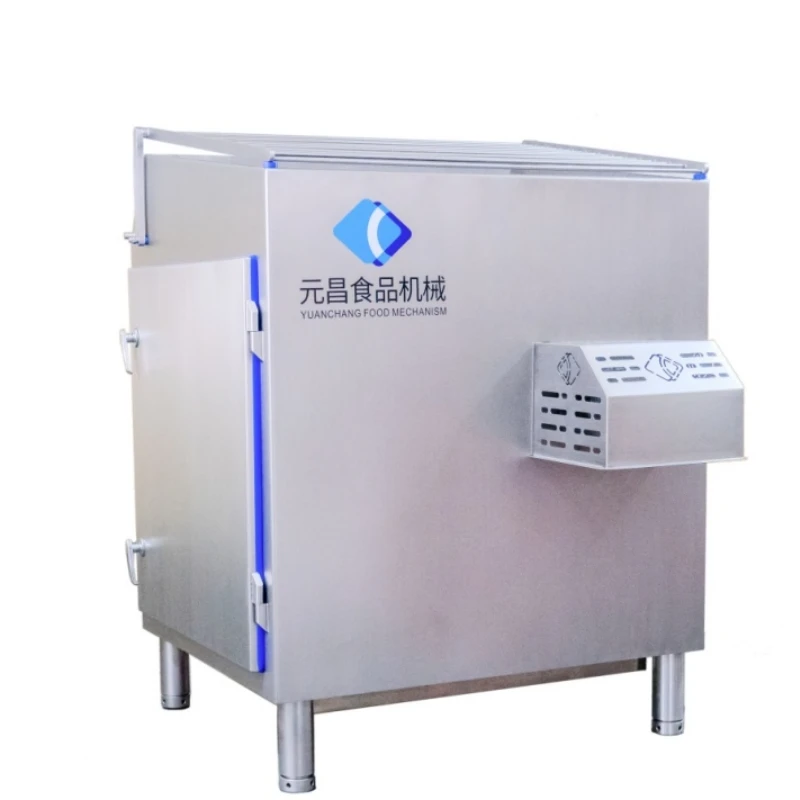
In plain terms, a commercial meat grinding machine is an electrically powered device designed to reduce large cuts of meat into finely chopped or minced form. Unlike home-grade grinders, it's built for heavy-duty continuous use, usually in butcheries, food service centers, or meat processing plants. It typically features a powerful motor, durable cutting blades, and stainless steel construction to meet hygiene standards.
Its connection to modern industry is tight — meat grinding is a cornerstone operation for making products like sausages, ground beef, kebabs, or even pet food. And, interestingly, beyond cities and factories, these machines also feature in humanitarian relief efforts where food preparation speed and safety become life-saving.
Core Components That Define Commercial Meat Grinding Machines
1. Durability & Material Quality
Most machines use stainless steel components to prevent rust and ensure food safety compliance. The motor and gearbox are designed to withstand continuous use, often over 8-10 hours a day.
2. Scalability & Throughput
Grinders vary from small units processing a few kilograms per hour to industrial beasts handling hundreds. Scalability lets businesses grow without frequent equipment upgrades.
3. Hygiene & Safety Features
Food safety standards (ISO 22000, for example) demand easy-to-clean parts and secure blade enclosures to prevent accidents and contamination.
4. Energy Efficiency
With electricity costs rising, energy-efficient motors are a big plus, lowering operational expenses and carbon footprints.
5. Customizability
Interchangeable grinding plates and adjustable speeds let operators tailor outputs precisely — a must for diverse product lines.
Quick Product Specification Table
| Feature | Standard Model | Heavy-Duty Model |
|---|---|---|
| Motor Power | 1.5 kW | 5 kW |
| Capacity (kg/hr) | 100 kg/hr | 500 kg/hr |
| Material | Stainless Steel 304 | Stainless Steel 316 |
| Grinding Plates | 3 sizes included | 5 sizes included |
| Weight | 35 kg | 80 kg |
Where Are These Machines Changing the Game?
The applications truly span the globe. In Europe and North America, large-scale meat processors rely on advanced grinders to meet stringent food safety laws while delivering tasty products quickly. Meanwhile, in parts of Africa and Asia, commercial meat grinding machines are often one of the first investments that enable small entrepreneurs to start butchers or food stalls, creating jobs and boosting local economies.
A fascinating example: after natural disasters, organizations sometimes deploy portable meat grinders to assist in food preparation camps where fresh meat can be quickly processed for large groups. Additionally, remote industrial zones with limited refrigeration use these machines for timely meat processing to avoid spoilage.
Advantages & Long-Term Value of Commercial Meat Grinding Machines
- Cost Savings: Automated grinding reduces labor costs and waste from inconsistent manual chopping.
- Hygiene & Safety: Stainless steel and sealed systems minimize contamination risks.
- Consistency: Uniform grind size improves product quality and customer satisfaction.
- Sustainability: Energy efficient models lower ecological footprints, aligning with green initiatives.
- Social Impact: Empowers local businesses, supports food security, and fosters innovation in food tech.
Aside from the obvious logistical benefits, there's an underlying emotional dimension here. Providing safe, affordable protein with dignity — in food processing and handling — nurtures trust between producers and consumers. For a business, those are priceless dividends.
Emerging Trends Reshaping Commercial Meat Grinding Machinery
Advanced automation is touching every part of the meat industry. New machines integrate digital controls that adjust grinding speed and output quality in real-time based on sensors. Some even come equipped with IoT capabilities to track maintenance and usage remotely — very helpful for larger facilities.
Materials innovation is another frontier: manufacturers are exploring antimicrobial coatings and sustainable alloys that last longer with reduced environmental impact. Plus, with rising interest in green energy, powered grinders using solar or other renewable electricity sources are beginning to appear.
Common Challenges and How the Industry is Addressing Them
One frequent issue is downtime caused by blade dullness or mechanical parts wearing out — frustrating when production schedules are tight. Fortunately, modular designs and quick-change components mean maintenance can be done swiftly without full shutdowns.
Energy consumption also remains a sticking point. Manufacturers are responding with motors designed for optimal power-to-output ratios, plus intelligent speed controls to avoid wasted energy during lighter loads.
Lastly, in lower-income regions, upfront costs can be prohibitive. Organizations and vendors offer leasing schemes, financing plans, or smaller-scale models to bridge that gap.
FAQ: Your Questions About Commercial Meat Grinding Machines Answered
- Q: How do I choose the right grinder size for my operation?
- A: Consider your daily meat volume, product variety, and space constraints. Smaller grinders suit boutique shops, while large plants need industrial-capacity units with higher throughput. Consulting with manufacturers can help tailor a solution.
- Q: What maintenance is needed to keep a grinder running smoothly?
- A: Regular blade sharpening/replacement, thorough cleaning after each use, lubricating moving parts, and inspecting electrical components are basics. Some modern machines include self-diagnostic tools to ease upkeep.
- Q: Are commercial meat grinders safe to operate?
- A: Yes, provided users follow manufacturer guidelines. Models include safety guards, emergency stops, and sealed parts to reduce risk. Training operators is essential.
- Q: Can these machines handle frozen meat?
- A: Many can process semi-frozen meat but feeding fully frozen blocks may damage blades or motors. Always check specifications and manufacturer recommendations.
- Q: How can NGOs source these machines for humanitarian projects?
- A: Many suppliers provide global shipping and customization for field needs. Look for vendors with experience in relief contexts or visit platforms like commercial meat grinding machine suppliers who also offer consultation.
Wrapping Up: Why the Commercial Meat Grinding Machine Is More Than Just a Tool
In a nutshell, these machines blend technology and tradition, supporting everything from gourmet sausages to emergency food aid. Their ongoing evolution promises even better efficiency, cleaner operations, and a greener footprint. If you’re in the meat business or work in food innovations, investing time to understand and select the right commercial meat grinding machine isn’t just smart — it’s essential.
For those curious or ready to take the next step, I recommend visiting https://www.ycmeatmech.com for an impressive range of options that balance quality with innovation.
| Vendor | Price Range | Global Shipping | Customization Options | After-Sales Support |
|---|---|---|---|---|
| YC Meat Machinery | $$$ | Yes | High | 24/7 Service |
| MeatPro Equipments | $$ | Limited | Medium | Business hours |
| Global GrindTech | $$$ | Yes | Low | Standard warranty |
In the end — and maybe this is just me being sentimental — a commercial meat grinding machine feels like more than a box of parts spinning together. It’s a crossroads where tradition embraces technology, where countless meals, livelihoods, and even communities find support.
References:
1. FAO Meat Production Statistics
2. ISO 22000 Food Safety Management
3. World Bank Global GDP Data
-
Efficient Meat Cubing Machine for Industrial Meat ProcessingNewsDec.09,2025
-
Meat Cube Cutter Machine – Efficient and Precise Meat Processing EquipmentNewsDec.09,2025
-
Machine Used To Cut Meat | High Performance Meat Cutting Machines for IndustryNewsDec.09,2025
-
Machine That Cuts Meat – Efficient, Durable Meat Processing Solutions for B2BNewsDec.09,2025
-
Machine Meat Cutter: Global Importance, Benefits & Future Trends ExplainedNewsDec.08,2025
-
Durable Machine Cut Meat Slicer for Industrial Efficiency | YC Meat MechNewsDec.08,2025