


Advanced Beef Jerky Making Equipment for Sustainable and Scalable Production
Understanding Beef Jerky Making Equipment: Why It Matters in a Global Context
Beef jerky making equipment—now, that’s not something we chat about every day, but it’s surprisingly important worldwide. At its core, this machinery helps turn raw cuts of beef into the protein-packed, easy-to-store snack we all know as jerky. Beyond the convenience, beef jerky has become a staple in global food security strategies, outdoor survival, and even humanitarian relief efforts. Think about it: a lightweight, long-lasting source of protein with minimal refrigeration needs—it’s quite a breakthrough for regions facing supply chain challenges or emergencies.
Understanding this equipment is not just about appreciating jerky lovers’ favorite snack; it’s about grasping how modern food processing technology supports sustainable nutrition, empowers small businesses, and brings innovation to an age-old food tradition.
The Global Landscape of Beef Jerky Production
Globally, the dried meat snack market is projected to reach nearly $10 billion by 2027 (source: Statista), driven by rising demand for high-protein and shelf-stable foods. Beef jerky equipment underpins this growth, enabling efficient, scalable production. Regions like North America lead consumption, but rapidly growing markets in Asia-Pacific and Latin America are catching up, spurred by urbanization and changing dietary habits.
However, challenges persist—raw beef preservation, consistent drying techniques, and energy efficiency are top concerns. This is where advancements in beef jerky making equipment come in, addressing scalability for small producers and automation for larger plants, ensuring quality while reducing waste.
What Exactly Is Beef Jerky Making Equipment?
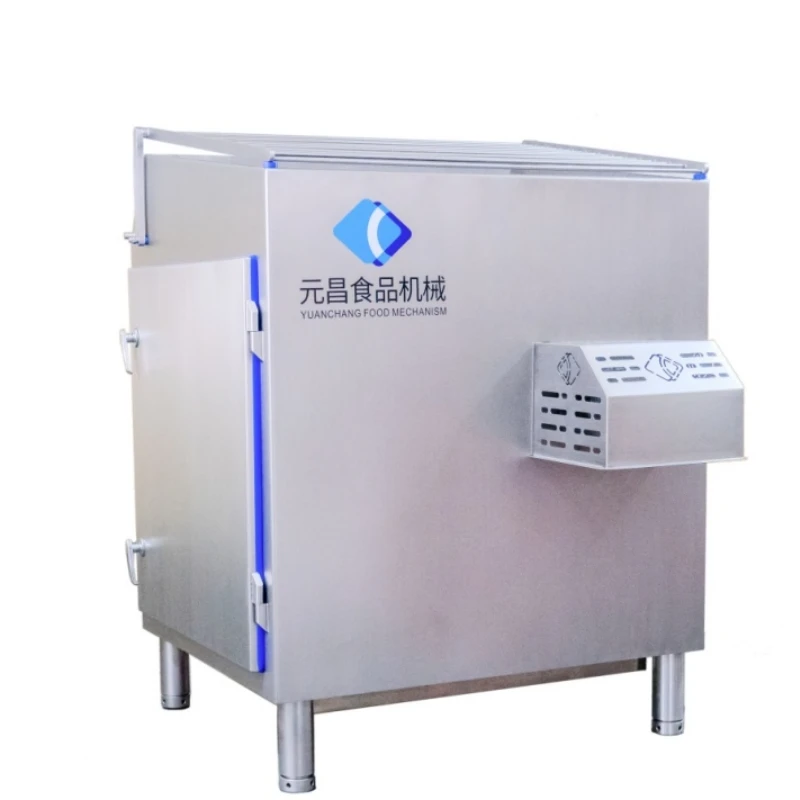
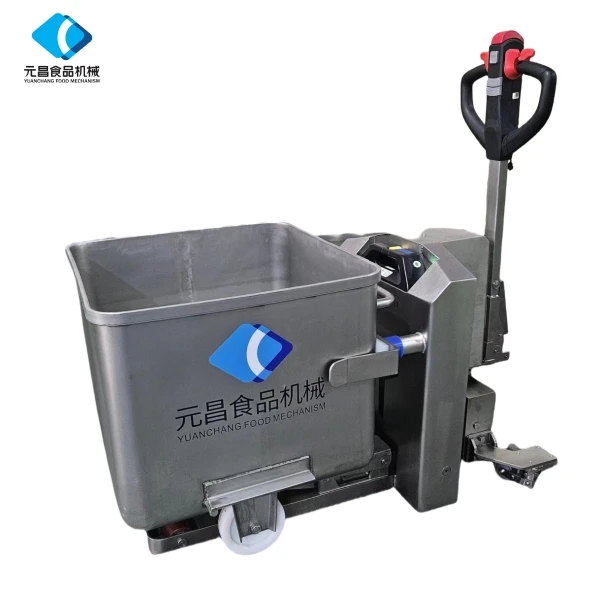
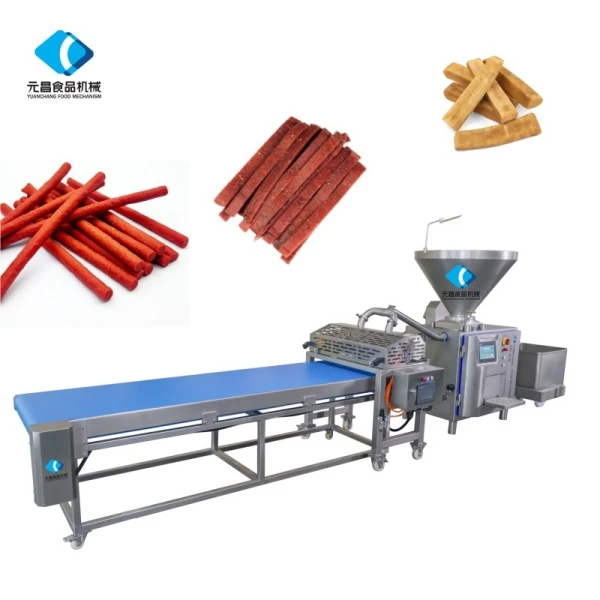
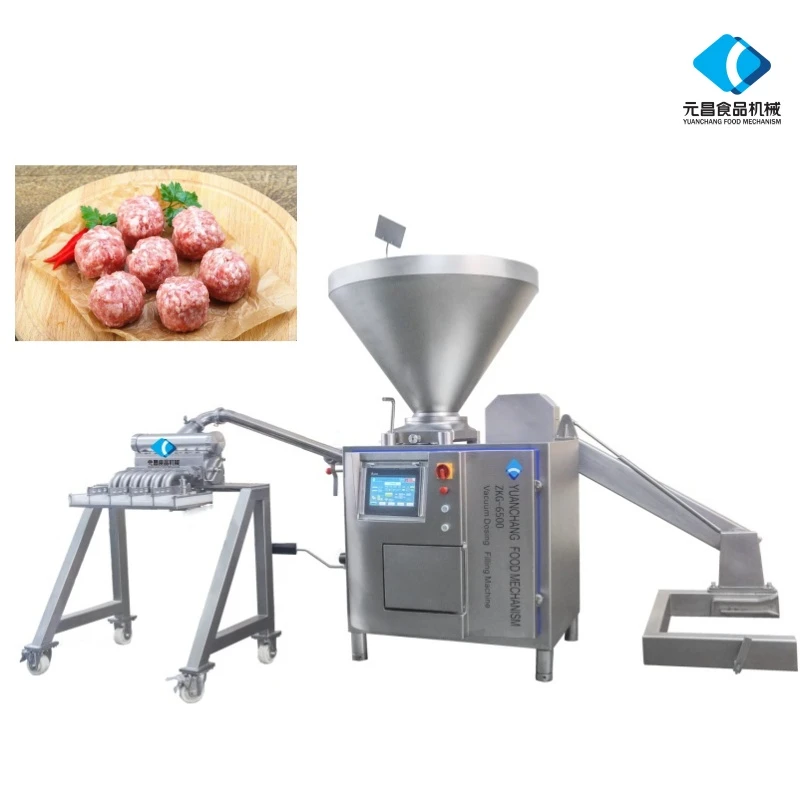
In simple terms, beef jerky making equipment refers to the collection of machinery used to transform fresh beef into dried, preserved jerky. This includes slicing machines, marinating tanks, drying ovens or dehydrators, seasoning applicators, and packaging lines. Technology ranges from manual setups for artisanal producers to highly automated, industrial-scale systems.
The connection to modern industry—and even humanitarian contexts—is striking. Jerky equipment makes shelf-stable, protein-rich food that can support remote workers, disaster relief camps, or export markets. The equipment thus serves a dual function: enhancing food processing efficiency and improving accessibility to nutritious snacks worldwide.
Core Components of Effective Beef Jerky Making Equipment
1. Durability
Jerky equipment must withstand harsh operating conditions, frequent cleaning, and intensive use. Stainless steel components and robust seals help maintain longevity and hygiene.
2. Scalability
Whether you’re catering to a small local market or mass-producing for export, the machinery should be adaptable. Modular designs allow companies to expand production without major overhauls.
3. Energy Efficiency
Drying processes typically consume a lot of power. Newer equipment uses optimized airflow and insulation to reduce energy use, which is both eco-friendly and cost-saving.
4. Uniform Drying & Quality Control
Inconsistent drying can ruin batches. Modern systems integrate sensors and programmable controls to monitor temperature and humidity, ensuring each strip gets just the right treatment.
5. Cost Efficiency
Balancing automation and affordability is key. Emerging businesses look for equipment that minimizes upfront investment but scales with growth.
Typical Product Specifications
| Model | Capacity (kg/hr) | Drying Method | Energy Consumption (kW) | Automation Level | Approx. Price (USD) |
|---|---|---|---|---|---|
| JerkyMaster 3000 | 50 | Hot Air Conveyor | 7.5 | Semi-Automatic | $25,000 |
| DryPro X200 | 120 | Infrared + Hot Air | 12 | Fully Automatic | $60,000 |
| EcoJerky 100 | 30 | Solar Drying + Fan | 2.5 | Manual/Semi | $15,000 |
Global Applications: Real-World Use Cases
Beef jerky making equipment finds a home in diverse settings across the world. In North America and Australia, commercial snack producers bank on high-throughput machines for mass retail. In emerging economies like India and parts of Africa, smaller-scale equipment helps rural entrepreneurs process local beef sustainably.
Humanitarian organizations sometimes outfit mobile jerky production units in disaster zones—think post-hurricane Puerto Rico or remote parts of East Africa—providing nutritious, portable food that’s easy to distribute and store. Even the military employs beef jerky machineries to support troops with reliable energy snacks during extended missions.
Vendor Comparison: Choosing the Right Beef Jerky Equipment Supplier
| Vendor | Product Range | Customization Options | After-Sale Support | Location | Lead Time |
|---|---|---|---|---|---|
| YC Meat Machinery | Small to Industrial | High | 24/7 Remote & Onsite | China | 6–8 Weeks |
| JerkyTech Solutions | Medium to Large | Moderate | Business Hours Only | USA | 4–6 Weeks |
| SunDry Equipments | Small Capacity | Low | Email Support | India | 10+ Weeks |
Why Invest in High-Quality Beef Jerky Making Equipment?
From a logical perspective, investing in reliable beef jerky making machinery means leaner waste, consistent product quality, and happier customers. But on a deeper level, it also means supporting sustainability—both environmental and economic. For producers in remote areas, it’s about gaining dignity and independence through entrepreneurship. For emergency agencies, it's about saving lives with shelf-stable nourishment. And let’s not forget, innovation in this industry is ongoing, improving safety and reducing carbon footprints.
The Future of Beef Jerky Making: Trends to Watch
Innovation is sizzling in the jerky equipment world. Manufacturers are moving toward integrating IoT devices for real-time monitoring, enhancing energy-efficient heating technologies, and experimenting with green drying methods powered by solar or biomass energy. Automation is improving, reducing manual labor while ensuring consistent quality.
Meanwhile, consumer trends towards exotic flavorings and alternative meats (like venison jerky) encourage equipment makers to design adaptable, multi-protein processing lines. Software-enabled customization means production recipes can be tweaked with precision, enhancing both creativity and control.
Challenges Today—and How to Tackle Them
Of course, no tech is perfect. Common issues include uneven drying, high energy costs, and steep initial investments that may deter small-scale entrepreneurs. Supply chain disruptions for spare parts can also halt production.
Smart solutions involve hybrid drying techniques combining traditional hot air with infrared or solar assistance to cut costs. Leasing equipment or modular expansions help smaller producers get started. For parts and maintenance, strong vendor partnerships and local service centers make a world of difference.
FAQ: Beef Jerky Making Equipment
- Q: What is the typical energy consumption for a mid-sized jerky dryer?
A: Mid-sized dryers typically consume between 5 to 12 kW depending on drying technology (hot air, infrared). Newer models emphasize energy efficiency by using better insulation and variable fan speeds. - Q: Can beef jerky making equipment process other meats?
A: Yes, many modern machines are designed for versatility, capable of handling meats like venison, turkey, or even seafood. Customizable marinating and drying programs help maintain quality across varieties. - Q: How scalable is the equipment for small business growth?
A: Equipment often features modular designs, meaning you can start small and add capacity as demand grows. Automation levels can also be increased gradually. - Q: Is automated jerky equipment easy to maintain?
A: Routine cleaning and regular servicing are essential, but many manufacturers offer user-friendly designs with easy access panels and remote diagnostics to minimize downtime. - Q: Where can I find replacement parts quickly?
A: Partnering with vendors like beef jerky making equipment providers who offer local support or international shipping helps ensure parts are available promptly.
Wrapping Up: Why Beef Jerky Making Equipment Deserves Your Attention
Beef jerky making equipment might seem niche at first glance, but it touches on so many vital global trends—nutrition, sustainability, business growth, and humanitarian relief. Investing in reliable, efficient equipment unlocks long-term benefits that extend well beyond the factory floor. Whether you’re a budding entrepreneur or a seasoned manufacturer, the right machinery can propel your beef jerky venture toward success.
For more insights, detailed specs, and customized solutions, drop by our website. After all, every bite of jerky starts with the right equipment.
-
Efficient Meat Cubing Machine for Industrial Meat ProcessingNewsDec.09,2025
-
Meat Cube Cutter Machine – Efficient and Precise Meat Processing EquipmentNewsDec.09,2025
-
Machine Used To Cut Meat | High Performance Meat Cutting Machines for IndustryNewsDec.09,2025
-
Machine That Cuts Meat – Efficient, Durable Meat Processing Solutions for B2BNewsDec.09,2025
-
Machine Meat Cutter: Global Importance, Benefits & Future Trends ExplainedNewsDec.08,2025
-
Durable Machine Cut Meat Slicer for Industrial Efficiency | YC Meat MechNewsDec.08,2025