


Comprehensive Guide to Automatic Meat Grinder Machine: Benefits, Trends & FAQs
Understanding the Automatic Meat Grinder Machine: A Global Perspective
Let’s start with the basics—what exactly is an automatic meat grinder machine, and why should anyone care beyond just a butcher’s shop? Well, it’s more than just a kitchen tool; it’s a cornerstone in the global meat processing industry. From small-scale butcheries to large industrial plants, and even humanitarian aid setups, these machines maximize efficiency, ensure food safety, and improve product consistency. Considering the global demand for processed meat products is expected to cross 120 million tons by 2027 (FAO), understanding the role of automatic meat grinders has never been more relevant.
In essence, this topic matters because it directly impacts food supply chains worldwide — ensuring meat processing is faster, safer, and scalable. Stick with me, and I’ll unpack the key benefits, industry uses, future trends, and even some challenges this technology faces.
Global Context: Why Automatic Meat Grinder Machines Matter
Globally, the meat processing sector is a multi-billion dollar industry with nuanced challenges such as food safety regulations, labor shortages, and a growing demand for customized meat products. The World Bank highlights that mechanization in agribusiness can increase productivity by up to 50%, with automated meat grinders playing a pivotal role in this transformation. Yet, many regions still rely on manual or semi-automatic grinders, which lack efficiency and increase contamination risks.
One issue standing out is the inconsistency in product texture and hygiene standards between manual and automatic processes. That’s precisely where automatic meat grinder machines fill the gap—by offering continuous operation, precise grinding size controls, and improved sanitation protocols, the industry benefits on multiple fronts.
What Exactly Is an Automatic Meat Grinder Machine?
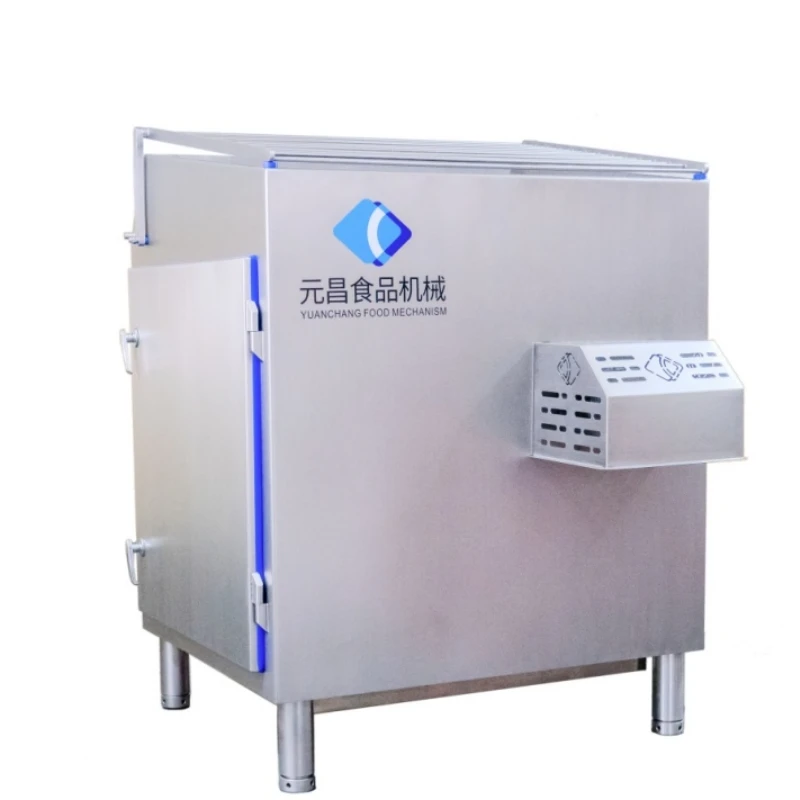
To keep it simple: an automatic meat grinder machine is a powered device designed to process large volumes of meat, breaking it down into fine or coarse minced products either for food production or distribution. Unlike traditional manual grinders, automation means less physical labor and more uniform output.
Think of it as a marriage between powerful motors, stainless steel cutting blades, and carefully engineered augers, all controlled by an interface that might allow speed adjustments or integration into larger production lines. For industries ranging from packaged food producers to emergency humanitarian relief organizations, this machine helps create consistent food products efficiently.
Core Components of a Reliable Automatic Meat Grinder Machine
1. Durability
These machines get heavy use, often running for multiple shifts, so components like the blade assemblies and motor housings are typically crafted from stainless steel or other corrosion-resistant alloys. It feels like quality and maintenance are major considerations for manufacturers and buyers alike.
2. Scalability
Whether a small butcherhop processing 20 kg per hour or an industrial plant grinding upwards of 500 kg, the machine’s design must scale accordingly. Speed settings, hopper size, and output capacity are all adjustable to match throughput needs.
3. Cost Efficiency
Beyond purchase price, cost considerations include energy consumption, maintenance schedules, and spare parts availability. Interestingly, some energy-efficient models claim to reduce electricity use by 15–20% compared to older machines.
4. Hygiene and Sanitation
Food safety standards demand that grinding machines are easy to clean and resistant to bacterial growth. Food-grade stainless steel and modular, detachable parts help simplify this—keeping contamination risks minimal.
5. User-Friendly Controls
Simplicity in operation, with features like start/stop buttons, speed control, and overload protection, ensure minimal operator error and greater safety on the production floor.
Product Specifications
| Feature | Specification |
|---|---|
| Motor Power | 1.5 kW - 5.5 kW |
| Grinding Capacity | 50 - 500 kg/hour |
| Material | Food-grade stainless steel |
| Motor Voltage | 220V / 380V options |
| Safety Features | Overload protection, emergency stop |
| Weight | 100-300 kg |
Global Applications & Use Cases of Automatic Meat Grinder Machines
These machines are everywhere — from large Western meatpacking plants to smaller-scale butcheries in developing countries. A notable example is their use in post-disaster relief operations where NGOs prepare food quickly and safely. For instance, producing uniform minced meat that can be cooked and distributed en masse reduces waste and improves nutritional delivery.
In Southeast Asia and Latin America, small-scale meat processors incorporate automatic grinders to meet rapidly growing urban demand for processed meats. Food manufacturers use them to produce sausages, burger patties, and ready-made meals, catering to busy consumers worldwide.
Oddly enough, some remote industrial zones in Northern Europe also rely heavily on these machines within confined processing units to minimize labor and contamination risks under cold climate constraints.
Vendor Comparison: Leading Automatic Meat Grinder Machine Manufacturers
| Vendor | Capacity (kg/hr) | Price Range (USD) | Key Feature |
|---|---|---|---|
| Y.C. Meat Machinery | 50 - 500 | $3,000 - $12,000 | Energy-efficient motors, modular design |
| GlobalGrind | 100 - 600 | $4,500 - $15,000 | Advanced automation & remote monitoring |
| MeatMax Solutions | 80 - 450 | $3,200 - $10,500 | Compact footprint, fast cleaning systems |
Advantages & Long-Term Value of Automatic Meat Grinders
Where do I even start? The immediate benefits are obvious: they save hours of manual labor and increase consistency, which is crucial for product quality. More subtly, these machines build trust with consumers who value safety and hygiene — a major selling point in today’s food market.
From a sustainability perspective, certain models optimized for lower waste discharge and energy usage reduce operational costs and environmental impact. This kind of innovation aligns with global food safety standards such as ISO 22000 and supports ethical food production practices.
And let’s not forget social impact. Automating meat grinding often frees workers from repetitive strain injuries and creates safer workplaces — which, frankly, boosts morale and reduces turnover.
Looking Ahead: Future Trends & Innovations
What’s next for the automatic meat grinder machine? Well, we’re seeing trends toward digital transformation, with IoT-enabled sensors monitoring blade wear or throughput rates in real-time. There’s also a push for integrating renewable energy sources—like solar-powered meat grinders—for off-grid or disaster zone applications.
Materials are evolving too — antimicrobial coatings and self-cleaning surfaces could soon become standard, minimizing downtime. And of course, as plant-based and hybrid meat products take off, automatic grinders are being adapted to handle alternative proteins without cross-contamination issues.
Challenges & Solutions
Despite all this promise, I would be remiss not to mention issues like the upfront costs of automation, technical skill gaps for maintenance, and variability in electricity supply across regions. These factors can slow adoption, especially in developing markets.
Experts often suggest leasing models or “grinder-as-a-service” setups to mitigate capital investment hurdles. Additionally, modular design that allows on-site repairs and training programs tailored for local workers help solve operational bottlenecks.
FAQ: Frequently Asked Questions About Automatic Meat Grinder Machines
- Q: What grinding capacity should my business consider when buying an automatic meat grinder?
A: Capacity depends on your production volume. Small butcheries might need 50-100 kg/hr, while larger plants require machines capable of 300-500 kg/hr or more. It’s best to forecast your needs for the next 3-5 years to choose scalable equipment. - Q: How easy is it to clean and maintain these grinders?
A: Most automatic grinders feature detachable parts made of stainless steel for hygiene. Regular cleaning schedules and proper lubrication are necessary. Some models even have quick-release mechanisms to speed up cleaning. - Q: Can automatic meat grinders handle non-meat materials like vegetables or plant proteins?
A: Yes, with the right blade settings and design, many machines can grind alternative proteins. However, cross-contamination must be carefully avoided, so separate equipment or thorough cleaning between uses is important. - Q: Are there energy-efficient models available?
A: Definitely. Many vendors now offer grinders with improved motors and adaptive speed controls that reduce electricity consumption by up to 20%, aligning with sustainability goals. - Q: How do I import these machines internationally?
A: Import regulations vary by country, but working with reputable manufacturers who handle customs and offer warranty service is key. You may also want to consider local distributor partnerships for easier support.
Summary and Invitation
The automatic meat grinder machine remains a vital tool in modern food production—combining efficiency, hygiene, and adaptability. For businesses prioritizing quality and scalability (and frankly who isn't these days), investing in robust meat grinders pays dividends in the long run.
If you’re curious about the options available or want to explore how these machines can fit your specific needs, please visit our site for detailed specs and expert advice. The future of meat processing is automated — might as well get ahead of the curve.
Takeaway: An automatic meat grinder machine isn’t just a tool; it’s a transforming agent in food safety, industrial efficiency, and even sustainability worldwide.
References
-
Efficient Meat Cubing Machine for Industrial Meat ProcessingNewsDec.09,2025
-
Meat Cube Cutter Machine – Efficient and Precise Meat Processing EquipmentNewsDec.09,2025
-
Machine Used To Cut Meat | High Performance Meat Cutting Machines for IndustryNewsDec.09,2025
-
Machine That Cuts Meat – Efficient, Durable Meat Processing Solutions for B2BNewsDec.09,2025
-
Machine Meat Cutter: Global Importance, Benefits & Future Trends ExplainedNewsDec.08,2025
-
Durable Machine Cut Meat Slicer for Industrial Efficiency | YC Meat MechNewsDec.08,2025