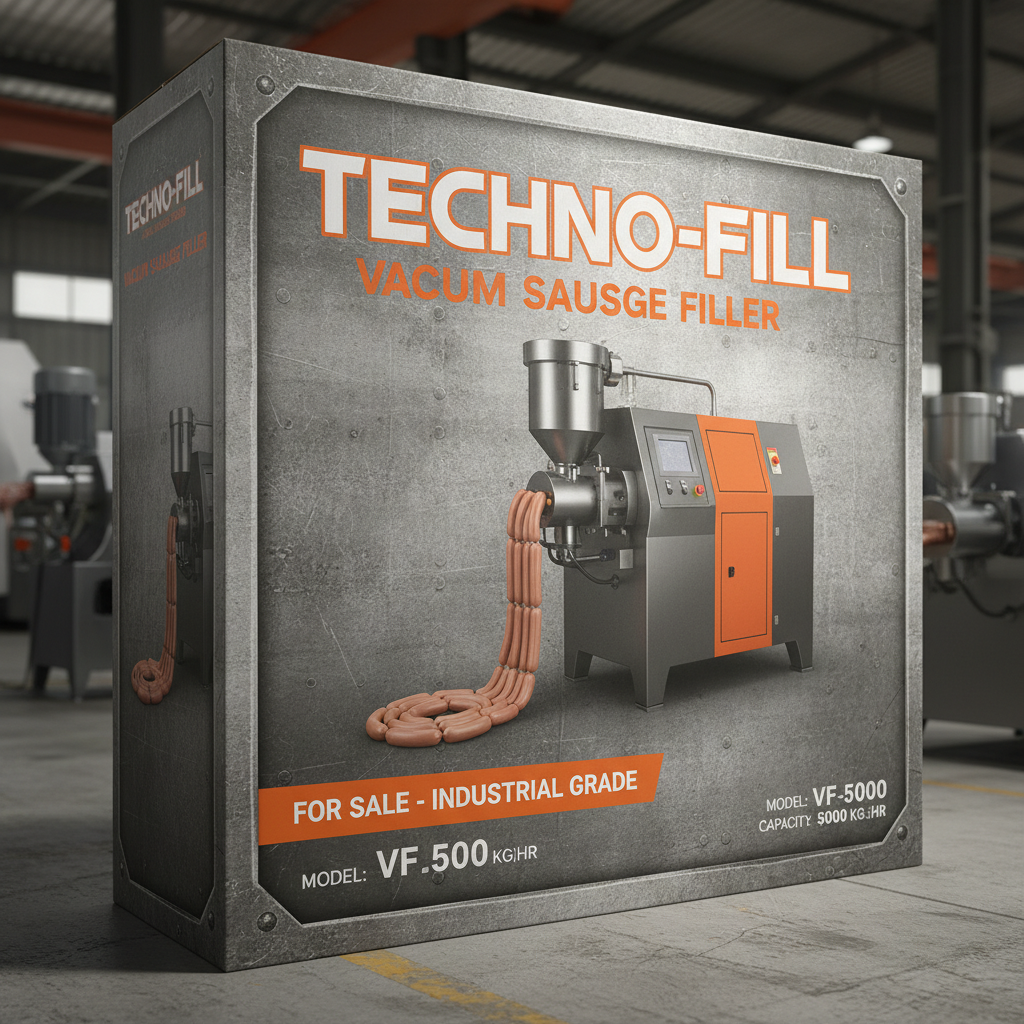

When evaluating the heavy duty meat grinder price, B2B procurement officers must look beyond the initial sticker cost and analyze the total cost of ownership. Industrial meat processing requires machinery that can handle immense pressure and continuous operation without compromising the texture of the raw material. This guide examines the technical variables that drive the cost of professional grinding systems and how to balance performance with budget constraints.
In the specialized food equipment manufacturing sector, the difference between a standard commercial grinder and a truly heavy-duty industrial system lies in the engineering of the drive train and the quality of the alloys used in the cutting components. For meat processors, selecting the wrong equipment often leads to increased downtime, higher energy bills, and inconsistent product quality, which can significantly erode profit margins over time.
Throughout this analysis, you will learn how to identify high-value specifications, understand the correlation between capacity and cost, and evaluate the capabilities of manufacturers like Hebei Yuanchang Food Mechanism & Technology Co., Ltd. By focusing on efficiency and durability, buyers can make informed decisions that optimize their production lines for the long term.
Analyzing Industrial Grinding Equipment Costs
The pricing of industrial-grade meat processing machinery is not arbitrary; it is a reflection of the engineering complexity and the operational demands of the food industry. Unlike small-scale equipment, a heavy duty meat grinder price is heavily influenced by the machine's ability to maintain temperature control during high-volume processing. When meat is ground at high speeds, friction generates heat that can denature proteins and reduce the shelf life of the product. Therefore, premium machines often integrate advanced cooling mechanisms or utilize specific metallurgy to minimize thermal transfer.
Furthermore, the cost is tied to the precision of the grinding plates and knives. In professional settings, the consistency of the grind—whether for sausages, burgers, or specialty mince—is critical for the final product's mouthfeel and binding properties. Machines that offer interchangeable plates with high tolerance levels and wear-resistant coatings command a higher price but offer significantly lower replacement costs. From a procurement perspective, the investment shifts from a simple purchase to a strategic asset acquisition designed to stabilize production output.
Key Factors Influencing Procurement Decisions
Choosing the right industrial grinder requires a multi-dimensional evaluation. It is not merely about the throughput per hour, but about how that throughput is achieved without sacrificing the integrity of the meat. The following dimensions break down the primary technical and commercial drivers that affect the final investment and operational efficiency.
Material Grade and Durability
The primary driver of cost in heavy-duty machinery is the grade of stainless steel used. In the food industry, 304 and 316 stainless steel are the gold standards for hygiene and corrosion resistance. Lower-cost alternatives may use mixed metals or lower-grade alloys that are prone to pitting and oxidation, which can lead to food safety risks. Investing in high-grade stainless steel ensures that the equipment can withstand aggressive cleaning agents and maintain a sterile environment, which is non-negotiable for global export standards.
| Material Type | Durability Level | Hygiene Rating | Cost Impact |
|---|---|---|---|
| Standard Carbon Steel | Low | Poor | Economical |
| Grade 304 Stainless | High | Excellent | Moderate |
| Grade 316 Stainless | Very High | Superior | Premium |
| Hardened Alloy Knives | Extreme | Excellent | Increases Base Price |
| Chromium-Plated Parts | Moderate | Good | Mid-Range |
| Composite Polymers | Low | Moderate | Budget-Friendly |
Production Capacity Requirements
Capacity determines the physical scale of the machine and the robustness of its internal components. A system designed for 500kg per hour requires different torque specifications than one designed for 5,000kg. As capacity increases, the cost does not scale linearly but often jumps based on the need for larger motors, reinforced frames to prevent vibration, and larger feeding hoppers. Buyers must accurately forecast their peak demand to avoid under-investing in a machine that will burn out or over-investing in idle capacity.
Motor Power and Energy Efficiency
The motor is the heart of the grinder. Heavy-duty systems utilize high-torque motors that can handle the resistance of frozen or dense meat without stalling. Modern systems often incorporate Variable Frequency Drives (VFD), which allow operators to adjust the grinding speed based on the material type. While VFDs increase the initial purchase price, they reduce energy consumption and prevent mechanical shock to the gears, thereby extending the overall lifespan of the machine.
Customization and Specialized Features
Standard machines meet basic needs, but industrial operations often require customization. This might include specific hopper dimensions to fit existing conveyor belts or integrated vacuum systems to remove air pockets. Hebei Yuanchang, for example, provides customized services based on decades of R&D. Features such as automatic feeding systems or specialized discharge chutes add to the cost but significantly reduce manual labor costs and improve the flow of the production line.
Maintenance and Long-term Lifecycle
The true value of a machine is found in its maintenance interval. High-end grinders use self-lubricating bearings and reinforced gearboxes that require less frequent servicing. When comparing prices, it is vital to consider the cost of wear parts—such as knives and plates. A machine that is cheaper to buy but requires expensive, proprietary replacement parts every three months is more costly over a five-year period than a premium machine with standardized, long-lasting components.
Compliance and Food Safety Standards
International markets demand strict adherence to HACCP and CE standards. Equipment that is designed with "hygienic design" principles—meaning no dead zones where meat can accumulate and bacteria can grow—is more expensive to engineer. Smooth welds, rounded corners, and easy-disassembly features are essential for passing health inspections. For companies exporting to over 70 countries, ensuring the machinery meets these global benchmarks is a critical part of the investment.
Evaluating Supplier Technical Support
A piece of machinery is only as good as the support behind it. In B2B procurement, the "price" should include the quality of after-sales service, availability of spare parts, and technical training. A supplier that offers one-stop customized services and has a history of independent R&D is more likely to provide a machine that can be updated or repaired quickly. This reduces the risk of catastrophic production halts, which can cost a factory thousands of dollars per hour.
FAQ
What usually drives the cost of industrial meat grinding equipment?
The primary drivers are the quality of the stainless steel (such as 304 or 316), the torque capacity of the motor, and the precision of the cutting components. Additionally, integrated features like VFDs for speed control, cooling systems to prevent meat heating, and certifications for food safety (CE/HACCP) add to the final investment cost.
How do I choose between a standard and a heavy-duty grinder?
The choice depends on your daily volume and the state of the meat. If you are processing frozen blocks or operating 8+ hours a day, a heavy-duty system is essential to avoid motor burnout and ensure consistency. Standard machines are suitable for low-volume, fresh-meat processing where downtime is less critical to the business model.
Can customization reduce long-term operational costs?
Yes. Customizing a machine to fit your specific production flow—such as adding an automated feeding hopper or adjusting the discharge height for your conveyors—reduces manual labor and minimizes product handling. While this increases the initial cost, it improves throughput and reduces the risk of employee injury, lowering overall operational expenses.
What maintenance should I expect for industrial grinding systems?
Daily maintenance includes thorough sanitation of all contact surfaces to prevent bacterial growth. Weekly or monthly tasks involve checking gear lubrication, inspecting knife sharpness, and verifying belt tension. High-quality machines are designed for easy disassembly, making these tasks faster and reducing the total downtime.
How does motor power affect the quality of the ground meat?
Sufficient power ensures that the meat is pushed through the plates at a consistent speed without "smearing" the fat and protein. When a motor struggles, it can cause uneven grinding and increased heat friction, which negatively affects the texture and color of the meat. A high-torque motor maintains the integrity of the meat fibers.
What should I ask a supplier before purchasing a large-scale grinder?
Ask about the specific grade of stainless steel used, the warranty on the motor and gearbox, the lead time for replacement knives, and whether the machine is compliant with your local health regulations. Additionally, inquire about their ability to provide remote technical support or on-site training for your staff.
References and further reading
- Industrial Food Processing Standards - Hygiene and Material Compliance Guide.
- Meat Science and Technology: Thermal Impact of Mechanical Grinding.
- B2B Procurement Strategy for Food Machinery Lifecycle Management.
Related Articles