


Meat Vacuum Mixer | Achieve Tender, Flavorful Meat Efficiently
Industry Trends and the Evolving Role of Vacuum Mixing
The global food processing industry is undergoing significant transformation, driven by consumer demand for higher quality, longer shelf life, and increasingly diverse processed meat and plant-based protein products. Automation and advanced processing techniques are no longer luxuries but necessities for maintaining competitiveness and adhering to stringent food safety standards. In this dynamic landscape, the role of specialized equipment like the meat vacuum mixer has become paramount. This technology addresses critical challenges such as inconsistent product quality, limited shelf life, and inefficient ingredient absorption, which are common in traditional mixing methods.
Key trends indicate a growing emphasis on optimizing protein extraction, enhancing flavor profiles, and improving the overall texture of processed foods. Vacuum technology, as employed in advanced mixing solutions, plays a pivotal role in achieving these objectives. By operating in a reduced-oxygen environment, these mixers mitigate oxidation, which is a primary cause of spoilage and color degradation in meat products. Furthermore, the vacuum enhances the penetration of marinades and brines, leading to more succulent and flavorful end products, a feature increasingly sought after by both consumers and B2B clients.
The demand for processing equipment capable of handling both meat and increasingly popular plant-based alternatives also underscores the versatility required. Related technologies such as the meat tumbler mixer and general vacuum meat mixer solutions are also seeing innovation, but the integrated design and precise control offered by dedicated vacuum mixing technology provides distinct advantages in batch consistency and product quality. Market analysis by industry experts projects a compounded annual growth rate of 5-7% in the global processed meat market through 2028, reinforcing the need for efficient and hygienic mixing solutions that can deliver superior product characteristics consistently.
Precision Manufacturing: The Core of Reliable Vacuum Mixing Equipment
The manufacturing process of high-performance vacuum mixing equipment is a testament to precision engineering and adherence to stringent quality control standards. It begins with the meticulous selection of materials, primarily food-grade stainless steel (e.g., SUS304 and SUS316L). SUS304 is widely used for its excellent corrosion resistance and hygiene properties, while SUS316L is often chosen for components exposed to more aggressive brines or chemicals due to its enhanced resistance to chloride corrosion, crucial for applications in the food processing industry.
Manufacturing Process Flow:
- Material Reception & Quality Control: Incoming stainless steel sheets, tubes, and components are thoroughly inspected for material composition, surface finish, and dimensional accuracy, adhering to internal quality benchmarks and international standards. This initial step is vital to ensure the integrity of the final product.
- Cutting & Forming: Precision laser cutting and CNC bending machines are employed to shape the stainless steel into the mixer's drum, frame, and other structural components. This ensures minimal material waste and highly accurate part dimensions, critical for structural stability and proper sealing.
- Welding & Surface Treatment: All welding processes, typically TIG (Tungsten Inert Gas) or MIG (Metal Inert Gas), are performed by certified welders to create smooth, crevice-free seams that prevent bacterial accumulation, critical for food safety and ease of cleaning. Post-welding, surfaces undergo extensive polishing to achieve a hygienic, easy-to-clean finish, often to a Ra value of less than 0.8 µm suitable for food contact surfaces.
- CNC Machining of Critical Components: Key moving parts such as mixing paddles, shafts, and gear assemblies are manufactured using advanced CNC machining centers. This ensures tight tolerances, optimal balance, and durability, crucial for smooth operation, reduced vibration, and extended service life.
- Assembly: The structural frame, mixing drum, vacuum pump, motor, reduction gear, and advanced control systems (e.g., PLC with HMI) are meticulously assembled. Food-grade seals and gaskets are used throughout to maintain vacuum integrity and prevent leakage, complying with FDA guidelines for material contact.
- Testing & Validation: Each unit undergoes rigorous testing, including vacuum leakage tests, functional tests (mixing patterns, speed control), electrical safety tests (e.g., in accordance with CE directives), noise and vibration analysis, and performance validation with simulated product loads. Compliance with international standards such as ISO 22000 for food safety management and ANSI (American National Standards Institute) standards for design and performance is verified.
The robust design and manufacturing ensure an impressive service life for a high-quality meat vacuum mixer, often exceeding 10-15 years with proper maintenance, significantly reducing total cost of ownership for our clients. These machines are engineered for demanding environments within target industries such as large-scale meat processing plants (beef, pork, poultry), seafood processing facilities, ready-meal manufacturers, and emerging plant-based protein production lines. Advantages in these scenarios include substantial energy savings through optimized motor efficiency and vacuum pump design, as well as superior corrosion resistance due to the choice of high-grade stainless steel and meticulous surface finishing.
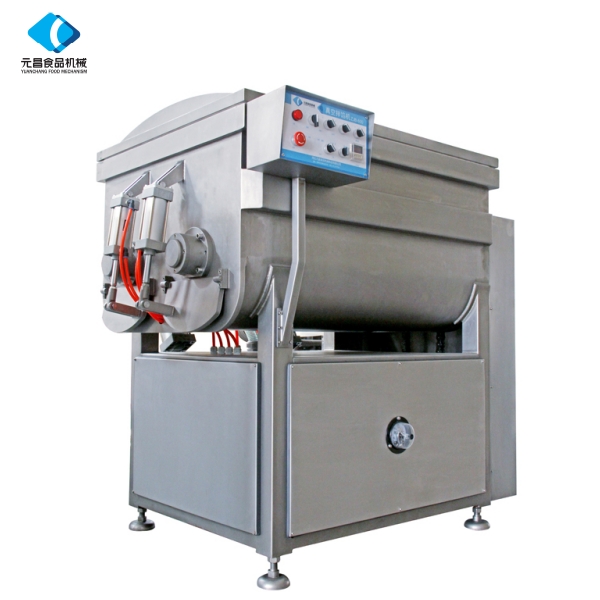
Figure 1: Internal view of a meat vacuum mixer demonstrating robust paddle design.
Technical Specifications and Performance Parameters
Understanding the precise technical specifications of a meat vacuum mixer is crucial for integrating it effectively into a production line and optimizing its performance. Our range of mixers is designed to meet diverse operational scales and product requirements, ensuring both efficiency and consistency. Below is a detailed table outlining typical parameters for our advanced models, reflecting a commitment to high-performance engineering.
Typical Vacuum Mixer Specifications
| Parameter | Unit | Range / Value (Example Model) |
|---|---|---|
| Mixing Capacity | Liters / Kg | 200L / 120-150kg to 1500L / 900-1200kg |
| Ultimate Vacuum Degree | kPa (abs) | -85 to -98 kPa (adjustable) |
| Mixing Speed | RPM | Variable, 5 - 25 RPM (forward/reverse, programmable) |
| Main Motor Power | kW | 4.0 kW to 15.0 kW (IE3/IE4 efficiency class) |
| Vacuum Pump Power | kW | 1.5 kW to 4.0 kW (oil-lubricated or dry vane options) |
| Dimensions (L x W x H) | mm | Approx. 2200x1300x1800 to 4000x2200x2500 |
| Machine Weight | Kg | 700 kg to 3000 kg |
| Material Contact Parts | - | SUS304 (standard) / SUS316L (optional) Stainless Steel |
| Control System | - | Siemens/Allen-Bradley PLC with color Touchscreen HMI, Multi-program storage, Recipe management |
| Safety Features | - | Emergency stop, lid interlock, motor overload protection, CE-compliant guarding |
These parameters highlight the capability of modern vacuum meat mixer systems to provide precise control over the mixing process. The variable mixing speed allows for gentle handling of delicate products or more aggressive mixing for dense formulations. The robust vacuum system is capable of achieving deep vacuum levels, crucial for optimal product quality. Integration with PLC and HMI systems provides operators with intuitive control, allowing for custom program storage and easy recall for different product batches, ensuring consistent results batch after batch, thereby significantly improving operational efficiency and product consistency.
Diverse Application Scenarios in Food Processing
The versatility of the meat vacuum mixer makes it an indispensable asset across a wide spectrum of food processing operations. Its ability to perform under vacuum significantly broadens its application compared to conventional mixers, delivering superior results in both traditional meat products and innovative plant-based formulations, optimizing key processes and enhancing final product attributes.
- Marination and Brining Optimization: A primary application involves the efficient marination of various cuts of meat, including poultry (e.g., chicken wings, turkey breast), beef, pork, and fish. The vacuum environment opens the muscle fibers, allowing marinades and brines to penetrate deeper and more uniformly in a shorter time. This results in enhanced tenderness, improved flavor absorption, and higher yields (typically 5-10% increase), crucial for products like pre-marinated steaks and chicken nuggets.
- Sausage, Ham, and Deli Meat Production: For comminuted meat products, this advanced mixer ensures a homogeneous blend of meat, fat, spices, and binders. The vacuum minimizes air pockets, preventing undesirable oxidation, improving color stability, and enhancing the binding properties of proteins, leading to superior texture and sliceability for products such as hot dogs, cured hams, and bologna.
- Meatball and Patty Formulations: Achieving uniform mixing of ground meat with binders, seasonings, and other ingredients is critical for consistent texture and cooking performance in meatballs, burgers, and other formed products. Vacuum mixing ensures even distribution and reduces the likelihood of product crumbling during cooking, maintaining product integrity.
- Vegetarian and Plant-Based Protein Mixing: As the market for plant-based alternatives expands, the meat vacuum mixer proves equally effective. It can thoroughly blend various plant proteins, starches, fibers, and flavorings to create consistent, high-quality vegetarian sausages, patties, and other meat analogues with desirable texture and mouthfeel, minimizing ingredient separation.
- Restructured Meat Products: For products requiring optimized protein extraction and binding, such as certain restructured steaks or nuggets, the vacuum environment facilitates improved protein solubility and distribution, enhancing the overall integrity and bite of the final product while reducing the need for artificial binders.
These diverse applications underscore the machine's capability to deliver consistent, high-quality results, leading to improved customer satisfaction and reduced product variability across different food segments. Food processors leveraging this technology report significant improvements in both yield and organoleptic properties, solidifying its place as a critical tool in modern food production.
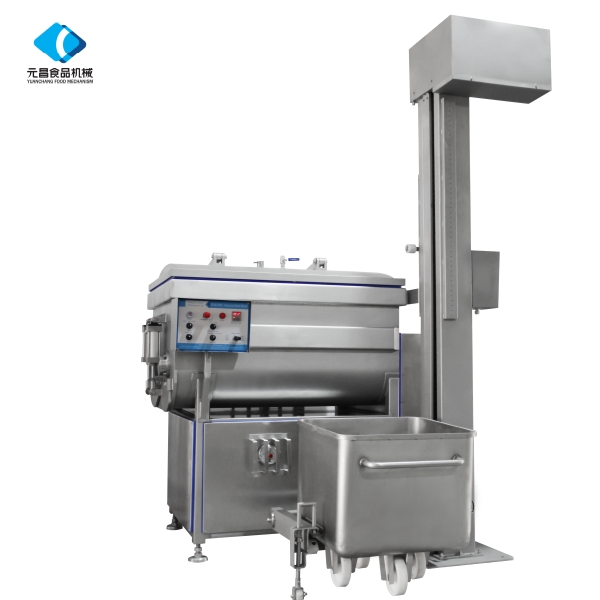
Figure 2: A batch of marinated meat in a meat vacuum mixer during operation.
Unparalleled Technical Advantages of Advanced Vacuum Mixing
The technical superiority of a modern meat vacuum mixer stems from several key design and operational principles that collectively elevate product quality, efficiency, and food safety standards beyond what traditional atmospheric mixers can achieve. These advantages directly translate into tangible benefits for food processors, offering a competitive edge in today's demanding market.
- Enhanced Product Quality & Shelf Life: The primary advantage lies in the vacuum environment. By removing air, the mixer significantly reduces oxidation of fats and myoglobin, preserving the natural color, flavor, and nutritional value of the product. This also inhibits aerobic microbial growth, extending the product's shelf life by up to 50%, reducing waste and increasing market reach.
- Superior Marinade Penetration & Yield: Vacuum conditions facilitate the expansion of muscle fibers and the rapid, deep absorption of marinades, brines, and seasonings. This results in products that are more tender, juicier, and uniformly flavored. For processors, this means higher yields due to better moisture retention and reduced processing times for marination, often by 30-50% compared to non-vacuum methods.
- Improved Texture and Consistency: The absence of air bubbles during mixing prevents spongy textures and ensures a dense, uniform product structure. For ground meats, sausages, and restructured products, this translates to better binding, reduced crumbling, and consistent bite characteristics, meeting consumer expectations for premium quality and reducing rework rates.
- Optimized Protein Extraction: In certain meat applications, especially for emulsified and restructured products, vacuum mixing aids in the extraction of soluble myofibrillar proteins (e.g., myosin). These proteins act as natural binders, improving the cohesion of comminuted and reformed meat products, enhancing their structural integrity without relying excessively on artificial additives.
- Exceptional Hygiene and Ease of Cleaning: Constructed from food-grade stainless steel (SUS304/316L) with highly polished surfaces and crevice-free welding, these machines are designed for effortless cleaning and sanitization. Features like tilting drums, removable paddles, and optional integrated CIP (Clean-In-Place) systems minimize downtime and uphold the highest standards of food safety, adhering strictly to HACCP principles and preventing cross-contamination.
- Energy Efficiency: Modern vacuum mixers incorporate energy-efficient IE3/IE4 motors and optimized vacuum pump systems. Coupled with reduced processing times, this leads to lower operational costs and a smaller environmental footprint compared to older or less efficient mixing technologies, with some models offering up to 20% energy savings.
- Versatile and Programmable Controls: Equipped with advanced PLC-based control systems and intuitive HMI touchscreens, operators can precisely control mixing speed, direction, vacuum level, and cycle times. This programmability allows for tailoring the mixing process to a wide variety of product formulations, ensuring consistency across different batches and products, and facilitating rapid recipe changes.
These advantages collectively underscore why a significant number of leading food processors are investing in advanced vacuum meat mixer technology to secure a competitive edge and deliver superior products to the market, demonstrating a clear return on investment through enhanced quality and efficiency.
Vendor Comparison: Choosing the Right Vacuum Mixer Partner
Selecting advanced mixing equipment is a strategic decision that impacts production efficiency, product quality, and long-term operational costs. While many manufacturers offer vacuum meat mixer solutions, discerning the critical differences in design, build quality, and after-sales support is essential for B2B decision-makers. This comparison highlights key factors to consider when evaluating potential vendors and their offerings, ensuring an informed procurement process.
Comparative Analysis of Vacuum Mixer Offerings
| Feature/Criterion | Vendor A (Entry-Level) | Vendor B (Mid-Range) | Our Offering (Premium Performance) |
|---|---|---|---|
| Construction Material & Finish | SUS304 contact, standard polish, some bolted joints | SUS304 contact, good polish, mostly welded joints | SUS304/316L (optional) for all contact surfaces, high-grade mirror polish (Ra < 0.8 µm), fully welded hygienic frame |
| Vacuum System Quality | Basic oil-lubricated pump, minimal filtration, lower max vacuum | Reputable local pump, standard filtration, good vacuum | High-efficiency international brand vacuum pump (e.g., Busch type), multi-stage filtration, -98 kPa achievable, low maintenance |
| Control System Interface | Basic push-button, limited timer, no recipe storage | Small HMI, basic PLC, limited program storage | Large, intuitive HMI (Siemens/Allen-Bradley), advanced PLC, extensive recipe management, real-time data logging, optional remote access & IoT integration |
| Cleaning & Sanitation | Manual washdown, potential dead corners, moderate access | Good access for manual cleaning, some hygienic design features | Full CIP compatibility, tool-free disassembly for paddles, sloped surfaces for drainage, NSF compliant design for ultimate hygiene |
| Energy Efficiency | Standard efficiency motors, fixed-speed operation | IE2/IE3 motors, some VFD for main mixer | All motors IE3/IE4 equivalent with VFDs, intelligent vacuum control and optimized cycle times for up to 25% energy reduction |
| After-Sales Support | Limited regional, basic parts, no training | Regional service, standard parts, basic training | Global technical support network, 24/7 remote diagnostics, comprehensive on-site training & commissioning, extensive spare parts inventory, preventative maintenance programs |
Our offering is designed to strike an optimal balance between premium features and cost-effectiveness, ensuring that clients receive a durable, efficient, and hygienically superior meat vacuum mixer that provides excellent return on investment over its extended service life. This detailed comparison aims to empower purchasers with the insights needed to make an informed decision aligned with their operational demands and budget constraints, emphasizing long-term value and operational reliability.
Customized Solutions for Unique Production Requirements for Vacuum Mixers
Recognizing that no two food processing operations are identical, we specialize in providing highly customized vacuum mixing solutions tailored to the precise needs of our clients. Standard models offer a robust foundation, but specific production layouts, unique product formulations, or complex integration requirements often necessitate bespoke modifications. Our engineering team collaborates closely with clients to develop configurations that seamlessly fit into existing production lines and optimize performance, ensuring maximum operational efficiency.
Customization options for an advanced vacuum meat mixer can include, but are not limited to:
- Capacity Adaptation: From compact units for pilot plants or small-batch production (e.g., 50L) to large-scale industrial mixers capable of processing several tons per hour (e.g., 2000L+), the drum volume and associated power components can be scaled to precisely match throughput requirements.
- Specialized Paddle Designs: Depending on the viscosity, delicacy, or desired texture of the product, paddle geometry can be significantly modified. Options include spiral paddles for gentle mixing of whole muscle cuts, ribbed paddles for aggressive blending of dense emulsions, or unique helix designs for plant-based formulations to ensure optimal shear and homogeneity without damaging product structure.
- Integration with Ancillary Equipment: We design mixers for seamless integration with automated loading systems (e.g., bin loaders, vacuum transfer systems, conveyors), efficient unloading systems (e.g., precise discharge chutes, pump-out systems for liquid products), chilling units (e.g., CO2 or liquid nitrogen injection ports), or centralized SCADA control networks, enhancing overall line efficiency and automation.
- Material Grade Upgrades: For environments with highly corrosive brines (e.g., high-salt content fish processing) or extremely demanding sanitation regimes, the entire mixer or specific contact parts can be fabricated from SUS316L stainless steel, offering enhanced chemical resistance and extended durability, far exceeding SUS304.
- Advanced Control Systems: Beyond standard PLC/HMI, customizations can include enhanced data logging capabilities for regulatory compliance, remote access for monitoring and troubleshooting, integration with factory-wide ERP systems, or specific protocol compatibility (e.g., OPC UA, Modbus) for existing automation networks.
- Temperature Control: Double-jacketed mixing drums for cooling (e.g., glycol, chilled water) or heating (e.g., steam, hot water) can be incorporated to maintain precise product temperatures during processing, crucial for sensitive formulations or specific thermal processing requirements.
Our approach ensures that each customized meat vacuum mixer not only meets current production demands but also offers the flexibility to adapt to future product developments and market trends, thereby protecting our clients' investment and fostering long-term operational excellence and innovation in their processing capabilities.
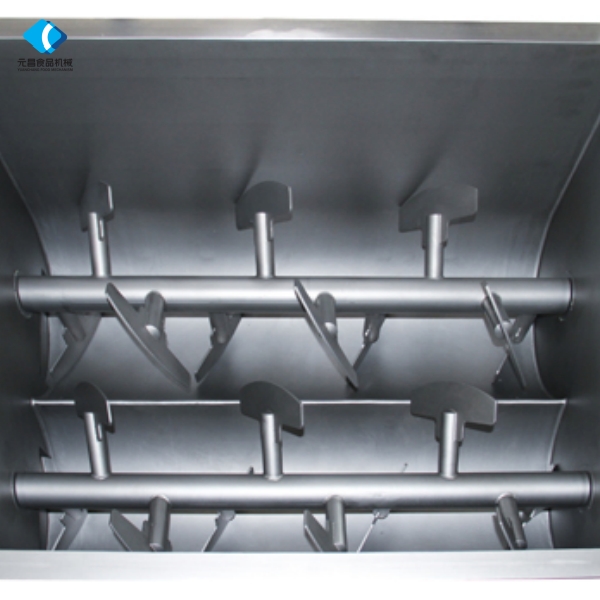
Figure 3: Close-up of a customized control panel for a meat vacuum mixer.
Application Case Studies: Proving the Value of Vacuum Mixing Technology
Real-world application demonstrates the transformative impact of advanced vacuum mixing equipment on various food processing operations. These case studies highlight how our clients have leveraged our cutting-edge technology to achieve significant, measurable improvements in product quality, operational efficiency, and profitability, underscoring the tangible benefits of investing in a high-quality meat vacuum mixer.
Case Study 1: Large-Scale Poultry Processor – Enhanced Marination and Yield
A leading poultry processing client, facing challenges with inconsistent marinade absorption and relatively long tumbling times for their chicken breast fillets, integrated our 800-liter meat vacuum mixer into their production line. Previously, they experienced up to 15% variability in marinade uptake across batches and required 90 minutes of atmospheric tumbling.
- Challenge: Inconsistent marinade penetration, extended processing times, lower than desired product yield (average 10% gain).
- Solution: Implementation of a high-capacity vacuum meat mixer with programmable vacuum cycles and optimized paddle design.
- Results: The client achieved a remarkable 8% increase in final product yield due to enhanced moisture retention and marinade absorption. Processing time for marination was reduced by 40% (from 90 to 54 minutes), significantly increasing throughput. Batch consistency improved dramatically, with less than 3% variation in marinade uptake, leading to a more uniform and premium product. Customer feedback consistently noted improved tenderness and juiciness, directly impacting market perception and sales.
Case Study 2: Premium Deli Meat Producer – Superior Texture and Color Stability
A producer of high-end sliced deli meats was struggling with air pockets in their meat emulsions, which led to an uneven texture, visible voids, and accelerated discoloration upon slicing. These issues compromised the aesthetic appeal and shelf life of their premium products, resulting in customer complaints and product returns.
- Challenge: Air inclusions leading to inconsistent texture, poor slicing quality, and rapid color degradation in sliced deli meats.
- Solution: Adoption of a 400-liter meat vacuum mixer optimized for emulsified products, featuring precise vacuum control and gentle mixing action.
- Results: The vacuum mixing process effectively removed air, resulting in a denser, smoother emulsion. Post-processing, the deli meats exhibited a perfectly uniform texture and significantly improved sliceability with virtually no air pockets. Color stability was extended by an average of 3 days under typical retail conditions, reducing waste by 12% and enhancing product presentation. This directly contributed to a 10% increase in repeat customer purchases for the premium line and solidified brand loyalty.
These examples underscore the tangible benefits and return on investment that businesses can achieve by integrating advanced meat vacuum mixer technology into their operations, affirming its role as a critical enabler of high-quality, efficient, and profitable food production in a competitive global market.
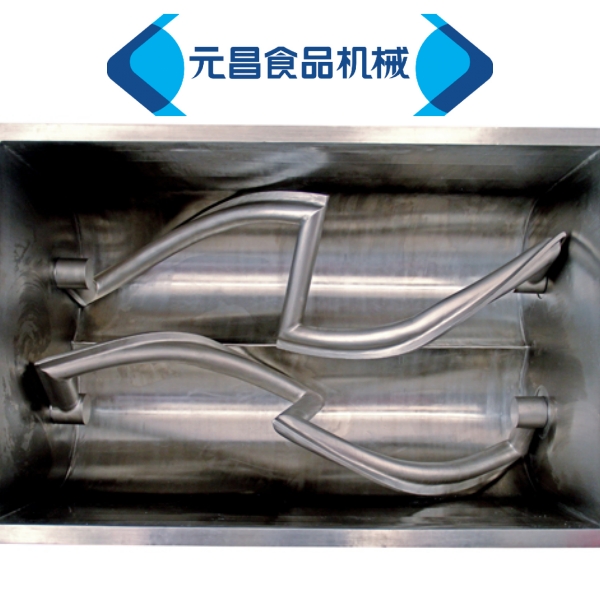
Figure 4: The robust exterior design of a heavy-duty meat vacuum mixer.
Certifications, Authoritativeness, and Global Trust
Our commitment to excellence in the manufacturing of our vacuum mixing solutions is validated by adherence to a comprehensive suite of international certifications and decades of industry experience. These credentials provide our clients with the unwavering assurance of product quality, safety, and operational reliability, establishing our position as an authoritative and trustworthy partner in the global food processing sector, specifically for equipment like the meat vacuum mixer.
- ISO 9001:2015 Certification: Our manufacturing processes are certified under ISO 9001:2015, ensuring a robust quality management system across design, production, installation, and service. This global standard signifies consistent quality and continuous improvement in all our operations.
- ISO 22000 Food Safety Management: We design and build our vacuum meat mixer equipment in accordance with ISO 22000 principles, focusing on critical control points and hygienic design to prevent contamination and ensure food safety throughout the processing chain, meeting stringent international requirements.
- CE Marking: All our equipment bears the CE mark, signifying compliance with European Union directives regarding health, safety, and environmental protection. This is crucial for clients operating within or exporting to the European Economic Area, guaranteeing market access.
- USDA-Accepted Design Principles: While not a direct certification for foreign manufacturers, our equipment incorporates design principles recognized by the USDA for sanitary construction, particularly for meat and poultry processing equipment. This includes features like seamless welds, polished surfaces, and accessibility for cleaning, facilitating easier approval in North American markets.
- Industry Leadership & Experience: With over 20 years of dedicated service to the food processing industry, we have cultivated extensive expertise in vacuum mixing technology. Our client portfolio includes leading national and international food brands, who rely on our proven solutions for their most demanding applications, consistently reporting high satisfaction.
- Rigorous Testing Protocols: Every piece of equipment, including our meat vacuum mixer units, undergoes comprehensive Factory Acceptance Testing (FAT) to validate performance against specified parameters and client requirements, providing verifiable test data and confidence in its operational capabilities before shipment.
Our long-standing partnerships and numerous successful installations globally stand as a testament to the authoritativeness and trustworthiness embedded in every piece of equipment we produce, ensuring that our clients receive not just a machine, but a reliable, high-performance solution backed by verifiable credentials and a reputation for excellence.
Frequently Asked Questions (FAQ) about Our Vacuum Mixers
Q: What is the primary advantage of a meat vacuum mixer over a standard atmospheric mixer?
A: The primary advantage is the processing environment under vacuum. This eliminates oxygen, preventing oxidation of fats and color pigments, enhancing protein extraction, and accelerating marinade penetration. This results in superior product color, extended shelf life, improved texture, and higher yields compared to standard mixers.
Q: How do I determine the correct capacity of a meat vacuum mixer for my operation?
A: Capacity selection depends on your daily production volume, average batch size requirements, and available floor space. Our experts can assist in performing a detailed analysis of your operational throughput, specific product types, and desired processing times to recommend the most efficient and appropriately sized unit for your needs.
Q: What kind of maintenance does a vacuum meat mixer require?
A: Regular cleaning and sanitation are crucial after each production cycle. Beyond that, routine preventative maintenance typically involves checking and replacing vacuum pump oil, inspecting seals and gaskets for wear, lubricating bearings, and verifying electrical connections. We provide comprehensive maintenance manuals and offer preventative maintenance service plans to ensure optimal performance.
Q: Can a meat vacuum mixer process different types of food products, including plant-based?
A: Yes, our mixers are highly versatile. While optimized for meat, poultry, and seafood, they are equally effective in mixing and marinating a wide range of plant-based proteins, vegetables, and other food components. The programmable controls allow for precise adjustment of mixing parameters (speed, vacuum level, time) to suit various product characteristics and textures.
Lead Time, Warranty, and Comprehensive After-Sales Support
Our commitment to our clients extends far beyond the initial sale of an advanced mixing solution. We understand that timely delivery, reliable warranty coverage, and robust after-sales support are paramount for uninterrupted operations and long-term satisfaction. We strive for transparency and efficiency in all aspects of our service, from order to operational lifetime for your meat vacuum mixer.
- Lead Time and Fulfillment: Standard models typically have a lead time of 8-12 weeks from order confirmation to ex-works readiness, subject to specific configurations and current production schedules. Customized solutions may require slightly longer (12-16 weeks). We manage logistics diligently to ensure efficient and safe delivery to your facility, coordinating with trusted global freight partners.
- Warranty Commitments: All our meat vacuum mixer units come with a comprehensive 12-month warranty covering manufacturing defects and component failures under normal operating conditions. This warranty period can be extended to 24 months with a service agreement. Extended warranty options are available for clients seeking additional peace of mind and long-term protection for their investment.
- Customer Support & Training: Our dedicated technical support team is available to assist with installation guidance, operational training, and troubleshooting. We offer on-site commissioning and training services to ensure your operators are proficient with the equipment. For ongoing support, we provide responsive online/phone assistance and expedited spare parts delivery from our global network to minimize any potential downtime and ensure continuous operation of your vacuum meat mixer.
- Preventative Maintenance Programs: We also offer tailored preventative maintenance contracts designed to optimize the performance and extend the lifespan of your machine, ensuring it operates at peak efficiency year after year and safeguarding your productivity.
Our comprehensive approach to lead time, warranty, and customer support is designed to build lasting relationships based on trust and mutual success, ensuring your meat vacuum mixer remains a valuable and productive asset for your business for years to come.
Conclusion
The modern meat vacuum mixer represents a cornerstone technology in advanced food processing, offering a multifaceted solution to the evolving demands of the industry. From significantly enhancing product quality, extending shelf life, and improving yields through vacuum technology, to ensuring superior hygiene and operational efficiency through precision engineering and intelligent controls, its benefits are profound and quantifiable. As food processors increasingly seek innovative ways to meet consumer expectations for premium, safe, and diverse products, the investment in a high-quality vacuum meat mixer becomes not just an operational upgrade, but a strategic imperative for long-term growth and market leadership. Our unwavering commitment to expertise, robust manufacturing, customization, and comprehensive after-sales support ensures that our clients are equipped with solutions that drive long-term success and maintain a competitive edge in the global market.
References
- Food and Agriculture Organization of the United Nations (FAO). "Meat Processing Technology and Techniques." FAO Corporate Document Repository.
- International Organization for Standardization (ISO). "ISO 22000 Food safety management systems - Requirements for any organization in the food chain."
- United States Department of Agriculture (USDA) Food Safety and Inspection Service. "Guidance for Controlling Listeria Monocytogenes in Post-Lethality Exposed Ready-to-Eat Meat and Poultry Products."
- Kerry, J., & Ledward, D. (Eds.). (2009). "The Meat Processing Industry: Opportunities for Innovation." Woodhead Publishing.
- Vaclavik, V. A., & Christian, E. W. (2014). "Essentials of Food Science" (4th ed.). Springer.
-
Efficient Meat Cubing Machine for Industrial Meat ProcessingNewsDec.09,2025
-
Meat Cube Cutter Machine – Efficient and Precise Meat Processing EquipmentNewsDec.09,2025
-
Machine Used To Cut Meat | High Performance Meat Cutting Machines for IndustryNewsDec.09,2025
-
Machine That Cuts Meat – Efficient, Durable Meat Processing Solutions for B2BNewsDec.09,2025
-
Machine Meat Cutter: Global Importance, Benefits & Future Trends ExplainedNewsDec.08,2025
-
Durable Machine Cut Meat Slicer for Industrial Efficiency | YC Meat MechNewsDec.08,2025