


Beef Grinding Machine: Durable, Efficient & Safe Meat Processing Solutions
Understanding the Beef Grinding Machine: A Global Necessity
It might sound mundane, but the humble beef grinding machine plays a surprisingly crucial role in the meat processing industry worldwide. From small butcher shops in rural communities to massive meatpacking plants serving metropolitan hubs, these machines turn whole cuts of beef into ground meat, a staple in countless dishes. Beyond convenience, understanding beef grinding machines means appreciating how food safety, efficiency, and economics intertwine on a global scale.
Why should anyone care? Well, the global meat market is projected to surpass $1.5 trillion by 2026, with ground beef being one of the most consumed forms.1 Machines that improve yield, reduce contamination risks, and offer consistent results are indispensable. Plus, in humanitarian contexts—think food aid in crisis zones—the reliability of these machines can mean fresh, nutritious meals served quickly to thousands. So, yes, it matters far beyond the factory floor.
Mini takeaway: Beef grinding machines are foundational for the global meat industry, balancing efficiency, safety, and scale from local to international levels.
Global Impact: Why Beef Grinding Machines Matter Now
The global appetite for beef is rising, especially in middle-income countries transitioning to more protein-rich diets. According to the Food and Agriculture Organization (FAO), average per capita meat consumption climbed steadily over the past decade.2 But producing ground beef safely and cost-effectively faces challenges including product contamination, inconsistent texture, and labor-intensive processes.
That's where beef grinding machines step in. With automation improving steadily, modern machines help prevent bacterial contamination by reducing manual handling—a major concern cited by ISO food safety standards (ISO 22000).3
Moreover, these machines solve scaling problems. Small businesses, large industrial processors, and even disaster relief agencies need customizable solutions to handle diverse volumes of meat, maintain hygiene protocols, and deliver consistent quality. The demand is global but the needs vary.
What Exactly Is a Beef Grinding Machine?
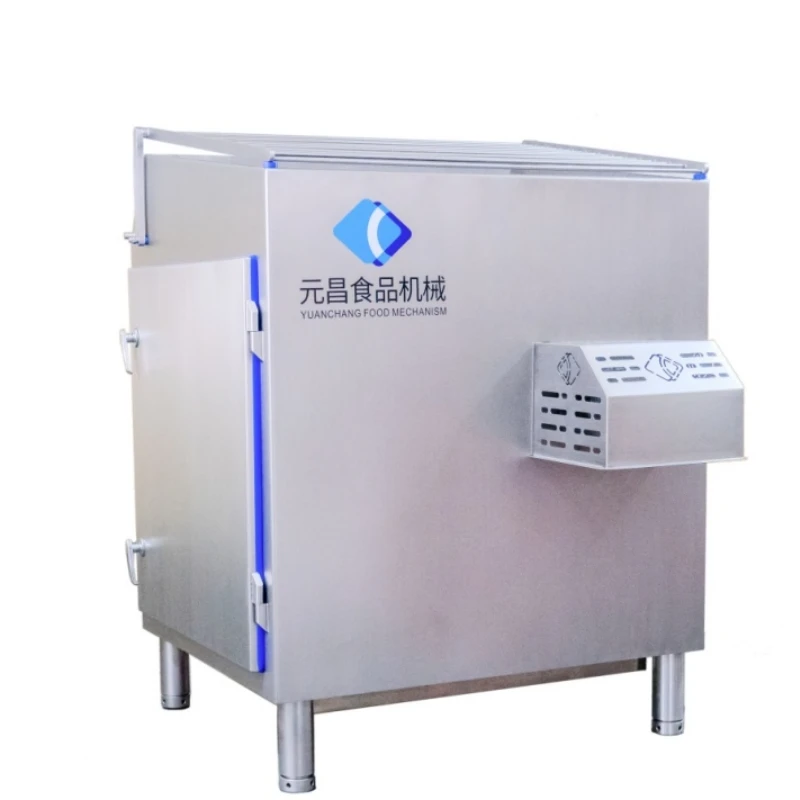
At its core, a beef grinding machine is a mechanical device designed to shred beef into small, uniform pieces. It typically consists of a feeding mechanism, blades or grinding plates, and a motor or engine to power the process. Think of it like a fancy meat mincer that can safely grind large amounts faster and with superior hygiene than manual methods.
In modern industrial settings, these machines are often stainless steel to prevent corrosion and facilitate cleaning. For disaster relief or remote operations, portable models powered by electric or even manual cranks can be indispensable.
Why does it matter beyond food production? Reliable protein processing is crucial for global food security. And in humanitarian contexts—say, feeding displaced populations—beef grinding machines help turn raw beef into a versatile, easily distributed food source.
Key Factors Behind Choosing the Right Beef Grinding Machine
Durability and Material Quality
When meat processing is daily business, machine durability isn’t just a luxury—it's an imperative. Stainless steel parts resist rust, maintain hygiene, and last years. Many engineers I’ve spoken with swear by modular designs that allow easy replacement of worn parts without dismantling entire machines.
Capacity and Scalability
From 50 kg/hour for small shops up to 1,000+ kg/hour in industrial plants, beef grinding machines come in various sizes. Scalability often means balancing upfront cost with operational needs. Oddly enough, some medium-sized machines offer flexibility by adjusting feed rates or swapping plates to change grind texture.
Sanitation and Food Safety Features
Proper cleaning accessibility is critical. Machines designed with rounded edges, removable plates, and sealed motors reduce contamination risks. In many countries, meat processing plants operate under strict HACCP guidelines, making food-safe designs a must.
Energy Efficiency
Power consumption adds up, especially for large-scale operations. Machines optimized for electric efficiency—even those compatible with green energy sources—can reduce operational costs noticeably over time.
User-Friendliness and Maintenance
Training workers in complex machinery can be a hurdle. The ideal beef grinding machine offers intuitive controls, easy assembly/disassembly, and minimal maintenance demands. Some even boast smart diagnostics to anticipate issues.
Cost Considerations
Purchase price is just one factor. Maintenance, replacement parts, and downtime add up. Investing in reliable equipment often pays off by avoiding losses from product spoilage or recalls.
Mini takeaway: Choosing the right beef grinding machine depends on durability, capacity, sanitation, energy use, and total cost of ownership, tailored to your specific needs.
How Beef Grinding Machines Are Used Around the World
The uses are widespread and diverse.
- Commercial Meat Packers: Large operations in North America and Europe employ high-capacity machines with integrated packaging lines.
- Small and Medium Butcheries: These rely on medium-scale machines for daily fresh ground beef production.
- Humanitarian & Relief Organizations: In refugee camps or disaster zones in Africa or Southeast Asia, portable beef grinding machines enable quick meal preparation, helping nutritional delivery where infrastructure is limited.
- Hospitality and Food Service: Some restaurants invest in small grinders for farm-to-table freshness.
For instance, in New Zealand’s beef exports hubs, factories emphasize machines with rapid cleaning cycles to match strict export standards. Meanwhile, NGOs like the Red Cross have distributed hand-cranked grinders for remote emergency kitchens.
Advantages and Long-Term Value of Beef Grinding Machines
Apart from obvious productivity gains, beef grinding machines offer:
- Consistent Quality: Uniform grind sizes improve taste and cooking properties.
- Food Safety: Reduced human contact means fewer bacterial risks.
- Less Waste: High-efficiency machines optimize meat yield, cutting down waste.
- Social Impact: In crisis zones, access to safe meat processing supports dignity and nutrition.
Emotionally, this technology feels like a bridge—a small but vital part connecting rural farmers to urban consumers, or NGOs to vulnerable populations. It builds trust in the food system, which is something we often overlook until things go wrong.
Beef Grinding Machine Specifications Comparison
| Model | Capacity (kg/hr) | Material | Power (kW) | Portability | Cleaning Ease |
|---|---|---|---|---|---|
| YCMeatMech Pro 500 | 500 | Stainless Steel | 3.5 | No | High (removable parts) |
| YCMeatMech Lite 100 | 100 | Aluminum/Stainless | 1.2 | Yes | Medium (tool-assisted) |
| YCMeatMech Portable | 50 | Plastic/Stainless | Manual | Yes (lightweight) | High (easy to disassemble) |
Comparing Top Beef Grinding Machine Vendors
| Vendor | Price Range | After-Sales Support | Customization | Global Reach |
|---|---|---|---|---|
| YCMeatMech | $$$ | Excellent (24/7 hotline) | Extensive | Worldwide |
| GlobalGrind Co. | $$ | Good (business hrs) | Limited | Mostly Americas, Europe |
| EcoMeat Machines | $$$ | Moderate | High (eco designs) | Europe, Asia |
Emerging Trends in Beef Grinding Machines
Technology continues to shake up the old ways. Smart sensors now monitor blade wear in real-time, alerting operators before breakage, reducing downtime. Some machines integrate IoT connectivity, feeding performance data to centralized dashboards for better production planning—almost like the industrial Internet of Things creeping into meat processing.
Green energy matters too. Solar-powered grinders and energy-efficient motors reduce environmental footprints, a growing concern as meat industries face scrutiny. Materials also evolve, with antimicrobial surfaces cutting bacterial survival on machine parts.
The future? Likely more automation, customization, and sustainability rolled into one. And, oddly enough, affordability may improve as technology scales.
Common Challenges and How They're Solved
Despite progress, some issues persist:
- Cleaning Complexity: Intricate parts mean deep cleaning can be time-consuming. Advances in modular design and smooth surfaces alleviate this.
- Initial Investment: High upfront costs deter smaller businesses. Leasing/rental options or government subsidies sometimes help bridge the gap.
- Operator Training: Complex machines require skilled workers. Simplified controls and digital manuals improve onboarding.
Many companies combine expert service contracts with user-friendly designs to ensure machines run smoothly for decades.
Frequently Asked Questions About Beef Grinding Machines
- What capacity beef grinding machine do I need for a small butcher?
- For a small butcher shop, a machine with a capacity around 100–200 kg/hour is usually sufficient. It balances efficiency with manageable size and cost, perfect for daily fresh ground beef needs.
- How often should I clean the grinding machine?
- Cleaning should occur after every use to prevent bacterial buildup. Many modern machines feature easily removable parts to simplify this. Following HACCP guidelines ensures food safety and machine longevity.
- Can I use a beef grinding machine for other meats?
- Yes, most beef grinding machines handle other meats like pork, lamb, and poultry. Adjusting plates and blade settings can accommodate different textures and fat contents.
- Are portable beef grinding machines effective in remote areas?
- Absolutely. Portable or manual-crank models provide essential meat processing where electricity is scarce, such as relief camps or rural farms. They're not as fast as industrial units but invaluable for flexibility.
- How do I maintain blade sharpness?
- Routine sharpening using proper tools is key. Some vendors offer blade replacement or sharpening services as part of maintenance contracts, which can improve grind quality significantly.
Wrapping It Up: Why Investing in a Beef Grinding Machine Makes Sense
Out of all the equipment cluttering a processing plant or butchery, a beef grinding machine quietly earns its keep every day. They improve food safety, boost productivity, reduce waste, and enable fair pricing. From a humanitarian perspective, providing nutritious food efficiently with minimal risk has profound social benefits. This blend of technical prowess and social responsibility makes investing in quality beef grinding equipment a smart move for any modern operation.
Curious to explore the latest models or customize a solution for your business? Visit beef grinding machine to discover a range that fits your needs.
References:
1. Statista Global Meat Market Size
2. FAO Meat Consumption Data
3. ISO 22000 Food Safety Standards
-
Efficient Meat Cubing Machine for Industrial Meat ProcessingNewsDec.09,2025
-
Meat Cube Cutter Machine – Efficient and Precise Meat Processing EquipmentNewsDec.09,2025
-
Machine Used To Cut Meat | High Performance Meat Cutting Machines for IndustryNewsDec.09,2025
-
Machine That Cuts Meat – Efficient, Durable Meat Processing Solutions for B2BNewsDec.09,2025
-
Machine Meat Cutter: Global Importance, Benefits & Future Trends ExplainedNewsDec.08,2025
-
Durable Machine Cut Meat Slicer for Industrial Efficiency | YC Meat MechNewsDec.08,2025