

- Afrikaans
- Albanian
- Amharic
- Arabic
- Armenian
- Azerbaijani
- Basque
- Belarusian
- Bengali
- Bosnian
- Bulgarian
- Catalan
- Cebuano
- chinese_simplified
- chinese_traditional
- Corsican
- Croatian
- Czech
- Danish
- Dutch
- English
- Esperanto
- Estonian
- Finnish
- French
- Frisian
- Galician
- Georgian
- German
- Greek
- Gujarati
- haitian_creole
- hausa
- hawaiian
- Hebrew
- Hindi
- Miao
- Hungarian
- Icelandic
- igbo
- Indonesian
- irish
- Italian
- Japanese
- Javanese
- Kannada
- kazakh
- Khmer
- Rwandese
- Korean
- Kurdish
- Kyrgyz
- Lao
- Latin
- Latvian
- Lithuanian
- Luxembourgish
- Macedonian
- Malgashi
- Malay
- Malayalam
- Maltese
- Maori
- Marathi
- Mongolian
- Myanmar
- Nepali
- Norwegian
- Norwegian
- Occitan
- Pashto
- Persian
- Polish
- Portuguese
- Punjabi
- Romanian
- Russian
- Samoan
- scottish-gaelic
- Serbian
- Sesotho
- Shona
- Sindhi
- Sinhala
- Slovak
- Slovenian
- Somali
- Spanish
- Sundanese
- Swahili
- Swedish
- Tagalog
- Tajik
- Tamil
- Tatar
- Telugu
- Thai
- Turkish
- Turkmen
- Ukrainian
- Urdu
- Uighur
- Uzbek
- Vietnamese
- Welsh
- Bantu
- Yiddish
- Yoruba
- Zulu

Te Whakapumau i te Haumaru Kai Ina Whakamahia i nga Haahi Hotiti Korehau
A kai hotiti he taputapu nui mo te tukatuka mīti, hei awhina i nga kai tunu kai me nga tohunga ki te hanga hotiti hou, reka. Heoi, ko te pupuri i te haumaru kai he mea nui hei whakarite i te akuaku me te aukati i te poke. Ahakoa te whakamahi a pukapuka tunu kai he aunoa ranei mīhini whakakī hōtiti, ma te whai i nga aratohu haumaru kai ka whakamanahia nga hua haumaru me te reka. Kei roto i tenei tuhinga nga tikanga pai ki te pupuri i te akuaku i a koe e whakamahi ana whakakī hōtiti me pehea te pupuri i o taputapu ki te tino pai.
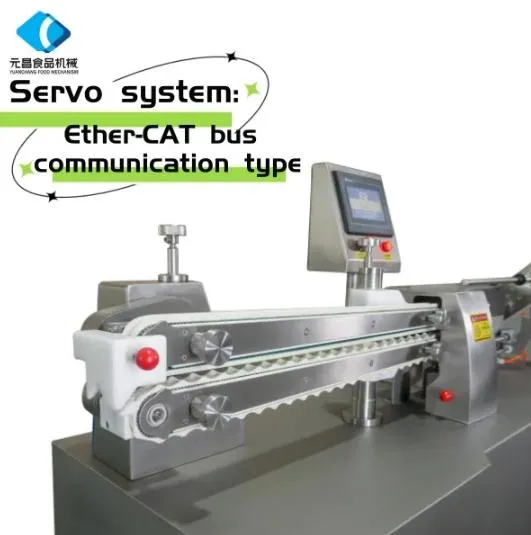
Te Kowhiringa i te Tukatuka Hotiti Tika mo te Tukatuka Maaku
Te kowhiri i te kounga teitei kai hotiti Ko te mahi tuatahi ki te pupuri i te haumaru kai. I te wa e hoko ana a mīhini whakakī hōtiti, whakaarohia nga mea e whai ake nei:
Material Quality – Choose food-grade stainless steel models, as they are non-porous and resistant to bacteria buildup.
Sealed Components – Ensure that parts like the piston and cylinders are tightly sealed to prevent meat residue from getting trapped.
Ease of Cleaning – A good pukapuka tunu kai Ko te tauira aunoa ranei me whai waahanga tango mo te horoi me te horoi.
Vacuum Function – Vacuum-operated models remove air bubbles, ensuring a smoother texture and reducing the risk of bacterial growth.
Te haumi i roto i te hoahoa pai whakakī hōtiti ehara i te mea ka whakanui ake i te haumaru kai engari ka pai ake hoki te pai o te mahi hotiti.
Te horoi tika me te tiaki i nga whakakī hōtiti
He mea nui te horoi me te tiaki i nga wa katoa kia kore ai e poke te kai. A pee i enei taahiraa ki te pupuri i to mīhini whakakī hōtiti pokekore:
Disassemble After Each Use – Take apart all removable parts, including the stuffing tube, cylinder, and piston.
Wash with Hot, Soapy Water – Scrub each part thoroughly to remove meat residues and grease.
Sanitize All Surfaces – Use food-safe disinfectants or a vinegar-water solution to eliminate bacteria.
Dry Completely – Moisture can lead to mold growth; ensure all components are completely dry before reassembling.
Lubricate Moving Parts – Apply food-grade lubricant to the piston and seals to keep the pukapuka tunu kai he tauira aunoa ranei e rere pai ana.
He ma mīhini whakakī hōtiti ka aukati i te poke whakawhiti me te whakarite kia noho haumaru o hotiti ki te kai.
Nga Tikanga Whakahaere Miti Haumaru Ina Whakamahi i te Whakakī Hotiti
Ahakoa me te kounga teitei whakakī hōtiti, improper meat handling can lead to foodborne illnesses. Here’s how to safely prepare and process meat:
Use Fresh Ingredients – Always source high-quality meat and store it at the correct temperature before processing.
Keep Workspaces Clean – Sanitize countertops, cutting boards, and utensils before handling meat.
Wear Gloves – Minimize direct contact with raw meat to prevent bacterial transfer.
Keep Meat Cold – Work with chilled meat to slow bacterial growth and improve sausage texture.
Stuff and Store Quickly – Once sausages are stuffed using the pukapuka tunu kai he whakakī aunoa ranei, whakamatao, whakatio tonu ranei.
Ma te whakamahi haumaru i te whakahaere mīti, ka noho hou o hōtiti me te kore huakita kino.
He mea nui te rokiroki tika mo te pupuri i te kounga me te haumaru o nga hotiti i mahia ki te a kai hotiti. A pee i enei aratohu rokiroki:
Refrigeration – Fresh sausages should be stored at or below 4°C (40°F) and consumed within 2-3 days.
Freezing – For longer storage, vacuum-seal sausages and freeze them at -18°C (0°F) for up to 6 months.
Labeling – Always date and label stored sausages to track freshness.
Avoid Cross-Contamination – Keep raw and cooked sausages separate in storage to prevent bacterial transfer.
Ma te whai i enei tohutohu rokiroki, ka taea e koe te pupuri i te kounga o nga hotiti i mahia ki a koe mīhini whakakī hōtiti me te whakarite i te haumaru kai.
Te Whakapumau i te Haumaru Kai Ina Whakamahia i nga Raihi Hotiti Korehau: FAQs
Kia pehea te maha o taku horoi i taku kai hotiti?
Me horoi e koe to whakakī hōtiti i muri i nga whakamahinga katoa hei aukati i te hanga huakita me te whakarite i te akuaku.
Ka taea e au te whakamahi hopi rīhi hei horoi i taku miihini whakakī hōtiti?
Ae, he pai te wai wera me te hopi riu ngawari mo te horoi, engari me tino horoi kia tangohia nga toenga.
He aha te huarahi pai hei aukati i nga mirumiru hau i roto i nga hotiti?
Te whakamahi i te korehau kai hotiti he awhina ki te tango i nga mirumiru hau, ka taea ranei e koe te wero a ringa i nga hotiti ki te ngira i mua i te tunu kai.
Kia pehea te roa e taea ai te penapena pai i nga hotiti hanga whare?
Me pau nga hotiti hou i roto i nga ra 2-3 mena ka whakamataohia, ka taea ranei te whakatoo mo te ono marama.
Kei hea e taea ai e au te hoko miihini whakakī hōtiti kounga teitei?
Tirohia to maatau paetukutuku mo te kounga teitei kai hotiti, tae atu ki pukapuka tunu kai me nga tauira aunoa, i hangaia mo te hanga hotiti maaku me te pai!
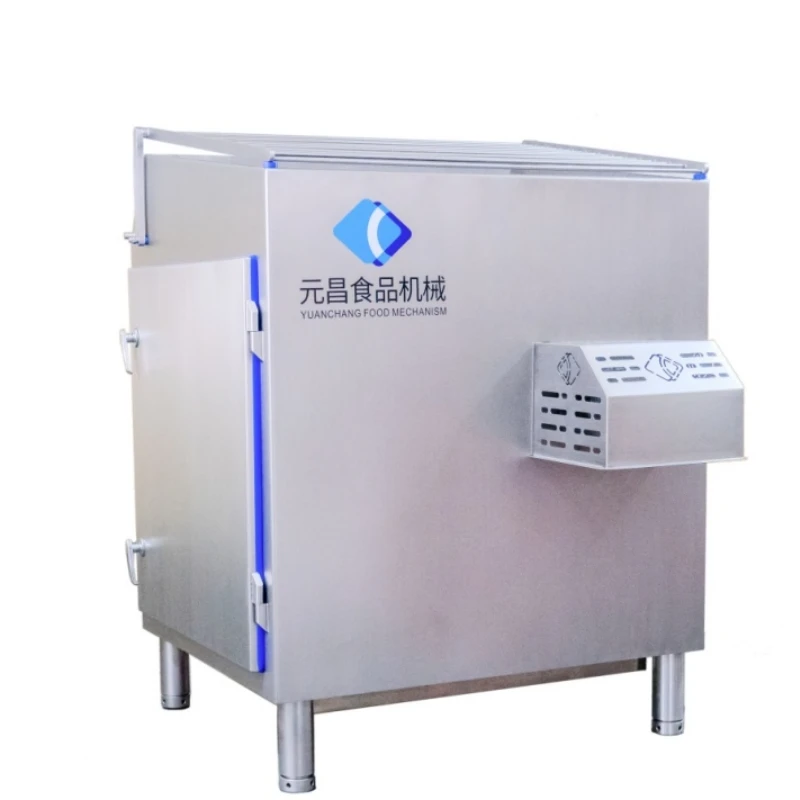
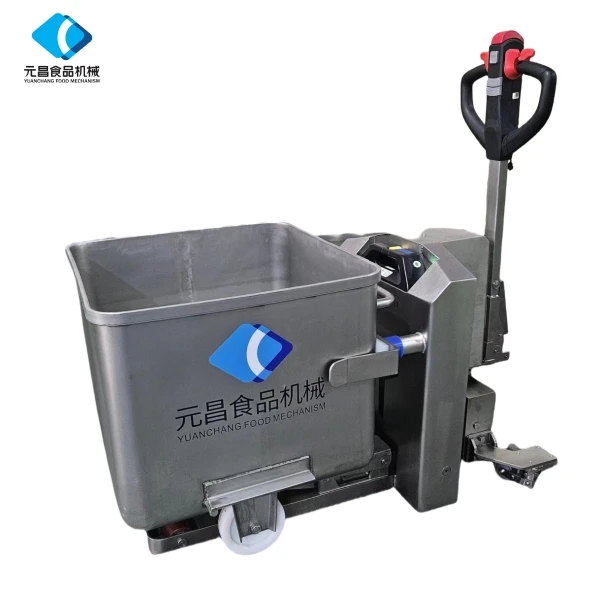
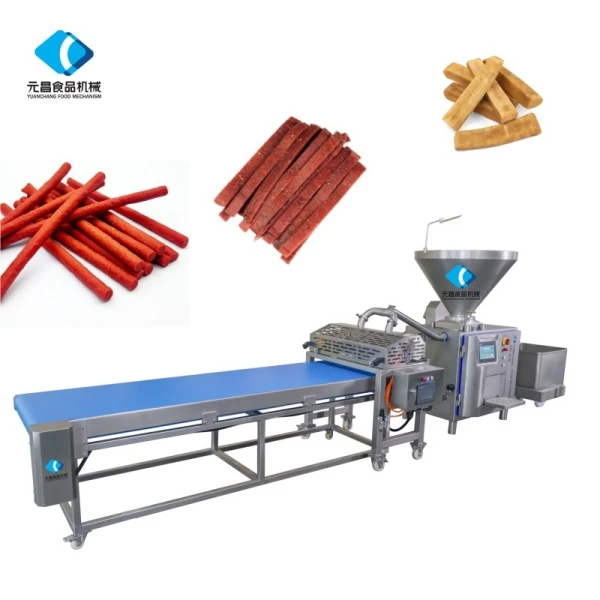
-
The Role of Smoke House Technology in Modern Meat Processing IndustryRongorongoApr.08,2026
-
The Role of Frozen Meat Slicing Machines in Modern Meat Processing IndustryRongorongoApr.08,2026
-
The Importance of Meat Dicing and Cutting Machines in Modern Meat ProcessingRongorongoApr.08,2026
-
The Essential Role of Meat Grinding Technology in Modern Meat Processing IndustryRongorongoApr.08,2026
-
Advancements in Meat Processing Equipment: The Role of Vacuum Stuffers and Filling MachinesRongorongoApr.08,2026
-
Vacuum Bowl Cutter ZKZB-125-Hebei Yuanchang|Vacuum Processing&Stainless Steel ConstructionRongorongoMar.16,2026