

- Afrikaans
- Albanian
- Amharic
- Arabic
- Armenian
- Azerbaijani
- Basque
- Belarusian
- Bengali
- Bosnian
- Bulgarian
- Catalan
- Cebuano
- chinese_simplified
- chinese_traditional
- Corsican
- Croatian
- Czech
- Danish
- Dutch
- English
- Esperanto
- Estonian
- Finnish
- French
- Frisian
- Galician
- Georgian
- German
- Greek
- Gujarati
- haitian_creole
- hausa
- hawaiian
- Hebrew
- Hindi
- Miao
- Hungarian
- Icelandic
- igbo
- Indonesian
- irish
- Italian
- Japanese
- Javanese
- Kannada
- kazakh
- Khmer
- Rwandese
- Korean
- Kurdish
- Kyrgyz
- Lao
- Latin
- Latvian
- Lithuanian
- Luxembourgish
- Macedonian
- Malgashi
- Malay
- Malayalam
- Maltese
- Maori
- Marathi
- Mongolian
- Myanmar
- Nepali
- Norwegian
- Norwegian
- Occitan
- Pashto
- Persian
- Polish
- Portuguese
- Punjabi
- Romanian
- Russian
- Samoan
- scottish-gaelic
- Serbian
- Sesotho
- Shona
- Sindhi
- Sinhala
- Slovak
- Slovenian
- Somali
- Spanish
- Sundanese
- Swahili
- Swedish
- Tagalog
- Tajik
- Tamil
- Tatar
- Telugu
- Thai
- Turkish
- Turkmen
- Ukrainian
- Urdu
- Uighur
- Uzbek
- Vietnamese
- Welsh
- Bantu
- Yiddish
- Yoruba
- Zulu

Automatic Filling Machines in the Modern Meat Processing Industry
In today’s large-scale food manufacturing environment, efficiency, hygiene, and consistency are critical for success. The meat processing industry in particular requires advanced equipment that can handle high production volumes while maintaining strict food safety standards. One of the most essential pieces of equipment used in modern processing plants is the inneal lìonaidh, which plays a key role in transferring meat mixtures into casings, containers, or packaging systems.
As technology has evolved, traditional manual equipment has gradually been replaced by automated systems. The development of the inneal lìonadh fèin-ghluasadach and other advanced solutions has significantly improved productivity in meat processing facilities. These machines allow manufacturers to maintain precise portion control, reduce labor requirements, and ensure consistent product quality.
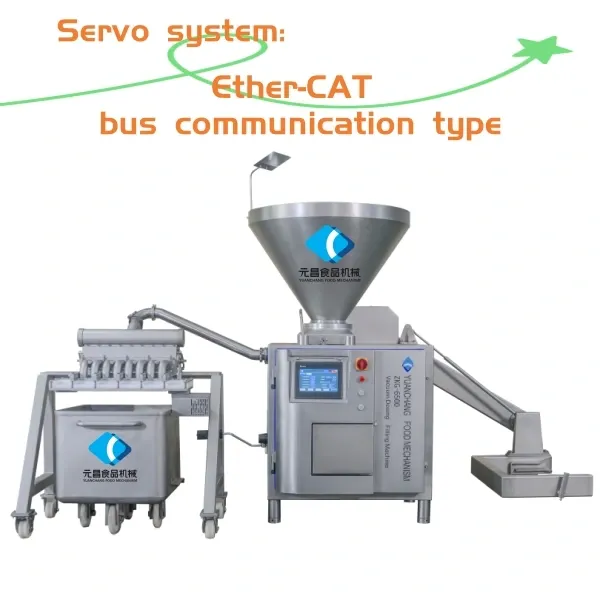
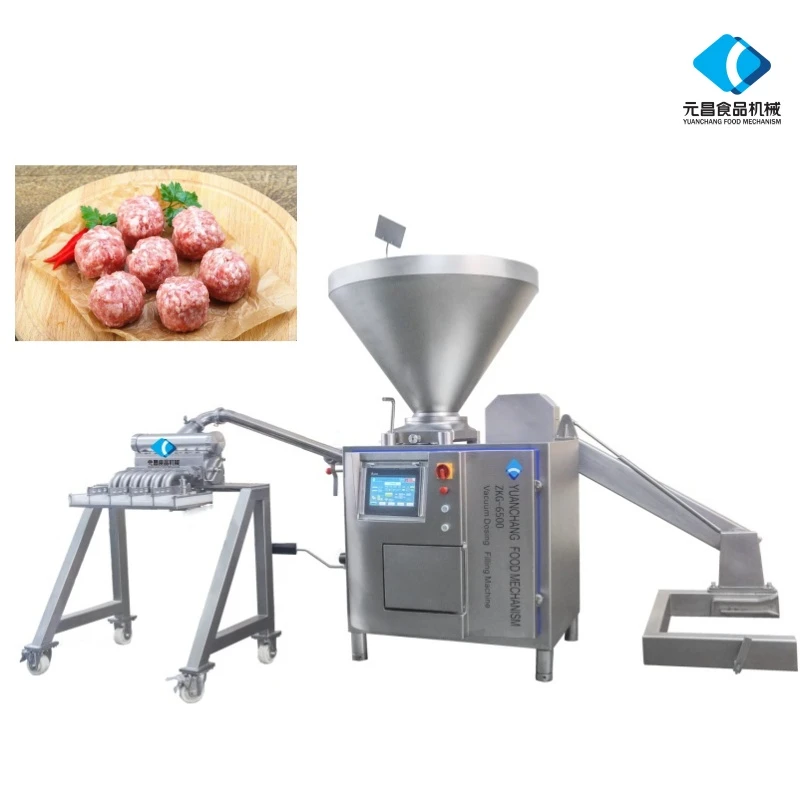
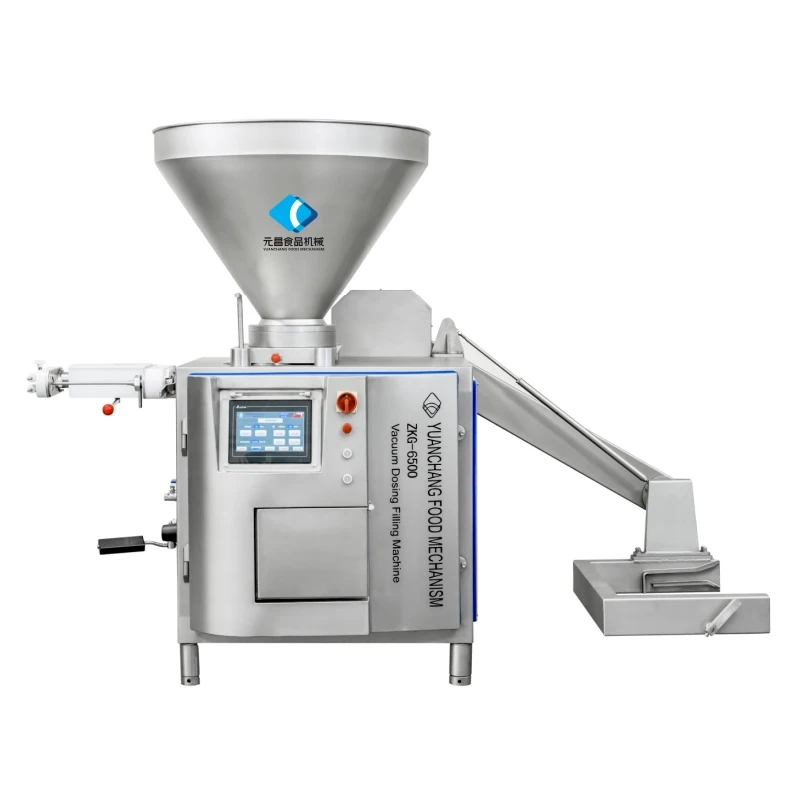
Today, many factories rely on auto filling machine systems, vacuum filling machines, and automated filling machines to streamline their production lines. These machines are capable of handling a wide range of products, including sausages, ground meat mixtures, meat pastes, emulsified meat products, and other processed meat fillings.
The adoption of automation in filling technology has become an important step for companies aiming to increase efficiency while maintaining high food safety standards.
The Role of Filling Machines in Meat Processing Operations
An inneal lìonaidh is a central component of many food production lines, particularly in the meat processing sector. Its main function is to accurately dispense prepared mixtures into containers, casings, or packaging materials. In sausage manufacturing, for example, filling machines are used to transfer seasoned meat mixtures into natural or artificial casings.
In traditional operations, filling was often done manually or with basic mechanical equipment. While these methods worked for small-scale production, they were not suitable for modern industrial facilities that require high-speed output and consistent product quality.
Modern inneal lìonadh fèin-ghluasadach systems are designed to solve these challenges by offering precise control over filling speed, volume, and pressure. This ensures that each portion meets the same quality and weight standards.
Some important advantages of using advanced filling equipment include:
Consistent portion sizes for uniform products
Reduced material waste during the filling process
Faster production speeds for large-scale manufacturing
Improved hygiene and food safety standards
Lower labor requirements
The introduction of inneal lìonadh fèin-ghluasadach technology has made it possible for processing plants to maintain continuous production with minimal interruptions. Operators can adjust machine settings to accommodate different products, packaging formats, or casing types.
Because of these benefits, filling machines have become a standard component of modern meat processing plants.
Automation and Efficiency with Automated Filling Machines
As demand for processed meat products continues to grow worldwide, manufacturers must adopt technologies that increase production efficiency without compromising quality. This is where innealan lìonadh fèin-ghluasadach play a crucial role.
Unlike traditional systems that require significant manual control, automated machines operate using advanced control systems and sensors. These technologies allow the equipment to regulate filling pressure, speed, and volume automatically.
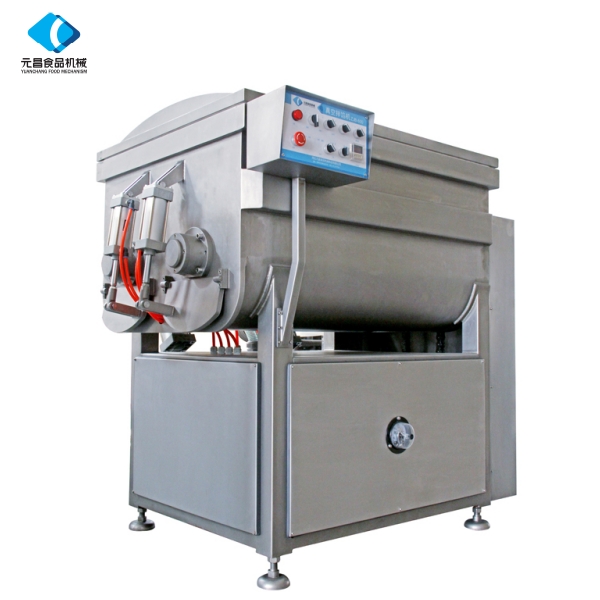
In large meat processing facilities, innealan lìonadh fèin-ghluasadach are often integrated into complete production lines. These lines may include grinding equipment, mixing machines, stuffing systems, linking machines, and packaging units. The integration of these systems allows manufacturers to streamline operations and reduce production time.
Automation provides several key advantages for meat processors:
Higher Production Capacity
Automated equipment can operate continuously for long periods, making it possible to produce thousands of units per hour. This is particularly important for sausage production and other high-volume products.
Cunbhalachd Toraidh Leasaichte
When filling operations are automated, each portion is filled with the same quantity of product. This consistency is essential for meeting industry standards and maintaining customer satisfaction.
Enhanced Food Safety
Modern machines are typically constructed from stainless steel and designed for easy cleaning. This helps maintain strict hygiene standards required in the food industry.
Cosgaisean Làbarach Lùghdaichte
Automation reduces the need for manual handling during the filling process. This allows workers to focus on monitoring production rather than performing repetitive tasks.
Many modern facilities now rely heavily on inneal lìonadh fèin-ghluasadach technology to meet the increasing demand for packaged meat products across global markets.
Specialized Filling Equipment for Different Meat Products
While most filling equipment used in the meat industry is designed for sausage production, modern machines can also handle a wide variety of processed meat products. A high-quality vacuum filling machine can be used for products such as sausages, meatballs, ham products, hot dogs, and emulsified meat mixtures.
Vacuum technology plays an important role in improving product quality during the filling process. By removing air from the meat mixture, a lìonadh isbeanan falamh helps maintain product density, improve texture, and prevent air pockets inside the final product.
Advanced filling machines are designed to handle various product textures, from coarse ground meat to finely emulsified meat pastes. By maintaining accurate pressure and flow control, the equipment ensures that the filling process remains smooth and consistent.
Features commonly found in modern filling equipment include:
Adjustable filling speed and portion size
High-precision vacuum pumping systems
User-friendly digital control panels
Hygienic stainless steel construction
Easy cleaning and maintenance design
Compatibility with different casing types and packaging systems
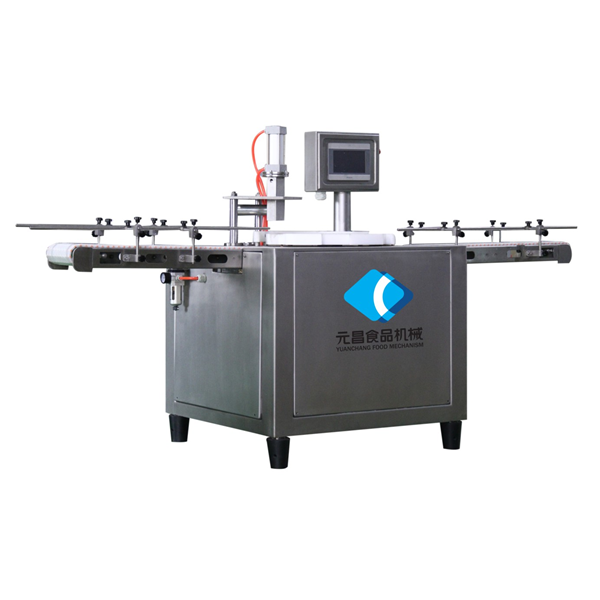
In many meat processing plants, filling machines are used together with other equipment such as twisting machines, clipping machines, bowl cutters, and meat grinders to create a fully integrated production line.
As the food industry continues to evolve, manufacturers are investing in more advanced inneal lìonadh fèin-ghluasadach, vacuum filling machine, agus innealan lìonadh fèin-ghluasadach to keep up with market demand.
Filling technology plays a vital role in the modern meat processing industry. From basic filling machine systems to advanced auto filling machine solutions and high-performance vacuum sausage stuffer machines, manufacturers now have access to equipment that significantly improves productivity and product consistency.
By integrating advanced filling equipment into their production lines, meat processors can achieve higher efficiency, better product quality, and improved hygiene standards. Modern vacuum filling machines allow companies to produce a wide range of meat products with consistent weight, texture, and appearance.
As global demand for processed meat products continues to grow, investing in reliable filling technology has become essential for meat processors seeking to remain competitive in today’s food manufacturing industry.
Hebei Yuanchang Food Mechanism & Technology Co., Ltd specializes in the development and manufacturing of vacuum filling machines, sausage stuffing machines, bowl cutters, and other meat processing equipment for global food processing companies.
-
The Role of Smoke House Technology in Modern Meat Processing IndustryNaidheachdanApr.08,2026
-
The Role of Frozen Meat Slicing Machines in Modern Meat Processing IndustryNaidheachdanApr.08,2026
-
The Importance of Meat Dicing and Cutting Machines in Modern Meat ProcessingNaidheachdanApr.08,2026
-
The Essential Role of Meat Grinding Technology in Modern Meat Processing IndustryNaidheachdanApr.08,2026
-
Advancements in Meat Processing Equipment: The Role of Vacuum Stuffers and Filling MachinesNaidheachdanApr.08,2026
-
Vacuum Bowl Cutter ZKZB-125-Hebei Yuanchang|Vacuum Processing&Stainless Steel ConstructionNaidheachdanMar.16,2026