

- Afrikaans
- Albanian
- Amharic
- Arabic
- Armenian
- Azerbaijani
- Basque
- Belarusian
- Bengali
- Bosnian
- Bulgarian
- Catalan
- Cebuano
- chinese_simplified
- chinese_traditional
- Corsican
- Croatian
- Czech
- Danish
- Dutch
- English
- Esperanto
- Estonian
- Finnish
- French
- Frisian
- Galician
- Georgian
- German
- Greek
- Gujarati
- haitian_creole
- hausa
- hawaiian
- Hebrew
- Hindi
- Miao
- Hungarian
- Icelandic
- igbo
- Indonesian
- irish
- Italian
- Japanese
- Javanese
- Kannada
- kazakh
- Khmer
- Rwandese
- Korean
- Kurdish
- Kyrgyz
- Lao
- Latin
- Latvian
- Lithuanian
- Luxembourgish
- Macedonian
- Malgashi
- Malay
- Malayalam
- Maltese
- Maori
- Marathi
- Mongolian
- Myanmar
- Nepali
- Norwegian
- Norwegian
- Occitan
- Pashto
- Persian
- Polish
- Portuguese
- Punjabi
- Romanian
- Russian
- Samoan
- scottish-gaelic
- Serbian
- Sesotho
- Shona
- Sindhi
- Sinhala
- Slovak
- Slovenian
- Somali
- Spanish
- Sundanese
- Swahili
- Swedish
- Tagalog
- Tajik
- Tamil
- Tatar
- Telugu
- Thai
- Turkish
- Turkmen
- Ukrainian
- Urdu
- Uighur
- Uzbek
- Vietnamese
- Welsh
- Bantu
- Yiddish
- Yoruba
- Zulu

Sausage Equipment and Meat Processing Machinery: Essential Tools for Modern Meat Processing
The global meat industry has evolved significantly over the past few decades. Advances in technology have transformed traditional butchering and sausage-making practices into highly efficient industrial processes. At the center of this transformation are sausage equipment eta meat processing machinery, which allow producers to improve productivity, maintain consistent product quality, and ensure food safety standards.
Whether in small artisanal butcher shops or large-scale industrial plants, these machines play a crucial role in turning raw meat into a wide variety of processed meat products such as sausages, hot dogs, salami, and cured meats. This article explores how sausage equipment eta meat processing machinery support modern meat processing operations, the types of machines commonly used, and the advantages they bring to the food industry.
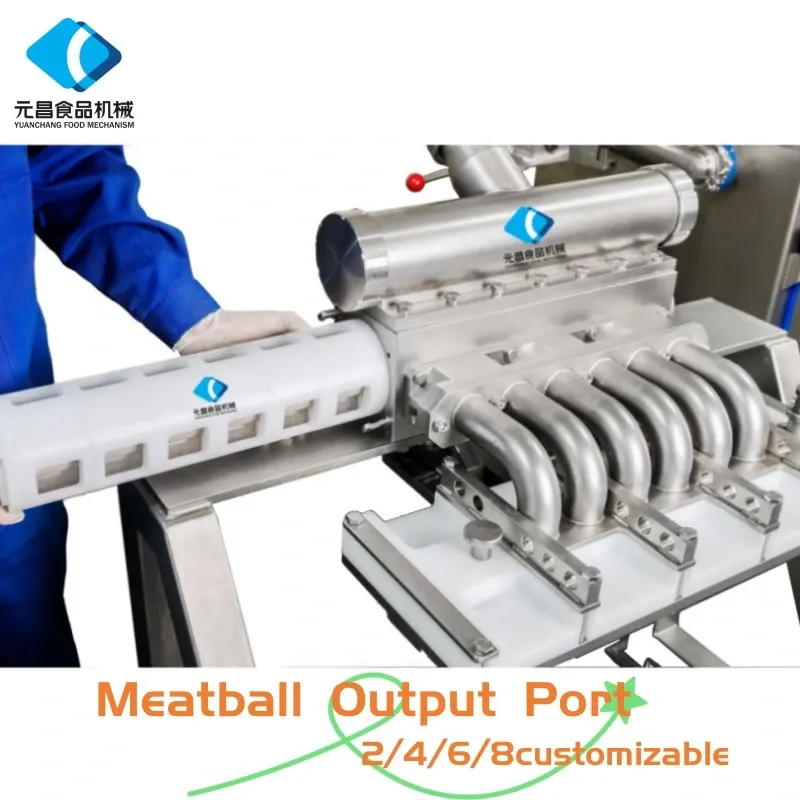
The Role of Sausage Equipment in Modern Meat Processing
Sausage production has a long history, dating back thousands of years when early civilizations preserved meat by mixing it with salt and spices and stuffing it into natural casings. While the concept remains the same today, modern production relies heavily on advanced sausage equipment to improve efficiency and ensure uniform results.
One of the most important machines in sausage production is the meat grinder. The grinder breaks down raw meat into smaller particles, creating the proper texture required for different sausage styles. Industrial grinders are designed to handle large volumes of meat quickly while maintaining consistent particle size.
Another key piece of sausage equipment is the bowl cutter or meat cutter. This machine finely chops meat and mixes it with fat, water, seasoning, and additives. The high-speed rotating blades ensure a uniform mixture, which is essential for the final texture and flavor of the sausage product.
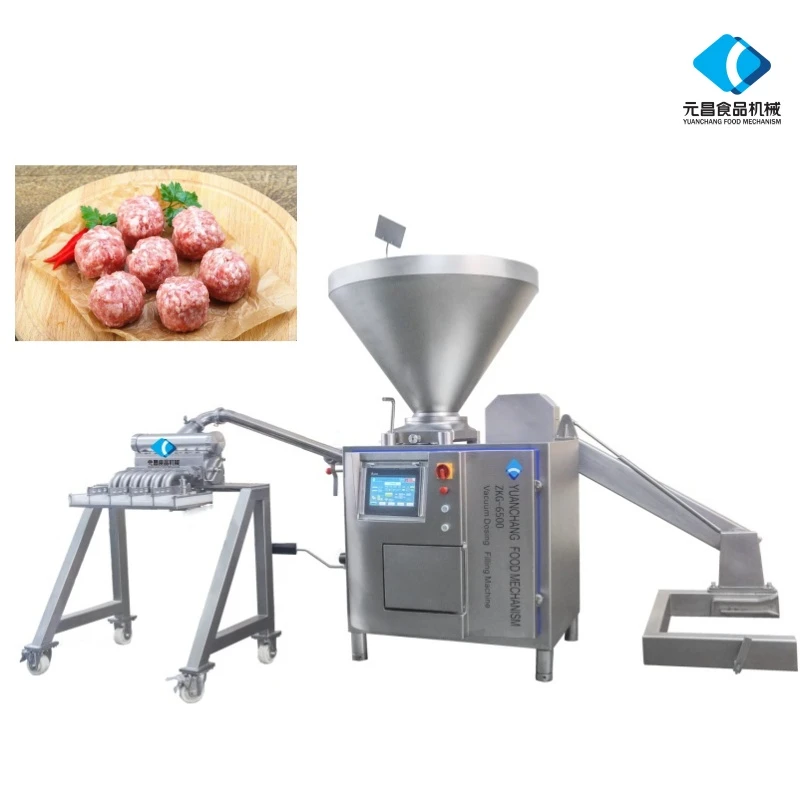
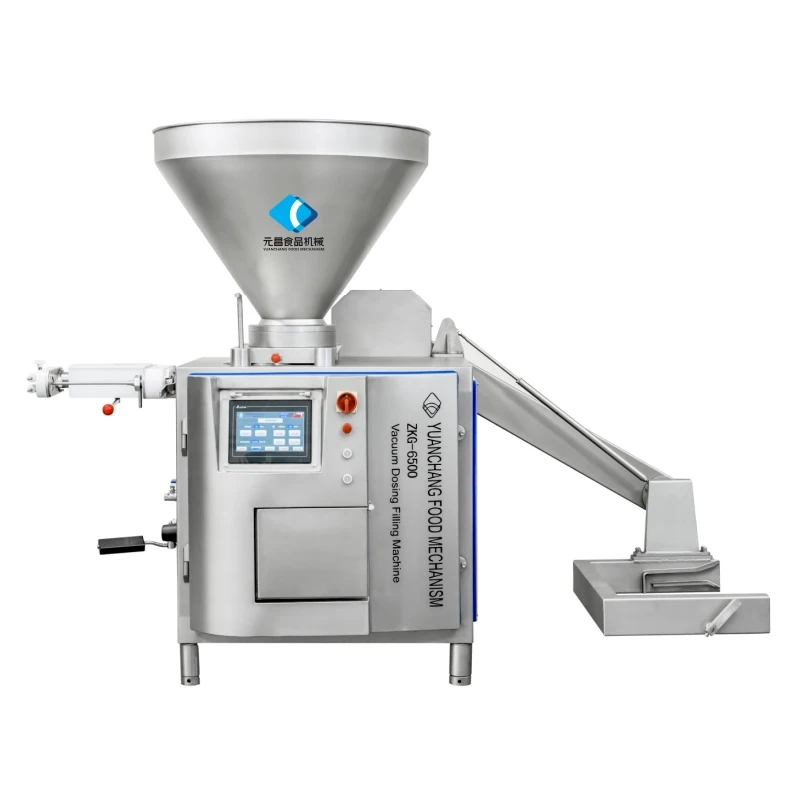
Stuffing machines are also essential in sausage production. These machines fill casings with the prepared meat mixture. Modern sausage stuffers can be manual, hydraulic, or vacuum-powered, depending on the scale of production. Vacuum stuffers are particularly popular in industrial environments because they reduce air pockets, resulting in a more consistent and visually appealing product.
Linking and twisting machines are another form of sausage equipment used to create individual sausage portions. These machines automate the process of dividing long sausage casings into evenly sized links, improving production speed and consistency.
In addition, smokehouses and cooking systems are used to cook, smoke, or cure sausages after stuffing. These systems allow producers to control temperature, humidity, and smoke levels precisely, ensuring high-quality finished products.
By integrating advanced sausage equipment into the production line, meat processors can significantly increase output while maintaining consistent quality and hygiene standards.
Key Types of Meat Processing Machinery Used in the Industry
In addition to specialized sausage production tools, a wide range of meat processing machinery is used throughout the meat processing chain. These machines are designed to handle various stages of production, from raw meat preparation to packaging.
One of the most widely used types of meat processing machinery is the meat slicer. Slicing machines are essential for producing uniform slices of deli meats, bacon, ham, and other processed products. Precision slicing ensures consistent thickness and improves product presentation.
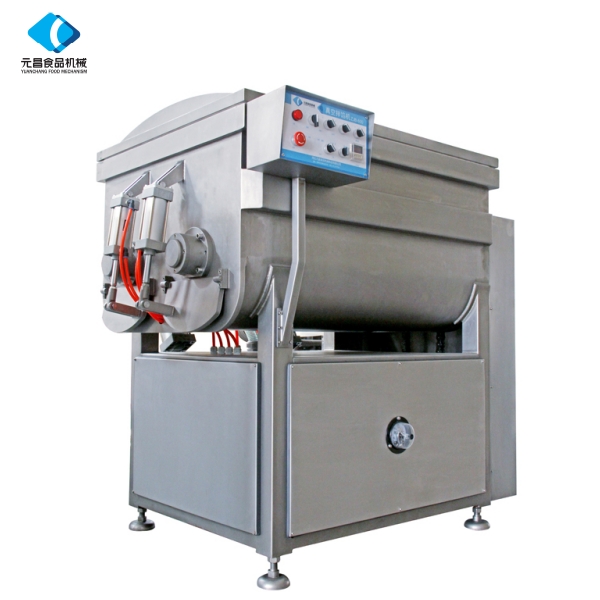
Another important machine is the meat mixer. Mixers combine ground meat with spices, curing salts, and other ingredients. Proper mixing is critical to ensure flavor distribution and maintain product consistency. Industrial mixers often feature programmable settings to control mixing time and speed.
Meat tumblers and massagers are also important forms of meat processing machinery. These machines are used primarily in marinated or cured meat products. By tumbling meat under vacuum conditions, processors can improve marinade absorption and enhance tenderness.
Dicing machines are used to cut meat into cubes or strips for products such as kebabs, stir-fry meats, or prepared meal ingredients. These machines improve production efficiency and ensure uniform cutting results.
Additionally, automated portioning systems have become increasingly popular in large-scale facilities. These systems weigh and portion meat products accurately, helping companies reduce waste and maintain strict product specifications.
Packaging equipment is another vital category of meat processing machinery. Vacuum packaging machines and modified atmosphere packaging systems extend the shelf life of meat products while preserving freshness and appearance.
Overall, modern meat processing machinery provides the tools necessary for efficient production, consistent product quality, and compliance with strict food safety regulations.
Benefits of Using Advanced Sausage Equipment and Meat Processing Machinery
The use of advanced sausage equipment eta meat processing machinery offers numerous advantages for meat processing businesses. These benefits extend beyond productivity and directly impact product quality, operational efficiency, and food safety.
One of the most significant advantages is increased production efficiency. Automated machines allow manufacturers to process large quantities of meat in a shorter amount of time compared to manual labor. This increased efficiency helps companies meet growing consumer demand for processed meat products.
Consistency is another important benefit. With modern sausage equipment, producers can control grinding size, mixing ratios, and stuffing pressure precisely. This ensures that every batch of sausage meets the same quality standards, which is essential for maintaining brand reputation.
Improved hygiene and food safety are also major benefits. Many types of meat processing machinery are designed with stainless steel construction and easy-to-clean components. These features help prevent contamination and make it easier for companies to comply with food safety regulations such as HACCP and other international standards.
Labor savings are another important advantage. Automated equipment reduces the need for manual handling of meat products, which lowers labor costs and minimizes the risk of worker injuries. Modern machines often include user-friendly interfaces and programmable controls, making them easy to operate even with minimal training.
Additionally, advanced sausage equipment eta meat processing machinery help reduce product waste. Precision cutting, accurate portioning, and efficient mixing all contribute to better raw material utilization. This is especially important in the meat industry, where raw materials represent a significant portion of production costs.
Finally, modern machinery supports product innovation. With flexible equipment systems, meat processors can easily develop new sausage varieties, flavored meats, or ready-to-cook products to meet changing consumer preferences.
The meat processing industry relies heavily on advanced technology to meet modern production demands. Sausage equipment eta meat processing machinery have become essential components of efficient, safe, and high-quality meat production systems.
From grinding and mixing to stuffing, slicing, and packaging, these machines streamline every stage of the meat processing workflow. By investing in modern sausage equipment and reliable meat processing machinery, manufacturers can improve productivity, ensure consistent product quality, maintain strict hygiene standards, and remain competitive in the global food market.
As consumer demand for processed meat products continues to grow, the role of advanced equipment in meat processing will only become more important. Companies that adopt innovative machinery and automated solutions will be better positioned to succeed in the rapidly evolving meat industry.
-
The Role of Smoke House Technology in Modern Meat Processing IndustryBerriakApr.08,2026
-
The Role of Frozen Meat Slicing Machines in Modern Meat Processing IndustryBerriakApr.08,2026
-
The Importance of Meat Dicing and Cutting Machines in Modern Meat ProcessingBerriakApr.08,2026
-
The Essential Role of Meat Grinding Technology in Modern Meat Processing IndustryBerriakApr.08,2026
-
Advancements in Meat Processing Equipment: The Role of Vacuum Stuffers and Filling MachinesBerriakApr.08,2026
-
Vacuum Bowl Cutter ZKZB-125-Hebei Yuanchang|Vacuum Processing&Stainless Steel ConstructionBerriakMar.16,2026